

 Ephesus
 Archaeological Museum
In Selcuk, the Ephesus Archaeological Museum displays what was found at Ephesus: two well-known Artemis statues, carved ivory friezes and finds from the gladiators' cemetery. Opening hours are 08:30-17:30 daily, and foreign visitors pay about €10 in 2026.
Plenty of people tour the ruins of Ephesus and never go to the museum. They miss a lot: the paintings, statues and small objects that once stood in those streets now sit in a plain building in central Selcuk, some three kilometres from the site. The Ephesus Archaeological Museum needs about an hour, is far cheaper than the ruins, and helps you picture everything you saw there.
Quick facts
| Item | Details |
|---|---|
| Opening hours | Daily, 08:30-17:30, with last tickets at 17:00 (checked October 2026) |
| Closed | No closing day |
| Ticket | Foreign visitors pay about €10 (2026); confirm on the official site before your visit |
| Time needed | 1-1.5 hours |
| Location | Centre of Selcuk, roughly 3 km from the ancient site |
| Good to know | Nearly all on a single level, with air conditioning |
The collection and its building
Selcuk has held finds from Ephesus from the early 20th century onward, when the Turkish authorities started gathering objects in the area. The present building dates from the 1960s; in the 2010s it was renovated and given a new layout. Rooms follow themes, not chronology: the cemetery, houses, the Temple of Artemis, coins and treasures, and the emperor cult.
Not every famous Ephesus piece is on show here. Excavators in the 19th and early 20th centuries took many to London and Vienna, before Turkish law stopped antiquities from leaving the country. Even so, the Selcuk collection is among the finest groups of Roman sculpture anywhere in Turkey.
Highlights
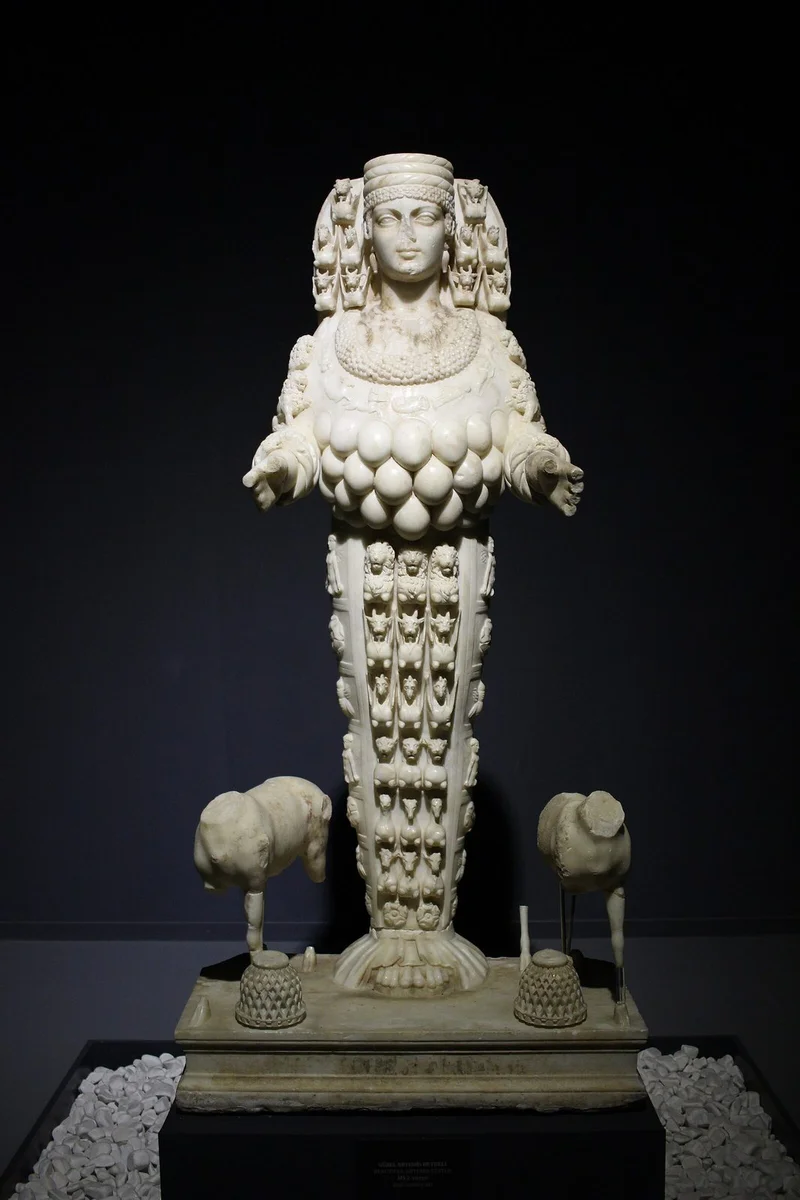
- The Artemis statues. Two Artemis of Ephesus figures in marble, with egg-shaped ornaments in rows over their chests, usually known as the Great Artemis and the Beautiful Artemis. Nothing in the museum matters more.
- The ivory frieze. Fine panels of carved ivory from a furniture piece discovered in the Terrace Houses; they show an emperor among soldiers and captives.
- Terrace House finds. Everyday household items, small bronze pieces and a Socrates wall painting.
- The gladiators' room. Objects from a gladiator cemetery found close to Ephesus, including tombstones and details of what the fighters ate and the wounds they suffered.
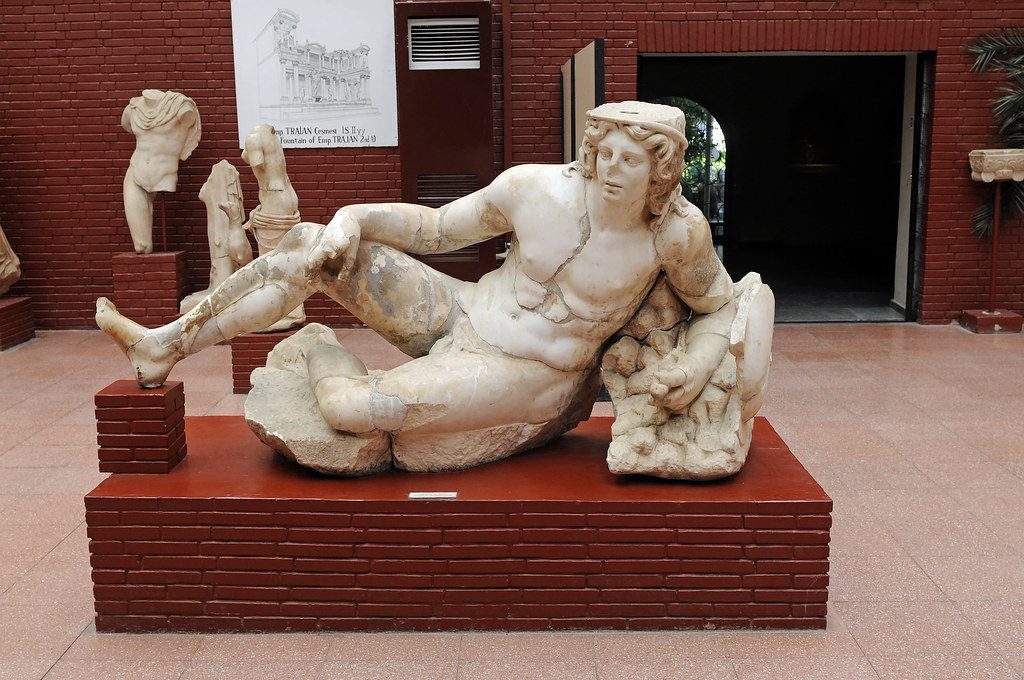
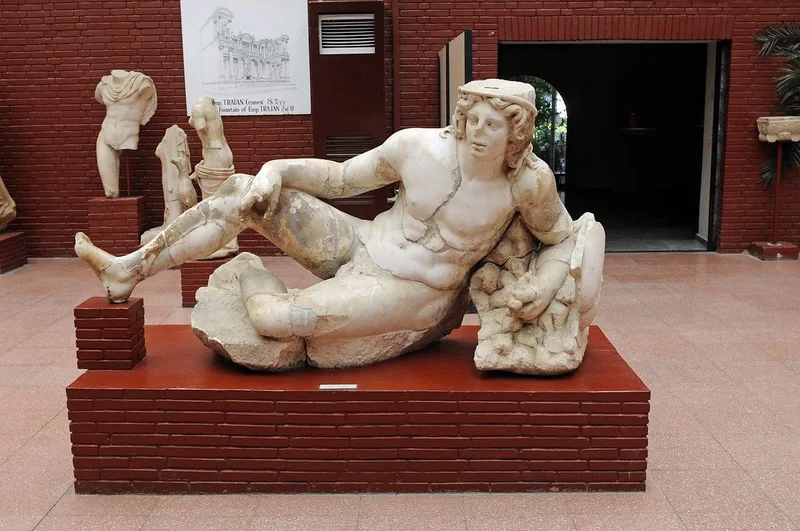
- The imperial cult hall. Giant pieces of an emperor's statue, plus heads of Roman rulers and their relatives, carved as portraits.
An hour in the museum
Begin with the Terrace House finds; the small objects fill in the homes you just walked through. Move on to the jewellery and coins, then to the cemetery room and its gladiator material. Save the Artemis hall for the end: it is the main attraction and has room to sit down. Whichever way you go, finish in the imperial cult hall, among its huge statue fragments.
Should you go?
Yes, if you are already in Selcuk and can spare an hour. It is compact and straightforward, and the labels are clear, in English and Turkish. Travellers who are very short of time can skip it, and cruise passengers rarely fit it in. After the exposed site on a hot afternoon, it offers a quiet, cool rest.
Best time to visit
Aim for late afternoon: tour the ruins while the morning is still cool, eat lunch in Selcuk, and visit the museum afterwards. Groups are smaller here than at the ruins, and the building seldom feels busy. There is no closing day.
The museum does not appear by name on any of our tours, but it fits easily into private days. Our private Ephesus highlights tour with skip-the-line entry spends six to eight hours with an expert guide at the House of the Virgin Mary and the ancient city, from US$300; ask the guide to add a Selcuk stop. For an evening outing, the private night tour of Ephesus with transfers visits the lit ruins and the Ephesus Experience Museum, from US$250.
Nearby
Other Selcuk sights are a few minutes on foot from the museum: the Isa Bey Mosque of 1375, the Basilica of St John on Ayasuluk Hill, and the one column still standing at the Temple of Artemis. Visit them together on an afternoon once you have seen the ruins.
Tips
- Taking photos without flash is generally permitted.
- In the shop you will find quality replicas and books about Ephesus.
- Our page on the ancient city of Ephesus is worth reading beforehand.
- On Saturdays, a market near the museum in Selcuk is the place for fresh local food.
Frequently Asked Questions
Where can I find the Ephesus Museum?
In central Selcuk, roughly three kilometres from the main gate of the Ephesus archaeological site.
What does a ticket to the Ephesus Museum cost?
Foreign visitors pay about €10 in 2026. You need a ticket separate from the one for the Ephesus site.
When is the Ephesus Museum open?
Every day from 08:30 to 17:30; the ticket office shuts at 17:00, as the official museum website listed it in October 2026.
Which object in the Ephesus Museum is the most famous?
Visitors know it best for the marble Artemis of Ephesus statues and their egg-shaped ornaments.
Are the Ephesus Museum and the Ephesus Experience Museum the same place?
No. The Archaeological Museum in Selcuk has the real finds; the Experience Museum is a more recent digital attraction located at the ancient site.