

 Gallipoli
 Peninsula Historical Site (Gallipoli)
The Gallipoli Peninsula Historical Site protects the battlefields of the 1915-1916 First World War campaign on the European side of the Dardanelles. Dozens of cemeteries and memorials are spread between Anzac Cove and Cape Helles. Entry to the battlefields costs nothing, and a guide adds a great deal.
Tours that visit Gallipoli Peninsula Historical Site
Gallipoli Private Tour from Istanbul: Full Day with Guide & Van
Travel privately from Istanbul for a full day at Gallipoli, the First World War battlefields, with stops at Lone Pine, Anzac Cove, the Turkish Memorial and Chunuk Bair.
Gallipoli & Troy Tour from Istanbul: 2 Days Private with Guide & Van
Two private days from Istanbul: the First World War battlefields and memorials at Gallipoli, followed by the ruins of legendary Troy.
Today the Gallipoli Peninsula is a place of farms, pine woods and summer bathing beaches. Back in 1915 it ranked among the deadliest fronts of the First World War. Ottoman troops held back an Allied invasion here for eight and a half months. That force included British, French, Australian, New Zealand, Indian and other soldiers. The entire peninsula now has protected status as a historical site. It holds dozens of cemeteries and memorials, and visiting them costs nothing.
Quick facts
| Topic | Information |
|---|---|
| Opening hours | Battlefields and cemeteries: every day during daylight. Kabatepe's Canakkale Epic Presentation Center: 09:00-17:00, with the ticket desk shutting at 16:15 (as of October 2026, muze.gov.tr) |
| Closed | Tuesdays at the Kabatepe centre |
| Ticket | No charge for the battlefields. The Kabatepe centre sells tickets for its film and exhibition; no official price for foreign visitors is published, so ask when you arrive |
| Time needed | A full day for the key Anzac and Turkish sites; two days if you want Cape Helles as well |
| Location | Gallipoli (Gelibolu) Peninsula, facing Canakkale across the Dardanelles, about 300 km away from Istanbul |
| Clothing | Dress with respect at the cemeteries |
Background
In early 1915 British and French warships tried to push through the Dardanelles. The plan was to reach Istanbul and force the Ottoman Empire to leave the war. Mines and coastal guns halted the fleet on 18 March, and Turkey marks that date each year. On 25 April Allied soldiers came ashore at two points: Cape Helles, at the southern tip, and Ari Burnu on the west coast, which soon took the name Anzac Cove.
Months of trench fighting followed on steep ridges, with heat, sickness and shelling that never let up. Mustafa Kemal, then a young Ottoman officer and later Ataturk, founder of the Turkish Republic, built his reputation here by keeping hold of the heights at Chunuk Bair. The Allies could not break through. They pulled out between December 1915 and January 1916. More than 100,000 men from both sides were killed, and far more were wounded. In Turkey the win is a central part of the national story. Australia and New Zealand remember their dead every 25 April, which they call Anzac Day and keep as a national day of remembrance.
Sites to visit
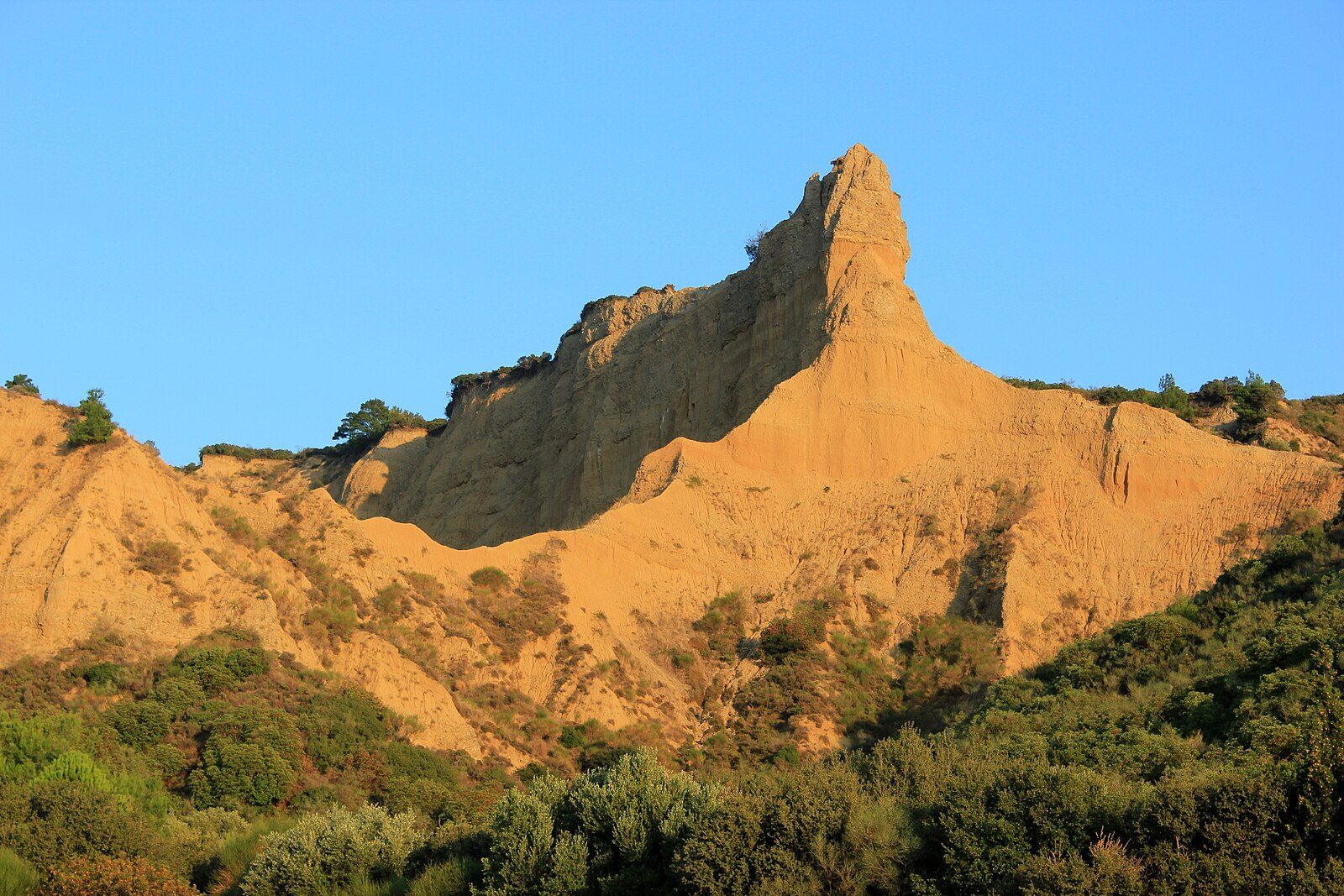
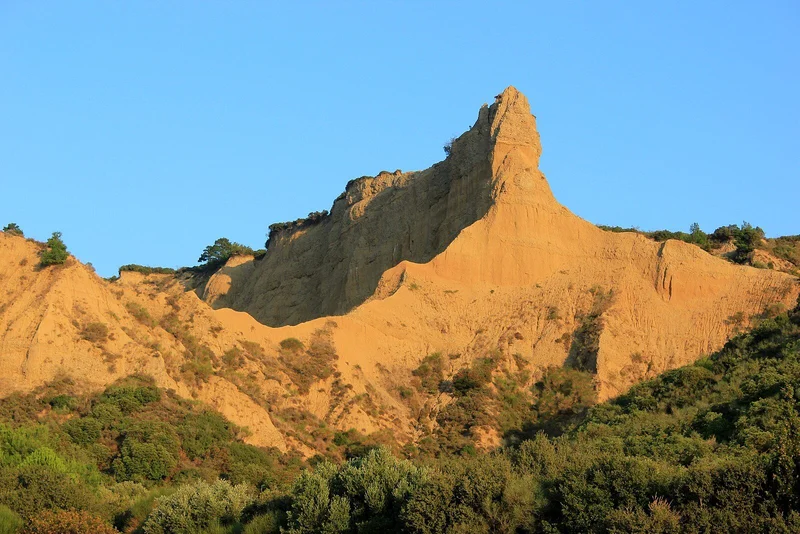
- Ari Burnu and Anzac Cove. The thin strip of beach where Australian and New Zealand troops came ashore. The Sphinx, a weathered ridge, rises behind the beach, and a small cemetery sits by the water.
- Lone Pine. Australia's principal memorial and cemetery, built where a fierce battle was fought in August 1915.
- Chunuk Bair. High ground holding New Zealand's memorial and a Mustafa Kemal statue, with views over the peninsula on either side.
- 57th Regiment Memorial. It honours the Ottoman regiment that fought nearly to the last man while the landings were only days old.
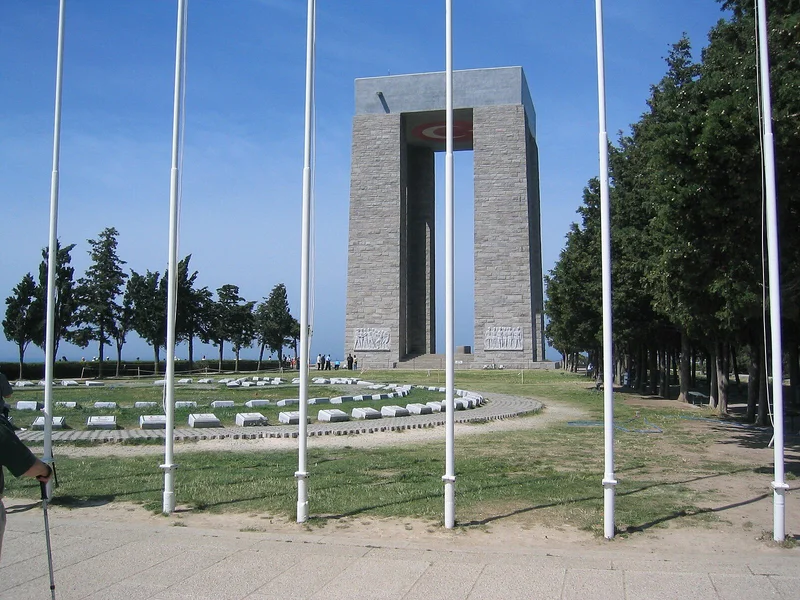
- Canakkale Martyrs Memorial. An enormous monument on four legs over Morto Bay, close to the southern tip, honouring Turkey's dead.
- Cape Helles. At the very end of the peninsula stands the British memorial obelisk, looking out over the entrance to the Dardanelles.
- Kabatepe. A modern presentation centre and museum where films and displays explain the campaign.
Anzac Day at dawn
A dawn service takes place at Anzac Cove every 25 April, and later services follow at Lone Pine and at Chunuk Bair. Australians and New Zealanders come in their thousands. Entry is controlled and security is tight; in recent years people have had to register in advance through the official channels. Many stay on the site overnight. If you want to go, sort out transport and permits months in advance.
When to go
Spring and autumn are mild, with clear views. In summer the heat is strong and the ridges offer little shade. The dates around 18 March and 25 April bring big crowds for the Turkish and Anzac commemorations. In winter the days are short, and wind and rain are common.
Our private day trip from Istanbul visits the Turkish memorials, Anzac Cove, Lone Pine and Chunuk Bair, with pick-up from your Istanbul hotel, from US$405. The two-day private trip that adds Troy also covers the ancient city's ruins, from US$235. To carry on south along the Aegean, choose the three-day private route via Troy and Pergamon to Ephesus.
Getting there
The drive from Istanbul takes roughly four to five hours. You cross the Dardanelles either on the 1915 Canakkale Bridge, open since 2022, or by ferry from Canakkale to Eceabat or Kilitbahir. Public transport around the peninsula is minimal, so you need a car, a tour or a taxi to move between the sites.
Tips
- Hoping to find a family member's grave? Search the Commonwealth War Graves Commission records before you travel.
- Carry water and food, as shops along the battlefield roads are rare.
- A guide helps you read the landscape. On your own you will find the memorials easily but may miss what happened there.
Read more about the area in our Gallipoli region guide.
Frequently Asked Questions
Do you pay to visit Gallipoli?
No. Entry to the battlefields, cemeteries and memorials is free. Only the film and exhibition at the Kabatepe presentation centre cost money.
How much time should I plan for Gallipoli?
A single full day is enough for the main Turkish memorials and the Anzac area. With two days you can add Cape Helles and the sites in the south.
Is a day trip from Istanbul to Gallipoli possible?
Yes, though the day is long: about 12 to 14 hours in total, with a drive of four to five hours in each direction.
What was the Gallipoli campaign?
In 1915 the Allies tried to take the peninsula so they could open the Dardanelles and push on to Istanbul. Having fought for over eight months, they withdrew in January 1916.
When is Anzac Day held at Gallipoli?
On 25 April each year. It opens with a dawn service on the beach at Anzac Cove, and later services are held at Lone Pine and Chunuk Bair.