

Travel Tips5 November 202610 min read
Best Time to Visit Turkey: Month-by-Month Weather, Crowds and Seas
Month-by-month temperatures for Istanbul, Cappadocia and Antalya, sea temperatures, balloon flying odds, 2026-2027 Ramadan and bayram dates, and the best season for each region.
In this article
- Month-by-month weather in Istanbul, Cappadocia and Antalya
- Spring and autumn: the shoulder seasons
- Summer: beaches yes, ruins early
- Winter: city breaks, snow and low prices
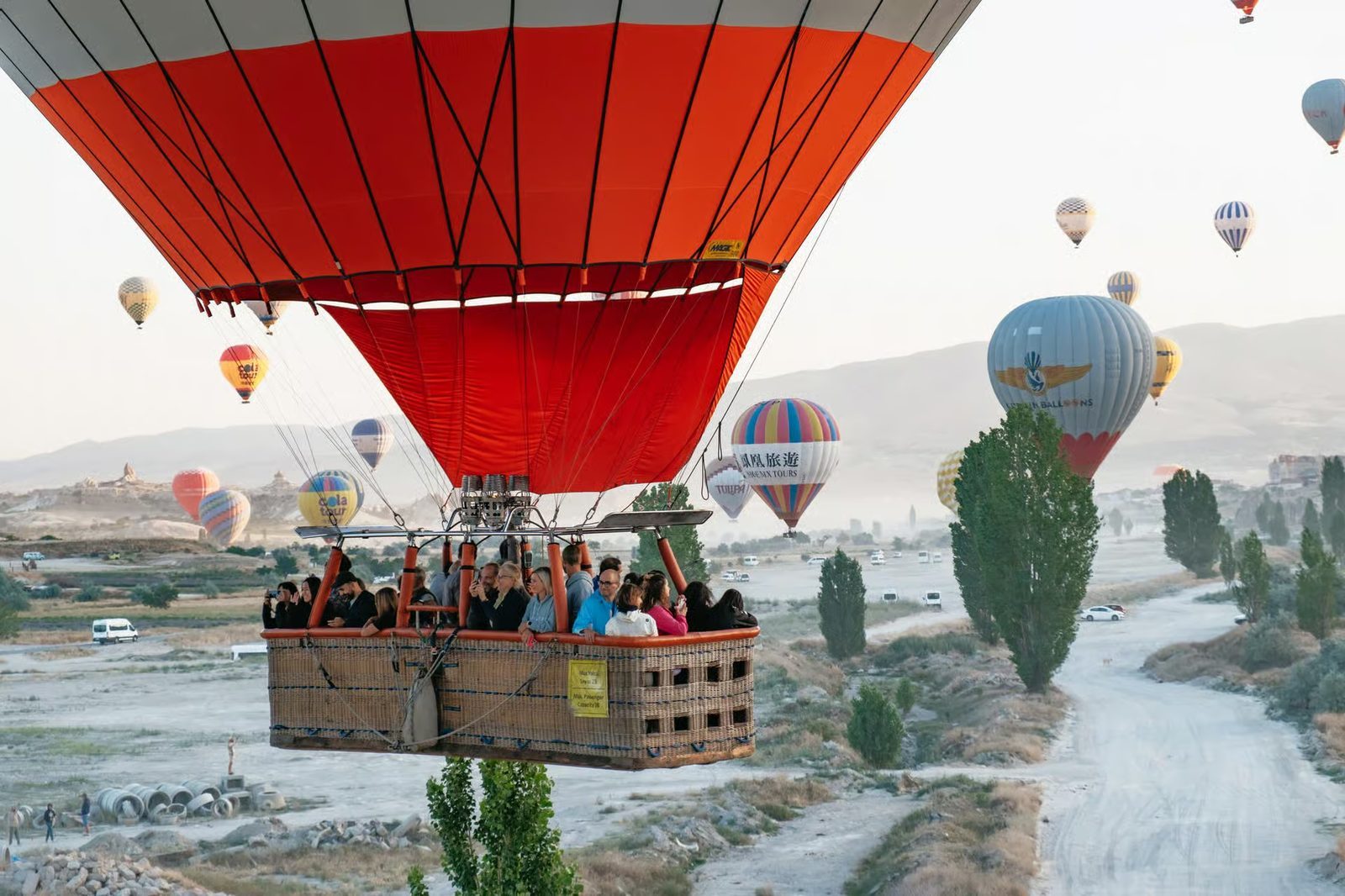
- Balloon season in Cappadocia
- Ramadan, bayrams and public holidays (2026-2027)
- The best time by region
- Tours that cover this
- Frequently Asked Questions
The best time to visit Turkey is mid-April to early June and mid-September to the end of October: Istanbul and Cappadocia have daytime highs of roughly 16-26°C, the big sites are quieter than in July and August, and the Mediterranean is warm enough to swim from late May. If your trip is mainly about the beach, go from June to September instead; if it is about the east, aim for June or September. Our 10-day Istanbul, Cappadocia, Pamukkale and Ephesus tour, from €1,254 per person, is at its best in exactly those spring and autumn windows.
Turkey is a big country with several climates, so "the best month" depends on where you are going. Below is a month-by-month table built from the Turkish State Meteorological Service's long-term averages, followed by advice by region, the 2027 religious holiday dates, and what the weather means for Cappadocia's balloons.
Month-by-month weather in Istanbul, Cappadocia and Antalya
Average daytime high and night-time low in °C, from the Turkish State Meteorological Service (MGM) long-term records for Istanbul, Nevsehir (Cappadocia) and Antalya. Sea temperatures are monthly averages for Antalya.
| Month | Istanbul high / low | Cappadocia high / low | Antalya high / low | Antalya sea | What to expect |
|---|---|---|---|---|---|
| January | 10 / 4 | 4 / -4 | 15 / 6 | 17 | Wettest, quietest month; snow likely in Cappadocia |
| February | 10 / 4 | 6 / -3 | 16 / 6 | 17 | Low prices, short days, balloon cancellations common |
| March | 12 / 6 | 10 / 1 | 18 / 8 | 17 | Mixed weather; Ramadan in 2027 runs into early March |
| April | 17 / 9 | 16 / 5 | 21 / 11 | 18 | Tulips in Istanbul, green valleys in Cappadocia |
| May | 22 / 14 | 21 / 9 | 26 / 15 | 21 | One of the best months everywhere; Kurban Bayrami in 2027 |
| June | 27 / 18 | 25 / 12 | 31 / 20 | 24 | Long days, sea warm, crowds building |
| July | 30 / 21 | 29 / 14 | 34 / 23 | 27 | Peak season; hot on the coast and at Pamukkale and Ephesus |
| August | 30 / 21 | 29 / 14 | 34 / 23 | 28 | Peak season and busiest beaches; warmest sea |
| September | 26 / 18 | 25 / 11 | 31 / 20 | 27 | Excellent: warm sea, cooler sightseeing |
| October | 21 / 14 | 18 / 7 | 27 / 15 | 24 | Very good; first autumn rain in Istanbul late in the month |
| November | 16 / 10 | 12 / 3 | 21 / 11 | 21 | Quiet and mild in the south; cold nights in Cappadocia |
| December | 12 / 7 | 6 / -1 | 17 / 8 | 19 | Rainy on the coast, cold inland; good museum weather |
Two things the averages hide. First, Cappadocia sits at over 1,000 metres, so even in July the nights drop to about 14°C and a balloon pick-up before dawn needs a jacket. Second, Antalya's winter is mild but wet: December and January each average more than 220 mm of rain, more than Istanbul gets in those months.
Spring and autumn: the shoulder seasons
April, May, September and October are the months we recommend most often for a first trip that combines several regions.
- April is green and fresh. Istanbul's tulip displays fill Emirgan Park and the old city's gardens, and Cappadocia's valleys are at their greenest. The sea is still cold (around 18°C in Antalya), so it is a sightseeing month, not a beach month.
- May is close to ideal: Istanbul averages a high of 22°C, Cappadocia 21°C, and by late May the Mediterranean is swimmable. Check the Kurban Bayrami dates below, because domestic travel spikes for a few days.
- September has the warm sea of summer with fewer families on holiday. It is the best month to combine sightseeing with beach days.
- October brings cooler, settled days in Cappadocia (an average high of 18°C) and good walking weather for Ephesus and Pamukkale. Late October can bring the first heavy rain to Istanbul.
Summer: beaches yes, ruins early
Summer is high season. Turkey received a record 52.78 million foreign visitors in 2025, according to the Ministry of Culture and Tourism, and the coast and the big Istanbul sites carry much of that in July and August.
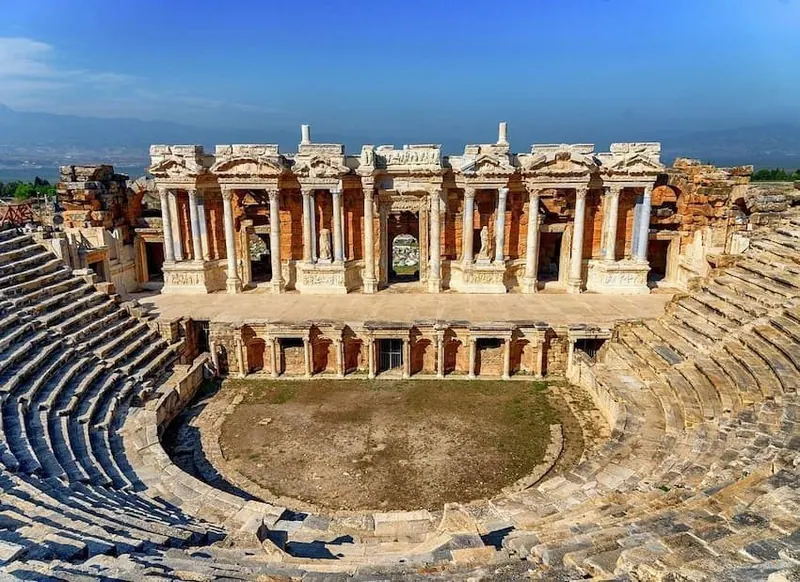
On the coast this is when Turkey is made for: almost no rain (Antalya averages about half a rainy day in July and August) and a sea of 27-28°C. Inland and at the ancient sites, heat is the issue. MGM averages show highs of 34.8°C in Denizli (for Pamukkale) and 33.3°C in Izmir (for Ephesus) in July, and the white travertines reflect the sun. Plan these sites for opening time (Ephesus opens at 08:00) and keep the afternoon for the hotel pool. Istanbul is warm (about 30°C) and humid, with big queues at Hagia Sophia and Topkapi; book a guide and start early.
Winter: city breaks, snow and low prices
From November to March, Turkey is a good choice for travellers who care more about museums and low hotel rates than about sunshine. Istanbul is cool and often rainy (about 16 rainy days in January) but never closes. Cappadocia frequently has snow on the fairy chimneys, which makes for remarkable photos when the balloons do fly. Erciyes, the ski resort near Kayseri, is a day trip from Cappadocia in the snow season, and our Erciyes ski day tour runs from €104.
Two things to plan for. Daylight is short, so a full Cappadocia tour day ends close to sunset. And winter balloon flights are cancelled far more often (see the next section), so give Cappadocia at least three nights.
Balloon season in Cappadocia
Balloons fly all year, but only on mornings when the civil aviation coordination office in Nevsehir clears the weather. Wind, fog, rain and snow all ground them, and the decision is often taken the same morning.
How often do they fly? Hurriyet Daily News reported in July 2026 that the region averages about 220 flying days a year; 2025 had 223, but the first half of 2026 had only 90, with balloons grounded for long stretches over the winter. In February 2025, flights were suspended for 13 days in a row. The calmest, most reliable months tend to be late spring, summer and early autumn, which is also when prices are highest.
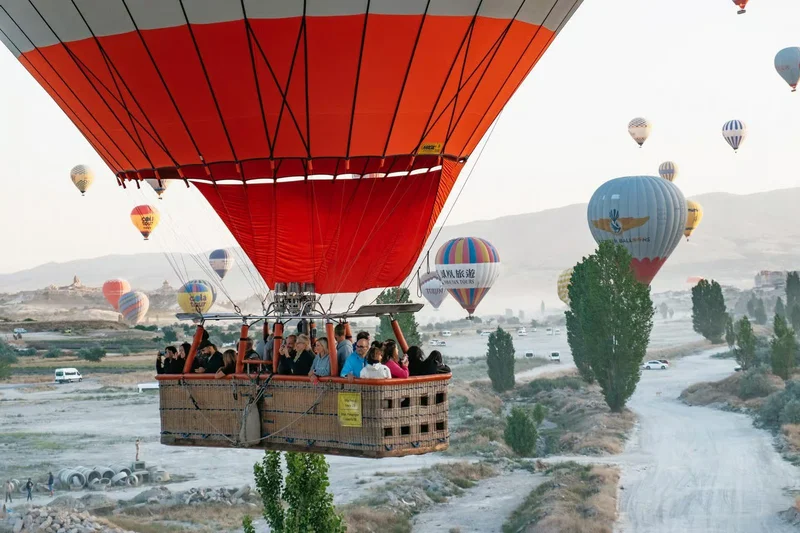
Our advice is the same in every season: book your flight for the first morning you are in Cappadocia, so a cancellation can roll to the next day. A shared sunrise balloon flight with hotel transfers starts from $199; a smaller-basket comfort flight from $275. If you would rather stay on the ground, the sunrise balloon-watching tour is from €24.
Ramadan, bayrams and public holidays (2026-2027)
Dates follow the Presidency of Religious Affairs (Diyanet) calendar.
| Holiday | 2026 | 2027 |
|---|---|---|
| Ramadan | 19 February - 19 March | 8 February - 8 March |
| Ramazan Bayrami (Eid al-Fitr) | 20-22 March | 9-11 March |
| Kurban Bayrami (Eid al-Adha) | 27-30 May | 16-19 May |
Ramadan has little effect on a tourist trip. Restaurants, museums and tours run as normal in Istanbul, Cappadocia and on the coast. Some small local restaurants in conservative towns close at lunchtime, and the streets fill up at sunset when people break the fast.
The two bayrams matter more. Turks travel in large numbers, the government often extends the break to nine days, and domestic flights, coastal hotels and intercity buses book out. On the first day some sites change their hours: during Kurban Bayrami 2026, Topkapi Palace opened at 10:30 while other palaces run by the National Palaces Administration closed for the day.
Fixed public holidays: 1 January, 23 April, 1 May, 19 May, 15 July, 30 August and 29 October. Government offices close; most museums and tours operate, but domestic travel is busier around long weekends.
The best time by region
- Istanbul: April-May and September-October. Summer is hot and the queues are longest; winter is wet but uncrowded.
- Cappadocia: April-June and September-October for walking and the highest chance of a balloon flight. Winter for snow photos, with a backup morning.
- Ephesus and Pamukkale: April-May and late September-October. In July and August go at opening time.
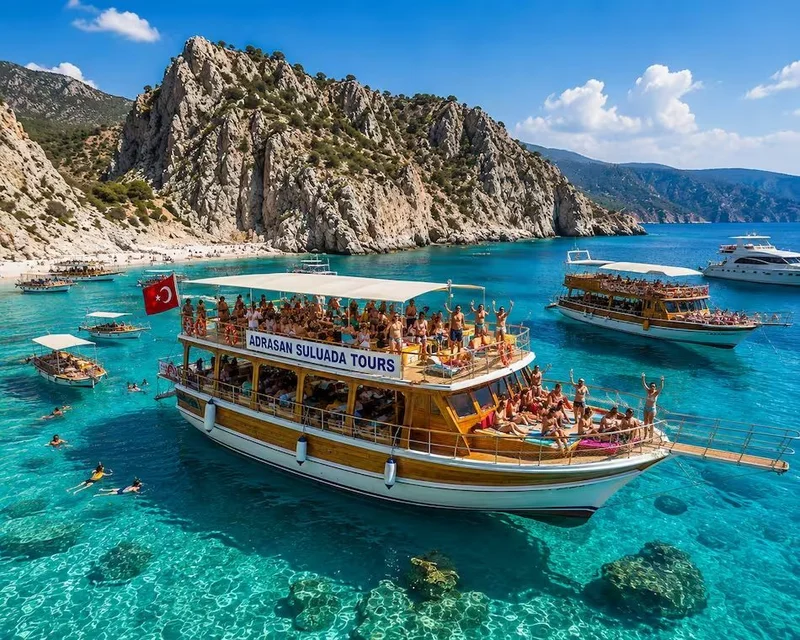
- Antalya and the Mediterranean coast: June to early October for swimming (sea 24-28°C). Boat trips such as the Suluada island tour from Antalya (from $50) run in the warm season.
- Aegean coast and blue cruises: Bodrum and Kusadasi are a little cooler at sea than Antalya (about 24°C at the peak). Gulet cruises along the blue cruise routes generally run from late spring to autumn.
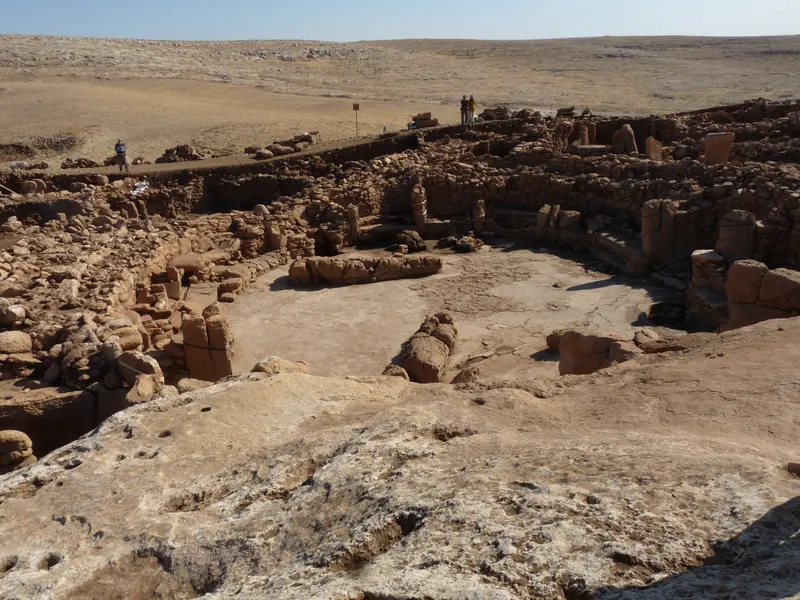
- South-east (Gobeklitepe, Mardin): April-May and October-November. Sanliurfa averages 38.8°C in July.
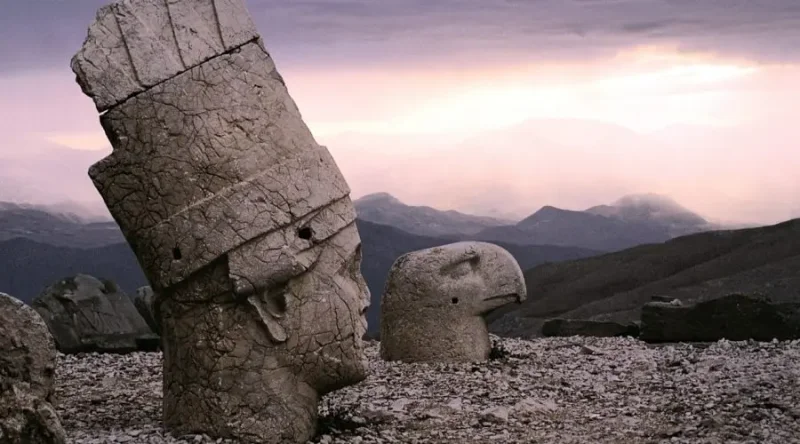
- North-east and Mount Nemrut: June and September. Erzurum's January average high is -3.9°C, and the road to Nemrut's summit is usually closed by snow from late autumn into spring.
- Black Sea: June to September; it is the wettest region of Turkey even in summer. See Sumela Monastery and Uzungol Lake.
Tours that cover this
- Istanbul, Cappadocia, Pamukkale & Ephesus Tour, 10 Days with Flights, from €1,254 per person. Best in spring and autumn.
- Cappadocia Hot Air Balloon Ride: Standard Sunrise Flight & Transfers, from $199 per person.
- Turkey Tour Package with Fethiye Gulet Cruise: 10 Days & Flights, from $3,690 per person, for a summer trip that mixes sightseeing and the sea.
- Eastern Turkey Tour: 9 Days from Nemrut to Gobeklitepe & Sumela, from $2,980 per person, ideally in June or September.
More options are in our Cappadocia tours, Antalya tours and multi-day trips.
Frequently Asked Questions
What is the best month to visit Turkey?
May and September are the best all-round months. In May, Istanbul averages a high of 22°C and Cappadocia 21°C, and the south coast starts to be warm enough to swim. September keeps the summer sea (around 27°C at Antalya) with fewer crowds and cooler sightseeing days. If you can travel only once, these two months suit a multi-region trip best.
What is the cheapest time to go to Turkey?
November to March, excluding the Christmas and New Year period, is the cheapest time. Hotels in Istanbul and Cappadocia lower their rates and the coast is very quiet. The trade-off is shorter days, more rain in Istanbul and on the coast, cold nights in Cappadocia, and a higher chance that your balloon flight is cancelled by wind or fog.
When is the best time for hot air balloons in Cappadocia?
Late spring, summer and early autumn give the most flying days, because the air is calmer. Balloons fly all year, but winter brings long cancellations; in the first half of 2026 they flew on only 90 days. Whatever the month, book the flight for your first morning in Cappadocia, so a cancelled flight can move to the next day.
Is it too hot to visit Turkey in July and August?
On the beach, no; at inland ruins, it can be. MGM averages show July highs of about 35°C at Denizli near Pamukkale, 33°C at Izmir near Ephesus, and nearly 39°C in Sanliurfa. Visit open-air sites at opening time and rest in the afternoon. Istanbul is more bearable at about 30°C, though humid.
Is it OK to visit Turkey during Ramadan?
Yes. In Istanbul, Cappadocia and the resort areas, restaurants, bars, museums and tours run normally during Ramadan, and you are not expected to fast. Some small eateries in conservative towns close at lunchtime. Ramadan 2027 runs from 8 February to 8 March. The holiday right after it, 9-11 March 2027, is busier for domestic travel than Ramadan itself.
When can you swim in the sea in Turkey?
On the Mediterranean coast around Antalya, the sea averages 21°C in May and stays at 24°C or more from June to October, peaking around 28°C in August. The Aegean around Bodrum and Kusadasi is a few degrees cooler. Istanbul's sea only reaches the mid-20s in July and August, and most visitors swim on the south coast instead.
Sources: Turkish State Meteorological Service (mgm.gov.tr, long-term climate statistics for Istanbul, Nevsehir, Antalya, Izmir, Denizli, Sanliurfa and Erzurum), Climates to Travel (sea temperatures), Republic of Türkiye Ministry of Culture and Tourism (muze.gov.tr; 2025 visitor figures via Daily Sabah), Presidency of Religious Affairs (Diyanet) calendar via Dunya and Milliyet, Hurriyet Daily News (balloon flight statistics, 23 July 2026), Turkiye Today (February 2025 balloon suspension), Fanatik (Kurban Bayrami 2026 opening hours) — checked 5 November 2026. mgm.gov.tr
Written by the Get Turkey Tours team: licensed local guides and trip planners based in Istanbul.
Leave a Comment
Our private tours
Istanbul, Cappadocia, Pamukkale & Ephesus Tour – 10 Days with Flights
Ten days from Istanbul to Cappadocia, Pamukkale and Ephesus and back, with 3 domestic flights, 9 hotel nights, transfers and guided touring days. Daily departures.
Erciyes Ski Day Tour from Cappadocia – Equipment Rental & Lunch
An 8-hour group ski day on Mount Erciyes from Cappadocia, with round-trip transport, ski or snowboard rental, boots, helmet, gloves, goggles and lunch included.
Related articles
 Travel Tips
Karahan Tepe and Göbekli Tepe 2027: One-Day Plan, Tickets, Tours
Can you see Karahan Tepe and Göbekli Tepe in one day? Distances, the shared ticket and its 2027 price, Karahan Tepe's current closure, a day plan from Şanlıurfa and which tours include both.
Read More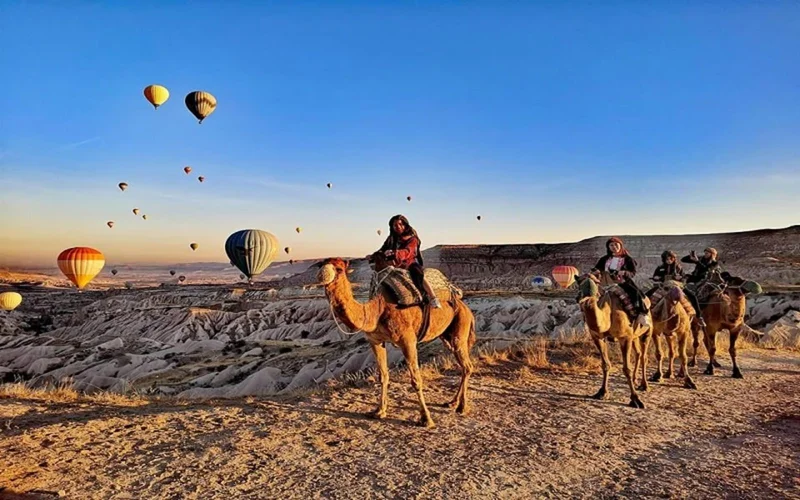 Travel Tips
Cappadocia with Kids: Balloon Age Limit, Family Cave Rooms, 3-Day Plan
The balloon age rule that operators actually publish, which cave rooms sleep a family of four, what children enjoy most and a 3-day family plan with real 2027 prices.
Read More Travel Tips
Dolmabahçe Palace Tickets 2026-2027: Hours, Harem, Photo Rules
Official ticket prices and combined passes, 2027 closing days, what to see in the Selamlık and Harem, the new phone-photo rule, and three ways to pair the palace with a Bosphorus cruise.
Read More