

Travel Tips6 November 202614 min read
Istanbul Street Food Guide: 15 Things to Eat and Where to Find Them
Simit, balık ekmek, midye dolma, kokoreç and 11 more: what each Istanbul street food is, where locals buy it, the best time of day to eat it and how to stay safe.
In this article
- What to eat first: the 15 dishes at a glance
- Breakfast on the go: simit, börek and açma
- Fish by the water: balık ekmek and midye dolma
- Late-night classics: kokoreç, ıslak hamburger and döner
- Kumpir, lahmacun and the rest of the savoury list
- Sweets and desserts: baklava, künefe, lokma and dondurma
- Winter street food: chestnuts, salep and boza
- A street food route by neighbourhood
- How to eat street food safely, and what it costs
- Tours that cover this
- Frequently Asked Questions
Istanbul has about 15 street foods worth planning a day around, and you can taste the core five (simit, balık ekmek, midye dolma, kokoreç and a slice of baklava) in a single afternoon between Eminönü, Karaköy and Kadıköy. This guide covers what each one is, where locals actually buy it, the best time of day to eat it and how to stay on the right side of your stomach. If you would rather have someone order for you, our Istanbul street food tour walks the same streets with a local guide.
What to eat first: the 15 dishes at a glance
If you only have a day or two, use this table to choose. The "best time" column matters more than it looks: midye dolma is a night food, simit is a morning food, and kokoreç tastes best after 10 pm when the grills are at full heat.
| Street food | What it is | Where to try it | Best time |
|---|---|---|---|
| Simit | Sesame-crusted bread ring | Red carts all over the city | Morning, with tea |
| Börek | Flaky pastry with cheese, mince or spinach | Neighbourhood börek shops, Kadıköy | Breakfast |
| Balık ekmek | Grilled fish in bread with onion and salad | Eminönü waterfront, Karaköy | Lunch |
| Midye dolma | Mussels stuffed with spiced rice | Beşiktaş, Kadıköy, Taksim | Evening |
| Kokoreç | Grilled lamb intestines, chopped into bread | Beyoğlu, Kadıköy, Beşiktaş | Late night |
| Islak hamburger | Small "wet" burger in garlic-tomato sauce | Taksim Square | Late night |
| Döner and dürüm | Spit-roasted meat in bread or wrap | Everywhere, best in Beyoğlu | Any time |
| Kumpir | Baked potato mashed with butter and cheese | Ortaköy | Afternoon, evening |
| Lahmacun | Thin dough with spiced minced meat | Kebab shops, Kadıköy, Fatih | Lunch |
| Tantuni | Finely chopped beef from a flat pan, in a wrap | Beyoğlu, Kadıköy | Lunch, late night |
| Çiğ köfte | Spicy bulgur patty in lettuce or wrap (meat-free) | Chain shops everywhere | Snack |
| Kestane and mısır | Roasted chestnuts, grilled or boiled corn | Carts on Istiklal, Eminönü | Autumn and winter |
| Baklava | Layered pastry with pistachio or walnut | Karaköy, Fatih | Afternoon |
| Lokma and künefe | Fried dough balls; hot cheese pastry | Kadıköy, Fatih | Evening |
| Boza and salep | Fermented millet drink; hot milk drink | Vefa, cafés city-wide | Winter evenings |
A good first day: simit at breakfast, balık ekmek for lunch, baklava in the afternoon and midye dolma after dark.
Breakfast on the go: simit, börek and açma
The simit is the city's default breakfast. It is a ring of dough dipped in grape molasses, rolled in sesame and baked until crisp outside and soft inside. You will see them stacked on red carts and on trays carried on vendors' heads near ferry piers. After a price rise in late September 2026, a standard simit costs about 30 lira in Istanbul, which still makes it the cheapest filling thing you can eat here. Locals tear it and eat it with a glass of tea, sometimes with a triangle of processed cheese bought from the same cart.
Next to the simit you will often find açma, a softer buttery ring, and poğaça, small buns filled with cheese or olives.
For a proper sit-down breakfast in under ten minutes, go to a börek shop. Su böreği is the one to look for: sheets of boiled dough layered with white cheese and butter, cut into squares and served warm. Kol böreği is rolled into a long coil and filled with minced meat, potato or spinach. Ask for it with tea or ayran (the salted yoghurt drink). Börek shops open early and often sell out of the best trays by late morning, so this really is a breakfast food.
Fish by the water: balık ekmek and midye dolma
Balık ekmek (fish bread) is the dish most visitors have heard of. At the Eminönü waterfront, next to the Galata Bridge, cooks grill fillets of mackerel on boats and on stalls along the quay and serve them in half a loaf with raw onion, lettuce and a squeeze of lemon. You eat on low stools facing the Golden Horn. The fish is often imported mackerel rather than local catch, so judge it by how freshly it comes off the grill rather than by claims on a sign. Prices at the boats are higher than they were a few years ago, but it remains one of the cheapest seafood meals in the city.
Most people finish with a cup of turşu suyu, the sour, bright-pink pickle juice sold from carts in the same area, with a few pickled vegetables floating on top. It sounds strange and works well with oily fish. Our page on Galata Bridge and Eminönü covers what else to see while you are there.
Midye dolma are mussels stuffed with rice cooked with onion, black pepper, allspice and sometimes currants, served cold with a wedge of lemon. Vendors stand with trays of them in Beşiktaş, Kadıköy and the streets off Istiklal Avenue, mostly in the evening. You eat them standing at the tray: the vendor opens one, squeezes lemon and hands it to you, and keeps going until you say stop. You pay by the piece at the end, so count as you go.
Mussels are also the street food most likely to cause trouble, especially in hot weather. More on that in the safety section below.
Late-night classics: kokoreç, ıslak hamburger and döner
Istanbul's street food scene shifts after 10 pm, when bars around Beyoğlu and Kadıköy empty out and the grills take over.
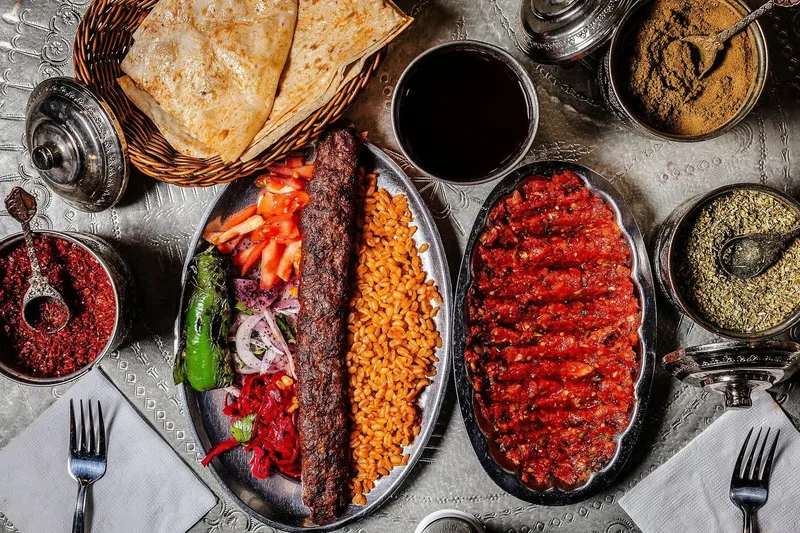
Kokoreç is lamb intestines wrapped around a skewer, roasted over charcoal on a horizontal spit, then chopped with tomatoes, peppers, oregano and chilli flakes and stuffed into bread. You can order a quarter (çeyrek), half (yarım) or full loaf. If offal puts you off, try one bite from a friend's portion before committing.
The ıslak hamburger (wet burger) is a small, soft bun with a thin beef patty, soaked in a garlicky tomato sauce and kept warm in a steamy glass cabinet. The famous counters are on Taksim Square, where Kızılkayalar has sold them for decades and stays open late. They cost little, and most people eat two.
Döner needs no introduction, but the Istanbul version is different from what you get in Berlin or London. Ask for et döner (beef or lamb) or tavuk döner (chicken), then choose between ekmek arası (in bread) and dürüm (wrapped in thin lavash). Good shops slice the meat to order and press the wrap on the grill. Skip places where a cone has been sitting under a lamp with no one queuing.
Kumpir, lahmacun and the rest of the savoury list
Kumpir is Ortaköy's signature. A large baked potato is split, mashed inside its skin with butter and grated kaşar cheese, then loaded with whatever you point at: corn, olives, pickles, sausage, Russian salad, chilli sauce. The stalls stand in a row near the Ortaköy Mosque on the Bosphorus, and a kumpir eaten on the waterfront with the bridge lit up behind is a classic Istanbul evening. One kumpir is a full meal.
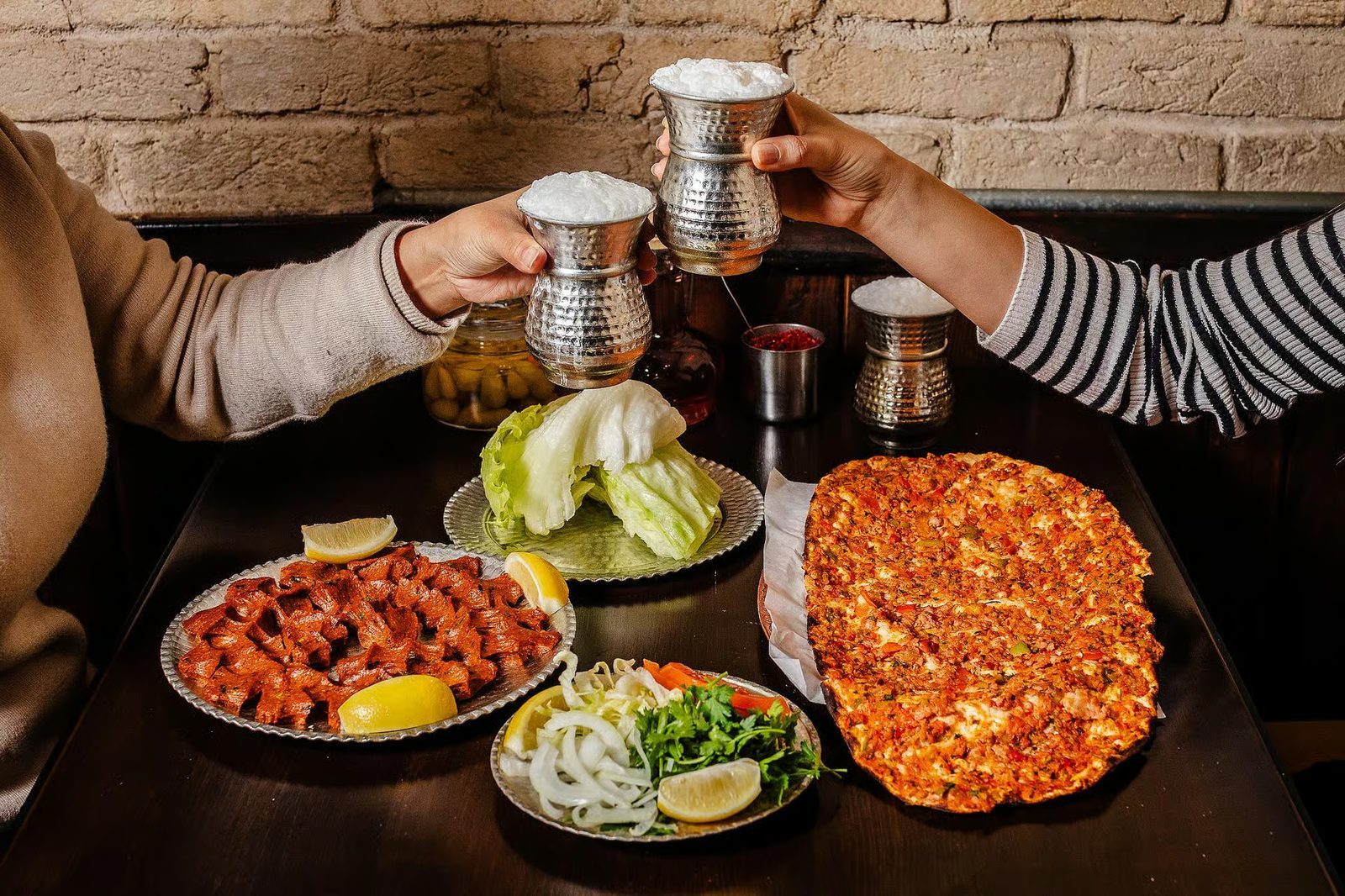
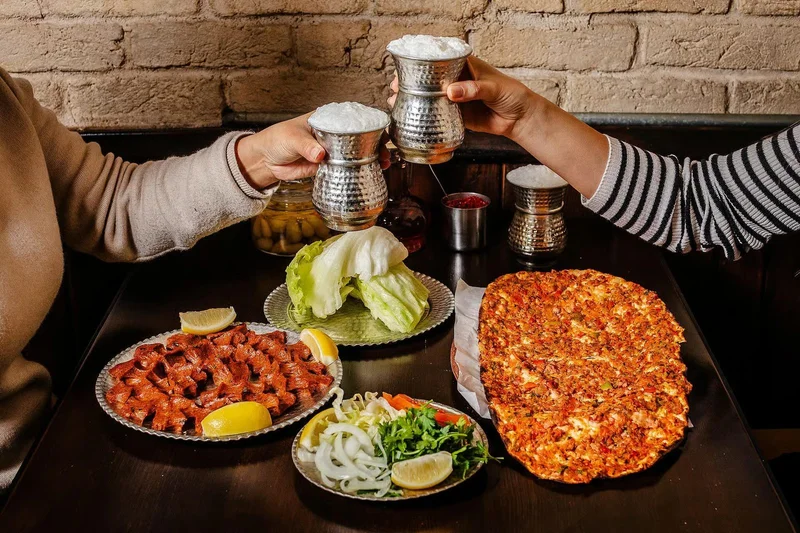
Lahmacun is a thin round of dough spread with minced meat, tomato, onion and pepper, baked fast in a wood or stone oven. Squeeze lemon over it, add parsley and sliced onion, roll it up and eat it with your hands. It is lunch food in kebab shops across the city, and many are good. Order pide (boat-shaped flatbread with cheese, egg or meat) at the same places if you want something more filling.
Tantuni, from the southern city of Mersin, is finely chopped beef cooked on a wide, shallow pan and rolled into lavash: lighter than döner, and often served late.
Çiğ köfte was once made with raw meat. The version sold in shops today is meat-free: fine bulgur kneaded with tomato and pepper paste, onion and spices. It comes as small patties to wrap in lettuce with pomegranate molasses, or rolled in lavash. It is vegan by default, which makes it a useful option for vegetarians. Our Istanbul vegetarian food tour page has more meat-free street options.
Tavuk pilav, buttery rice topped with shredded chicken from glass-sided lunch carts, is one of the safest choices for children.
Sweets and desserts: baklava, künefe, lokma and dondurma
Baklava in Istanbul is a serious business. The most famous address is Karaköy Güllüoğlu, which opened its Karaköy shop in 1949 and describes it as the family's first shop outside Gaziantep. Order by weight or by portion, and try the pistachio (fıstıklı) version first, then the walnut one. Locals often eat baklava with a glass of tea or a cup of Turkish coffee in the middle of the afternoon. Karaköy itself is worth a slow walk afterwards; see things to do in Galata and Karaköy.
Künefe is shredded kadayıf pastry around a layer of unsalted cheese, cooked in a small copper pan until crisp, soaked in syrup and topped with pistachio. It has to be eaten hot, as the cheese stretches when it comes out of the pan. Order it in a dessert shop or a kebab restaurant rather than taking it away.
Lokma are small balls of dough fried until golden and dropped into syrup. You will see lokma stands in Kadıköy and at times outside mosques, where a family hands them out free to mark a loss or a celebration. If someone offers you one, take it.
Dondurma, Turkish ice cream, is thickened with salep (a flour made from orchid roots) and mastic, which makes it chewy and stretchy. The costumed vendors on Istiklal Avenue are fun, but proper dondurma shops serve better ice cream.
Winter street food: chestnuts, salep and boza
You are reading this in November, which is the start of Istanbul's best street-food season for anyone who likes warm things in cold hands.
Kestane kebap (roasted chestnuts) appear on carts from autumn. The vendor scores the shells, roasts them on a flat grill over coals and sells them by the paper cone. You will smell them on Istiklal Avenue and around Eminönü before you see them. Mısır (corn on the cob), either grilled or boiled and salted, is sold from the same kind of cart and is around all year.
Salep is a hot, thick milk drink made with salep flour, sugar and a dusting of cinnamon. It is sold in cafés, on ferries and from some street vendors in winter, and it is very good after an hour of walking in wind off the Bosphorus.
Boza is the oldest of Istanbul's winter drinks: a thick, slightly sour, fermented millet drink served cold with cinnamon and roasted chickpeas (leblebi) on top. The place to try it is Vefa Bozacısı in the Vefa neighbourhood near the Süleymaniye Mosque, which has been serving boza since 1876. Boza is a cold-weather drink, so plan it between autumn and spring. Pair it with a visit to the Süleymaniye Mosque, a ten-minute walk away.
A street food route by neighbourhood
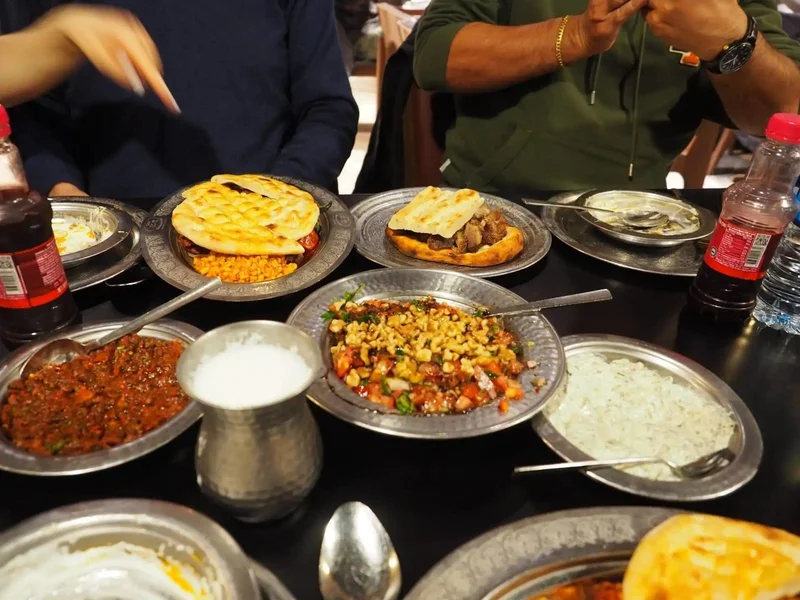
The easiest way to cover the list is to follow the ferry. Each neighbourhood below has a specialty, and the ferry from Eminönü or Karaköy to Kadıköy takes about 20 minutes, so you can fit three areas into one day without any taxis.
| Neighbourhood | Eat here | Combine with |
|---|---|---|
| Eminönü | Balık ekmek, turşu suyu, simit | Spice Bazaar, New Mosque, Galata Bridge |
| Karaköy | Baklava, börek, Turkish coffee | Galata Tower, the waterfront |
| Beyoğlu and Taksim | Islak hamburger, kokoreç, döner, kestane | Istiklal Avenue |
| Kadıköy | Midye dolma, lokma, lahmacun, the market street stalls | Kadıköy and Moda |
| Ortaköy and Beşiktaş | Kumpir, waffles, midye dolma, Beşiktaş fish market | Bosphorus waterfront, Ortaköy Mosque |
| Fatih and Vefa | Boza, lahmacun, künefe | Süleymaniye Mosque, Balat |
A one-day plan: simit in Sultanahmet, balık ekmek in Eminönü, the afternoon in Kadıköy, baklava in Karaköy and kokoreç around Taksim. If you want the Kadıköy part in more depth, read our guide to things to do in Kadıköy, and our self-guided Bosphorus ferry page explains how to use the boats with an Istanbulkart.
How to eat street food safely, and what it costs
Istanbul's street food is generally safe if you follow the same rules locals follow.
- Follow the queue. A busy stall turns over its food quickly. A tray of mussels that no one is buying has been sitting there longer than you think.
- Be careful with mussels in summer. Turkish food-safety studies and local press regularly warn about stuffed mussels kept without refrigeration in hot weather. In November to March the risk is lower, but still buy from busy vendors, and skip them on a hot July afternoon.
- Eat hot food hot. Kokoreç, döner, balık ekmek and börek should come straight off the grill or out of the oven.
- Tap water. Locals drink bottled water, and so should you. Ayran and bottled drinks from carts are fine.
- Pork. Pork is not part of Istanbul street food. Kokoreç is lamb, and döner is beef, lamb or chicken.
On cost: lira prices rise several times a year, so online figures date quickly. Carry small notes, as many carts are cash-only; shops and cafés take cards. You do not tip at a cart.
For a full budget picture, including meals, transport and tickets, see our Istanbul trip cost guide.
Tours that cover this
If you want a local to choose the stalls, handle the ordering and explain what you are eating, these tours fit a street food day:
- Istanbul Street Food Tour: Local Neighbourhoods and Desserts — 6 hours, from $90 per person. The most direct match for this guide.
- Private Shopping Tour: Grand Bazaar and Spice Market — 6 hours, from $90 per person, with tastings of lokum, spices and coffee around Eminönü.
- Bosphorus Lunch Cruise — from $38 per person, a relaxed way to see the Ortaköy and Beşiktaş shoreline before coming back for kumpir.
- Istanbul Classic Private Guided Tour — 6-8 hours, from $200 per person, if you want the main sights with food stops built in.
For a private version built around your diet, our private Istanbul food tour page explains how it works, and all our tastings are listed under food tours. For the bigger picture of the city, start with our Istanbul destination guide.
Frequently Asked Questions
What is the most famous street food in Istanbul?
The simit is the most widely eaten street food in Istanbul, and balık ekmek (grilled fish in bread at Eminönü) is the most famous with visitors. Locals would add midye dolma, kokoreç and döner to that list. If you only try one thing, eat a balık ekmek on the Eminönü waterfront and follow it with a cup of pickle juice from a nearby cart.
Is street food in Istanbul safe to eat?
Yes, for most visitors, as long as you choose busy stalls and eat hot food straight off the grill. The main exception is stuffed mussels in hot weather, which are kept unrefrigerated on trays and are the item most often linked to stomach trouble. Drink bottled water, avoid trays with no customers, and you will eat the way millions of residents do every day.
How much does street food cost in Istanbul?
Street food is the cheapest way to eat in the city. A simit costs about 30 lira after the September 2026 price rise, and most savoury items cost a fraction of a restaurant main course. Prices change several times a year because of inflation, so treat any online figure as a rough guide and carry small notes, since many carts accept cash only.
Where is the best place for street food in Istanbul?
Kadıköy on the Asian side has the greatest variety in a small area, with mussels, lokma, lahmacun and market stalls within a few streets. Eminönü is best for fish sandwiches, Taksim for late-night wet burgers and kokoreç, and Ortaköy for kumpir. The ferry links Eminönü, Karaköy and Kadıköy, so you can cover all three in one day.
What time do street food vendors open in Istanbul?
Simit carts and börek shops start early in the morning, often before 7 am. Fish sandwich boats and lunch carts get busy from late morning. Midye dolma and kokoreç vendors work mainly in the evening and late at night, and many Taksim and Kadıköy counters stay open well past midnight, especially on Friday and Saturday.
Is Istanbul street food halal?
Pork is not part of Istanbul street food, and the meat used in döner, kokoreç, köfte and lahmacun is beef, lamb or chicken. Most vendors serve food that observant Muslim visitors eat without concern, though alcohol is sold in some areas such as Beyoğlu and Kadıköy. If you need certified halal, ask the shop directly; many display a certificate.
What street food can vegetarians eat in Istanbul?
Vegetarians can eat simit, açma, cheese or spinach börek, kumpir without meat toppings, çiğ köfte (which is meat-free and vegan), roasted chestnuts, corn, baklava, lokma and dondurma. Lahmacun and kokoreç are meat-based. Ask for "etsiz" (without meat) when ordering, and check whether a börek is filled with cheese (peynirli) or mince (kıymalı).
When is boza season in Istanbul?
Boza is a winter drink, served from roughly autumn to spring. Vefa Bozacısı, open since 1876 in the Vefa district near the Süleymaniye Mosque, is the classic place to try it, served cold with cinnamon and roasted chickpeas. Locals drink it in cold weather, so November to March is the right time to plan a visit.
Should I tip street food vendors in Istanbul?
No, tipping is not expected at street carts or takeaway counters. You pay the price asked, often in cash. In a sit-down dessert shop or café, rounding up the bill or leaving around 5 to 10 percent is a normal way to say thank you, and in restaurants with table service 10 percent is standard.
Sources: Karaköy Güllüoğlu company history (karakoygulluoglu.com); Vefa Bozacısı history as reported by Cornucopia and Culture Trip; Istanbul simit price report, Politikam, 26 September 2026; Van Veterinary Journal study on microbiological risks in stuffed mussels sold in Istanbul; Cumhuriyet health desk on street food in hot weather — checked 6 November 2026.
Written by the Get Turkey Tours team: licensed local guides and trip planners based in Istanbul.
Leave a Comment
Our private tours
Istanbul Street Food Tour: Local Neighbourhoods, Baklava and Coffee
Walk through real Istanbul neighbourhoods and markets with a local food guide, tasting street food, baklava, Turkish tea and coffee along the way.
Private Istanbul Shopping Tour: Grand Bazaar and Spice Market Guide
A private shopping trip through the Spice Market and the Grand Bazaar, led by a local guide familiar with honest traders and fair prices.
Related articles
 Travel Tips
Karahan Tepe and Göbekli Tepe 2027: One-Day Plan, Tickets, Tours
Can you see Karahan Tepe and Göbekli Tepe in one day? Distances, the shared ticket and its 2027 price, Karahan Tepe's current closure, a day plan from Şanlıurfa and which tours include both.
Read More Travel Tips
Cappadocia with Kids: Balloon Age Limit, Family Cave Rooms, 3-Day Plan
The balloon age rule that operators actually publish, which cave rooms sleep a family of four, what children enjoy most and a 3-day family plan with real 2027 prices.
Read More Travel Tips
Dolmabahçe Palace Tickets 2026-2027: Hours, Harem, Photo Rules
Official ticket prices and combined passes, 2027 closing days, what to see in the Selamlık and Harem, the new phone-photo rule, and three ways to pair the palace with a Bosphorus cruise.
Read More