

Travel Tips6 November 202614 min read
Turkish Coffee and Tea in Istanbul: How to Order and Where to Go
How Istanbul drinks tea and Turkish coffee: how each is brewed, what to say when you order, the customs locals follow, and the coffee houses and tea gardens worth a detour.
In this article
- Tea or coffee: what Istanbul actually drinks
- Turkish tea: how it is made and how to drink it
- Turkish coffee: a drink with UNESCO status
- How to order Turkish coffee without getting it wrong
- Coffee customs, fortune telling and the 40-year proverb
- Where to drink Turkish coffee in Istanbul
- The best tea gardens and viewpoints
- What it costs
- Tours that cover this
- Frequently Asked Questions
In Istanbul you will drink far more tea than coffee: tea (çay) is the everyday drink, served all day in small tulip-shaped glasses, while Turkish coffee (Türk kahvesi) is a slower, once-or-twice-a-day ritual, usually after a meal. Both are cheap, both come with a set of small customs, and knowing them makes every café stop, carpet-shop visit and ferry ride a little easier. This guide explains how each drink is made, how to order it, the etiquette locals follow and the best places in the city to sit down with a glass or a cup. If you would like someone local to take you through it, our Istanbul street food tour includes baklava and coffee stops on the way.
Tea or coffee: what Istanbul actually drinks
Visitors often arrive expecting a city of coffee drinkers. The reality is the other way round. Turkey has the highest tea consumption per person in the world, at about 3 kg of dry tea per person per year in the most widely cited figure. Tea is what people drink at breakfast, at work, in shops, on ferries and in the evening. Coffee is what you drink after lunch or dinner, when a friend visits, or when you want to sit and talk.
The language gives this away. The Turkish word for breakfast, kahvaltı, comes from the Ottoman kahve altı, meaning roughly "before coffee": the food you eat so that you are not drinking coffee on an empty stomach. Yet at a modern Turkish breakfast the drink on the table is almost always tea, refilled again and again.
Here is how the two compare in daily life:
| Turkish tea (çay) | Turkish coffee (Türk kahvesi) | |
|---|---|---|
| When people drink it | All day, from breakfast to late evening | After meals, with guests, mid-afternoon |
| Served in | Small tulip-shaped glass (ince belli) on a saucer | Small porcelain cup with a glass of water |
| Sugar | Sugar cubes on the side, added by you | Added while brewing, so you choose before it is made |
| Milk | Almost never | Never |
| How many | Two or three glasses in one sitting is normal | One cup, sipped slowly |
| Where it comes from | Rize and the eastern Black Sea coast | Imported beans, roasted and ground very fine |
| Typical setting | Tea garden, tea stand, shop, ferry | Coffee house, café, home after dinner |
Turkish tea: how it is made and how to drink it
Turkish tea is black tea grown on the steep, rainy hills of Rize province on the eastern Black Sea coast. Large-scale planting began in the late 1930s and the first tea factory in Rize opened in 1947. Within a generation tea had become the national everyday drink.
It is brewed in a çaydanlık, a double teapot. Water boils in the large lower pot while loose tea steeps in the small upper pot to make a strong concentrate. Each glass is then poured part concentrate, part hot water, so everyone can have it as strong or as weak as they like.
- Koyu means dark and strong, close to the colour of rabbit's blood, which is how Turks themselves describe a good glass.
- Açık means light and weak, with more water.
- Sugar comes as small cubes on the saucer. Stir with the tiny spoon, then leave the spoon on the saucer.
- No milk, no lemon. Most tea stands do not keep any.
The glass is the famous ince belli, "slim-waisted", shaped so the tea stays hot at the bottom while the top cools enough to sip. Hold it by the rim, not the middle, which gets hot. Around 400 million tea glasses are sold in Turkey every year.
In some traditional coffee houses you can ask for a bigger glass that Turks nickname the "Ajda". Expect to pay a little more for it: Turkish newspapers have reported that some coffee houses now charge extra for the larger size.
Turkish coffee: a drink with UNESCO status
Turkish coffee is not a type of bean but a method. Coffee beans are roasted and ground to a fine powder, mixed with cold water and sugar in a small long-handled pot called a cezve, and brewed slowly until a thick foam rises. The coffee is poured, grounds and all, into a small cup and left for a minute so the grounds settle. You drink the liquid and stop when you reach the sludge.
In 2013 UNESCO added "Turkish coffee culture and tradition" to its Representative List of the Intangible Cultural Heritage of Humanity. The listing describes the preparation, the small cups, the glass of water served alongside and the role of the coffee house as a place for conversation, news and reading.
How coffee reached Istanbul
Coffee arrived at the Ottoman court in the 16th century, during the reign of Süleyman the Magnificent. The usual account credits Özdemir Pasha, the Ottoman governor of Yemen, who had grown fond of the drink there. The palace soon had its own chief coffee maker, the kahvecibaşı, a post of real trust.
The city's first recorded coffee houses opened around 1554 in Tahtakale, the market district beside today's Spice Bazaar. The Ottoman historian Peçevi names their founders as Hakem from Aleppo and Şems from Damascus. Coffee houses spread quickly, and they became places for backgammon, poetry, storytelling and shadow-puppet theatre, and also for political talk, which is why the authorities tried to close them more than once.
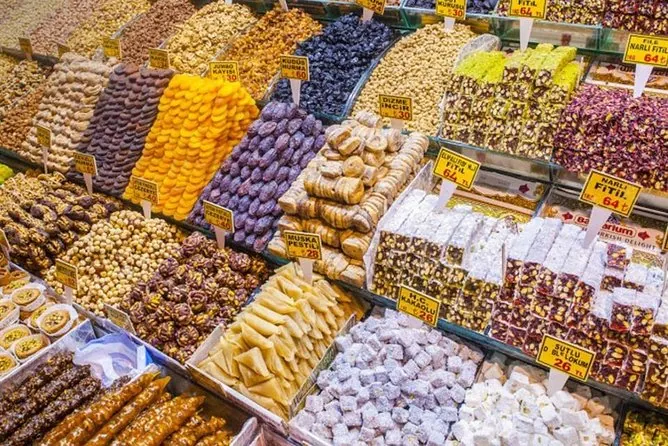
Tahtakale is still the city's coffee street. Kurukahveci Mehmet Efendi began roasting and selling ready-ground coffee on Tahmis Street in 1871, and the shop there still has a queue of locals buying coffee by weight.
How to order Turkish coffee without getting it wrong
Because the sugar goes in while the coffee is brewing, the waiter will ask how sweet you want it before it is made. This is the one moment where a few words of Turkish help:
| Say | Meaning | Who orders it |
|---|---|---|
| Sade | No sugar | Locals who want to taste the coffee itself |
| Az şekerli | A little sugar | A good first choice for most visitors |
| Orta şekerli (or just "orta") | Medium sweet | The most common order |
| Şekerli | Sweet | People who like their coffee sweet |
| Bir su, lütfen | A water, please | If the water does not come with the coffee |
A few more things to know:
- The water is for before, not after. Traditionally you drink a sip of water first to clean the palate, so you taste the coffee properly.
- The sweet is a bonus. Many cafés bring a piece of lokum (Turkish delight) or a chocolate on the saucer.
- Do not stir and do not drink to the bottom. The grounds stay in the cup. If you swirl or tip it, you get a mouthful of them.
- It is strong but small. A cup is roughly the size of an espresso, and it is meant to be sipped over 10 to 15 minutes.
Coffee customs, fortune telling and the 40-year proverb
Turkish coffee carries more social meaning than its size suggests. A well-known proverb says that a single cup of coffee is remembered for forty years, meaning that a small kindness creates a long bond. Offering coffee to a guest is a basic form of hospitality, and refusing every offer can come across as cold.
Fortune telling (kahve falı). When the cup is finished, the drinker places the saucer on top, makes a wish, turns the cup upside down and leaves it to cool. A friend, or a professional in some cafés, then reads shapes in the dried grounds: a bird for news, a road for travel, a fish for luck. UNESCO's listing mentions this custom directly. It is taken lightly, as entertainment, but it is very much alive.
Engagement coffee. When a man's family visits a woman's family to ask for her hand, the bride-to-be traditionally makes and serves the coffee. In a playful version of the custom she puts salt in the groom's cup, and he is expected to drink it without complaint.
Tea etiquette. Tea has fewer rules but more frequency. If a shopkeeper in the Grand Bazaar or a carpet seller offers you tea, it is simple hospitality, and accepting does not commit you to buying. A refill will keep coming while your glass is full; to signal you are done, place the spoon across the top of the glass or simply say "teşekkürler, yeter" (thanks, that's enough).
Where to drink Turkish coffee in Istanbul
You can get a decent Turkish coffee almost anywhere, but these places are worth going out of your way for:
- Mandabatmaz, Beyoğlu. A tiny coffee shop in a side passage off İstiklal Avenue, making Turkish coffee in a copper cezve since 1967. The name means roughly "a water buffalo would not sink", a joke about how thick the foam is. There are a few stools inside and low seats in the alley. Combine it with a walk on İstiklal Avenue.
- Fazıl Bey, Kadıköy. Open since 1923 in the Kadıköy market streets on the Asian side, with its own roasted coffee and a small café. Easy to pair with the market and the waterfront; see our guide to things to do in Kadıköy.
- Kurukahveci Mehmet Efendi, Eminönü. A shop rather than a café, but this is where to buy fresh-ground coffee to take home, right beside the Spice Bazaar.
- Karaköy. The streets between the Galata Bridge and the old warehouses mix historic baklava shops and modern coffee roasters. Ordering a Turkish coffee with a plate of baklava in the afternoon is a very local habit. Our page on Galata and Karaköy covers the area.
The best tea gardens and viewpoints
Tea gardens (çay bahçesi) are open-air terraces with low chairs, usually in parks, on hills or by the water. They are family places, and in most of them you order tea by the glass or by the semaver (a samovar for the table), plus toast, simit or a cheese plate.
- Set Üstü Çay Bahçesi, Gülhane Park. At the far end of Gülhane Park, below Topkapı Palace, a terrace that looks over the point where the Bosphorus, Golden Horn and Sea of Marmara meet. It is the easiest tea garden to reach from Sultanahmet, a short walk from the Gülhane tram stop.
- Pierre Loti Hill, Eyüp. The café on top of the hill above the Golden Horn is named after the French writer who used to sit there. Ride the cable car up from the waterfront by the Eyüp Sultan Mosque and drink your tea looking down the length of the Golden Horn. See Pierre Loti Hill and Eyüp Sultan Mosque.
- Çamlıca Hill. The highest point on the Asian side, with tea gardens, pine trees and a panorama over both continents. Our Beylerbeyi Palace and Çamlıca Hill tour stops here. More on the hill at Çamlıca Hill and Çamlıca Mosque.
- Emirgan Park. A large park on the upper European Bosphorus whose restored Ottoman pavilions house cafés. It is at its best in April during the tulip season. See Emirgan Park.
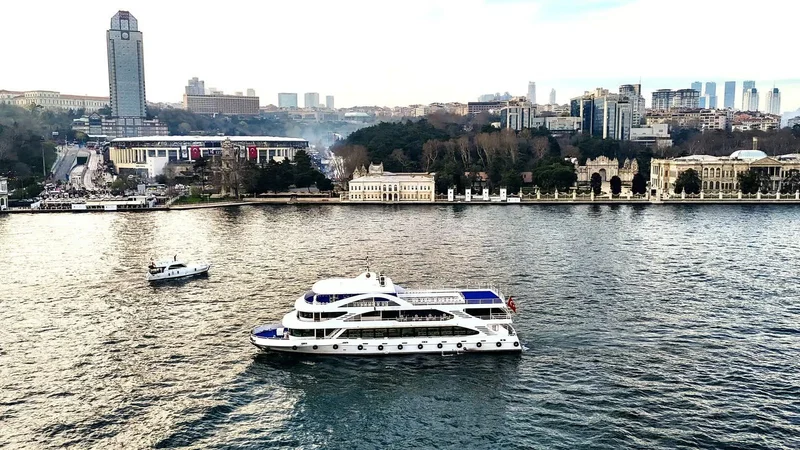
- The Bosphorus villages. Along the shore around Rumeli Fortress, Bebek and, on the Asian side, Çengelköy, small tea gardens sit right at the water's edge.
- On the ferry. The cheapest tea with a view in Istanbul is the one sold by the onboard tea seller on a city ferry. Ride from Eminönü or Karaköy to Kadıköy and buy a glass on deck. Our self-guided Bosphorus ferry guide explains the routes and fares.
What it costs
Tea is the cheapest thing you will buy in Istanbul, and Turkish coffee usually costs two to three times as much as a glass of tea in the same place. Prices vary with the setting far more than with the drink: a glass from a neighbourhood tea stand costs a fraction of the same glass on a Bosphorus terrace or in a five-star hotel.
Turkish cities set maximum prices through their local chambers of coffee-house owners. As an example, the tariff approved in Bursa in May 2026 caps a glass of tea at 22.50 TL in a simple tea stand, 37.50 TL in a first-class coffee house and 40 TL in a tea garden, with Turkish coffee capped at 60 TL in a tea stand and 100 TL in a first-class coffee house. Istanbul's tourist areas, cafés with a view and hotel terraces are a different market and charge freely, so check the menu before you sit down.
- Carry small notes. Tea stands and ferry tea sellers often want cash.
Tours that cover this
Coffee and tea stops fit naturally into a day of sightseeing. These tours build them in:
- Istanbul Street Food Tour: Local Neighbourhoods, Baklava and Coffee: 6 hours, from $90 per person, with tastings across several neighbourhoods and a coffee stop.
- Private Istanbul Shopping Tour: Grand Bazaar and Spice Market: 6 hours, from $90 per person, including the Spice Bazaar area where Istanbul's coffee trade began.
- Beylerbeyi Palace and Çamlıca Hill Half-Day Morning Tour: from $52 per person, with time on Çamlıca Hill on the Asian side.
- Istanbul Full-Day Tour with Bosphorus Cruise: from $57 per person, with Balat, Galata and lunch.
For a fully private food day, see our private Istanbul food tour page, or browse all food tours. The Istanbul destination guide has the rest of the city.
Frequently Asked Questions
Is Turkish coffee stronger than espresso?
Turkish coffee tastes stronger and heavier than espresso because it is unfiltered and the fine grounds stay in the cup. The cup is small, about the size of an espresso cup, and it is sipped slowly with a glass of water, so most people find one cup after a meal is plenty. Order it "az şekerli" (a little sugar) the first time.
Do you drink the grounds in Turkish coffee?
No, you do not drink the grounds. Let the cup rest for a minute so they settle, then sip the liquid and stop when you feel the thicker layer at the bottom. Do not stir the cup after it is served. The grounds left behind are what people use for coffee fortune telling, turning the cup upside down onto the saucer.
Why is Turkish tea served in small glasses?
Turkish tea is served in small, tulip-shaped glasses so it stays hot and can be drunk quickly, then refilled with fresh tea. The narrow waist keeps the bottom warm while the top cools enough to sip, and the clear glass shows the deep red colour that tells you how strong it is. Hold it by the rim, because the middle gets hot.
Do Turkish people put milk in tea?
Almost never. Turkish tea is drunk black, strong or light, with sugar cubes on the side if you want them. Many tea stands and tea gardens do not keep milk at all. If you need milk, a modern café is the place to ask. Lemon is also uncommon, although apple tea and herbal teas are widely available as alternatives.
Is it rude to refuse tea in a shop in Istanbul?
It is not rude to refuse politely, and accepting does not mean you have to buy anything. Shopkeepers offer tea as normal hospitality, especially in the Grand Bazaar and carpet shops. A simple "no, thank you" (hayır, teşekkürler) with a smile is fine. If you accept, it is polite to drink at least one glass before leaving.
What is the best place for Turkish coffee in Istanbul?
Mandabatmaz near İstiklal Avenue, open since 1967, is a favourite for thick-foamed coffee made in a copper pot. Fazıl Bey in Kadıköy has served coffee since 1923. To buy fresh-ground coffee to take home, go to Kurukahveci Mehmet Efendi on Tahmis Street in Eminönü, which has been roasting there since 1871.
How much is a glass of tea in Istanbul?
A glass of tea costs much less than any coffee in the same place, but prices depend on the setting. Simple tea stands and ferry tea sellers are the cheapest, tea gardens cost more, and cafés with a view or hotel terraces charge several times as much. As a guide, Bursa's 2026 tariff caps tea at 22.50 TL at a tea stand and 40 TL in a tea garden.
What is apple tea, and do locals drink it?
Apple tea (elma çayı) is a sweet, apple-flavoured drink, usually made from powder or dried fruit. It is offered mostly to visitors in the Grand Bazaar, Sultanahmet and carpet shops. Locals rarely drink it and prefer black tea. It makes a pleasant caffeine-free option, and you can buy packs to take home in the Spice Bazaar.
Sources: UNESCO Intangible Cultural Heritage, "Turkish coffee culture and tradition" (ich.unesco.org, inscribed 2013, decision 8.COM 8.28); Kurukahveci Mehmet Efendi company history (mehmetefendi.com); Daily Sabah on the history of coffee and coffee houses in Istanbul; Lonely Planet guide to Turkish coffee (Mandabatmaz, Fazıl Bey); Wikipedia, "Tea in Turkey" and "Çaykur" (production history, per-capita consumption); Wiktionary and Language Log on the origin of "kahvaltı"; Bursa Chamber of Coffee-House Owners 2026-2027 price tariff as reported by TGRT Haber and Haber7; Sözcü and Halk TV on the "Ajda" glass — checked 6 November 2026.
Written by the Get Turkey Tours team: licensed local guides and trip planners based in Istanbul.
Leave a Comment
Our private tours
Istanbul Street Food Tour: Local Neighbourhoods, Baklava and Coffee
Walk through real Istanbul neighbourhoods and markets with a local food guide, tasting street food, baklava, Turkish tea and coffee along the way.
Beylerbeyi Palace & Camlica Hill Half-Day Morning Tour in Istanbul
A 4-hour morning tour from your hotel across to the Asian side for Beylerbeyi Palace and the views from Camlica Hill, with your return by midday.
Related articles
 Travel Tips
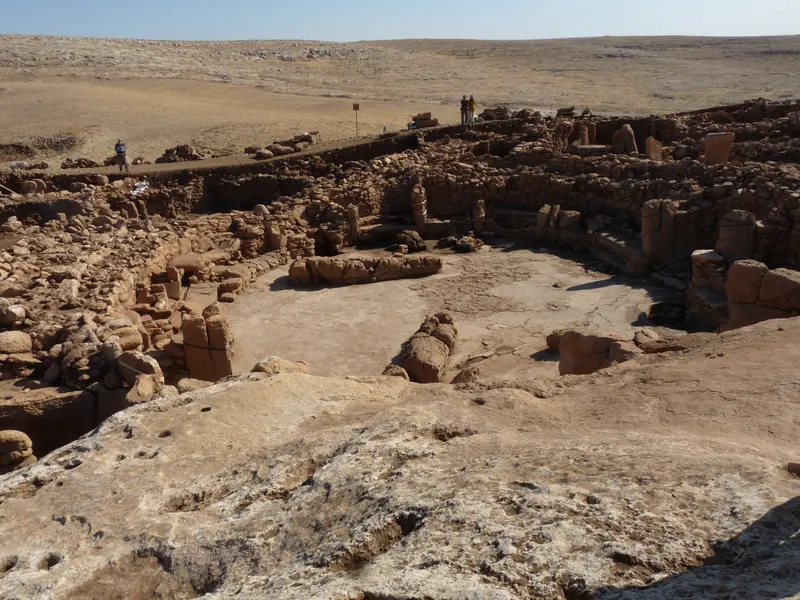
Karahan Tepe and Göbekli Tepe 2027: One-Day Plan, Tickets, Tours
Can you see Karahan Tepe and Göbekli Tepe in one day? Distances, the shared ticket and its 2027 price, Karahan Tepe's current closure, a day plan from Şanlıurfa and which tours include both.
Read More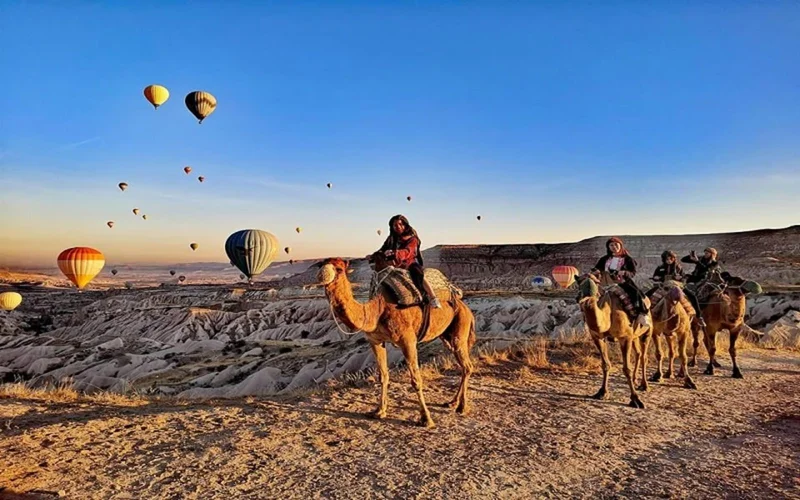 Travel Tips
Cappadocia with Kids: Balloon Age Limit, Family Cave Rooms, 3-Day Plan
The balloon age rule that operators actually publish, which cave rooms sleep a family of four, what children enjoy most and a 3-day family plan with real 2027 prices.
Read More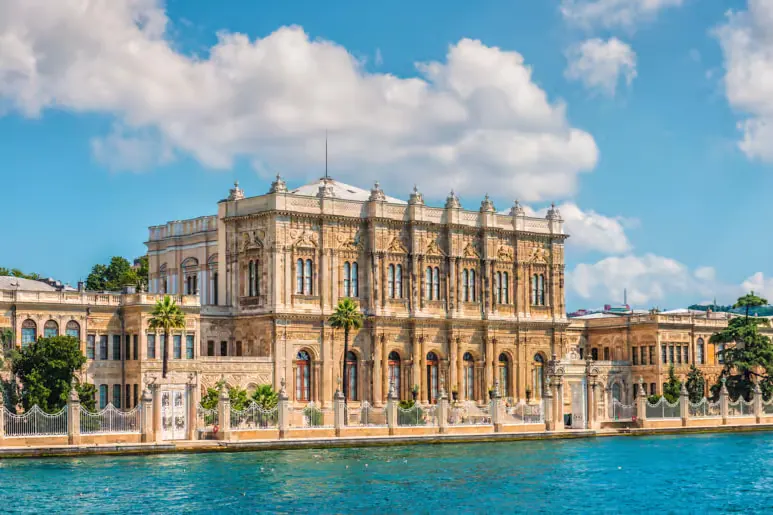 Travel Tips
Dolmabahçe Palace Tickets 2026-2027: Hours, Harem, Photo Rules
Official ticket prices and combined passes, 2027 closing days, what to see in the Selamlık and Harem, the new phone-photo rule, and three ways to pair the palace with a Bosphorus cruise.
Read More