

 Self-drive routes
Turkey Road Trip: 10 and 14-Day Driving Itineraries, Leg by Leg
Ten days covers about 1,600 km from Istanbul via Gallipoli, Ephesus, Pamukkale and Antalya to Cappadocia. Fourteen days adds Fethiye and Kaş for about 1,900 km.
A 10-day Turkey road trip covers about 1,600 km of driving, from Istanbul down past Gallipoli and Troy to Ephesus, then to Pamukkale, Antalya and Cappadocia, with no single day much over six and a half hours at the wheel. Fourteen days lets you add the Lycian coast between Fethiye and Kaş for about 1,900 km in total, at a slower pace. Most people pick up the car at the airport after their Istanbul days; our page on Istanbul Airport car rental covers the desks, the documents and the HGS toll tag.
Below are both routes leg by leg, with distances and drive times from OpenStreetMap-based routing. These are approximate figures without stops: add time for fuel, lunch, photo stops and traffic, and treat the hours as the minimum. After the routes come the driving rules we could confirm from official sources, how to get back at the end, and where it pays to leave the car for a day and take a guide.
Before you plan: three things that shape any Turkey road trip
Do Istanbul without the car. Driving in Istanbul is slow and parking in the old city is hard. Spend the first two days on foot, by tram and by ferry, then collect the car on the morning you leave the city. A private car with driver is the easier option for any Istanbul day that needs wheels.
Distances are bigger than they look. Turkey is a large country, and the classic sights sit in a rough ring. The Aegean stops are close together; the jump from the coast to Cappadocia is the long one.
Plan the end first. A one-way route that finishes in Cappadocia and flies back to Istanbul saves at least one long day of driving, but rental companies often charge a one-way fee for returning the car in another city. Ask for the total before you book.
The 10-day route: Istanbul to Cappadocia
Nine nights: two in Istanbul, one at Çanakkale, two at Selçuk, one at Pamukkale, one in Antalya and two in Cappadocia.
| Day | Leg | Approx. distance | Approx. drive time |
|---|---|---|---|
| 1-2 | Istanbul, no car | — | — |
| 3 | Istanbul to Çanakkale, via the Gallipoli peninsula | 300 km | 3½-4 h |
| 4 | Çanakkale to Troy, then on to Selçuk | 30 km + 365 km | ½ h + 4¾ h |
| 5 | Ephesus day, car stays parked | — | — |
| 6 | Selçuk to Pamukkale | 190 km | 2 h |
| 7 | Pamukkale to Antalya | 235 km | 3¼ h |
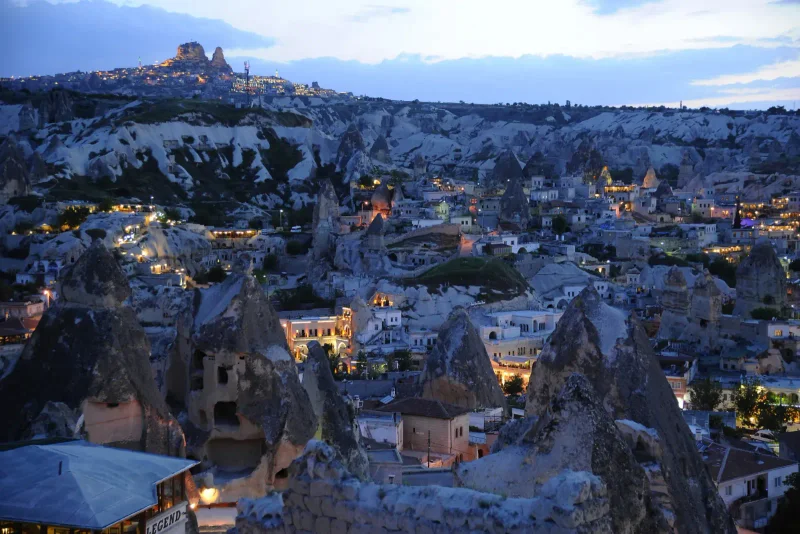
| 8 | Antalya to Cappadocia (Göreme), lunch stop in Konya | 500 km | 6½ h |
| 9 | Cappadocia, local drives only | — | — |
| 10 | Göreme to Nevşehir or Kayseri airport, fly to Istanbul | 40-80 km | ¾-1¼ h |
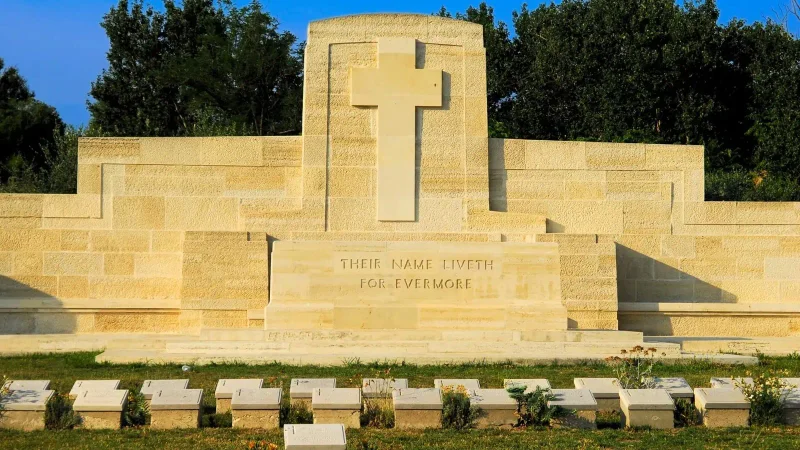
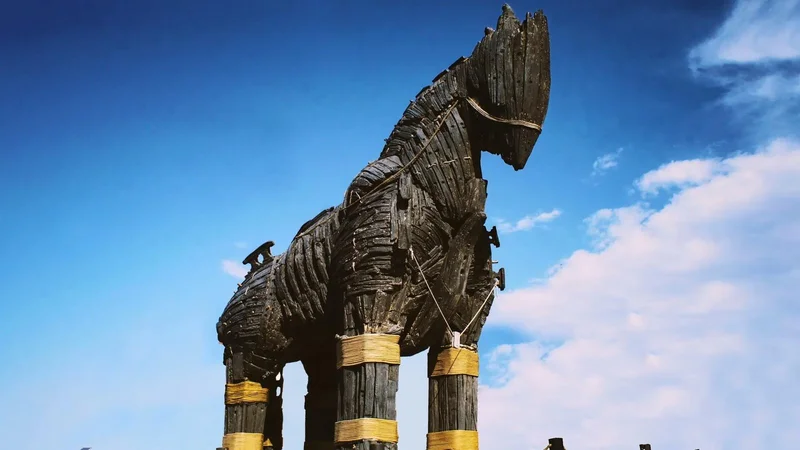
Day 3 takes you along the Sea of Marmara and onto the Gallipoli peninsula, where the cemeteries and memorials of the 1915 campaign line the coast. Cross to Çanakkale for the night.
Day 4 is the longest Aegean day. See Troy early, about half an hour south of Çanakkale, then drive the coast road south. If you would rather split it, stop at Bergama for the night; Çanakkale to Bergama is about 223 km and Bergama to Selçuk another 182 km, which adds a day but also the Pergamon Acropolis.
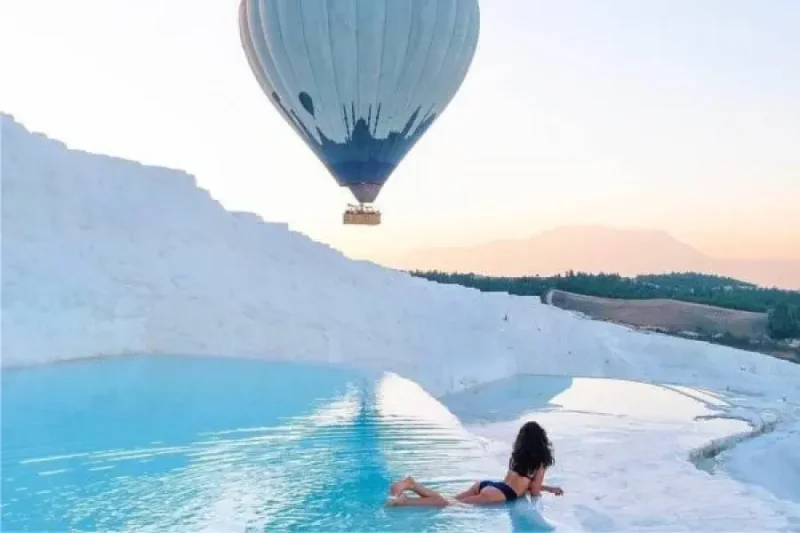
Day 5 belongs to Ephesus, the Terrace Houses and the hill village of Şirince. Day 6 is a short drive inland to the travertines of Pamukkale and Hierapolis; arrive early enough to walk the terraces at sunset.
Day 8 is the big one. Antalya to Göreme is about 500 km over the Taurus mountains and across the Konya plain. Break it in Konya at the Mevlana Museum, which is almost exactly halfway: Antalya to Konya is about 267 km and Konya to Göreme about 235 km.
The 14-day route: adding the Lycian coast
Thirteen nights, with the same start and finish but more time on the Mediterranean. The extra four days go to a night in Bergama, two nights in Fethiye, a night in Kaş and a second Antalya-region day.
| Day | Leg | Approx. distance | Approx. drive time |
|---|---|---|---|
| 1-2 | Istanbul, no car | — | — |
| 3 | Istanbul to Çanakkale | 300 km | 3½-4 h |
| 4 | Troy, then Çanakkale to Bergama | 223 km | 3¼ h |
| 5 | Bergama to Selçuk | 182 km | 2 h |
| 6 | Ephesus and Şirince | — | — |
| 7 | Selçuk to Pamukkale | 190 km | 2 h |
| 8 | Pamukkale to Fethiye | 228 km | 3¼ h |
| 9 | Fethiye: Ölüdeniz, boat day or Kayaköy | — | — |
| 10 | Fethiye to Kaş, coast road | 106 km | 1¾ h |
| 11 | Kaş to Antalya, past Myra and Demre | 183 km | 2½ h |
| 12 | Antalya: Kaleiçi, Aspendos, Perge | local | — |
| 13 | Antalya to Göreme via Konya | 500 km | 6½ h |
| 14 | Cappadocia morning, fly from Nevşehir or Kayseri | 40-80 km | ¾-1¼ h |
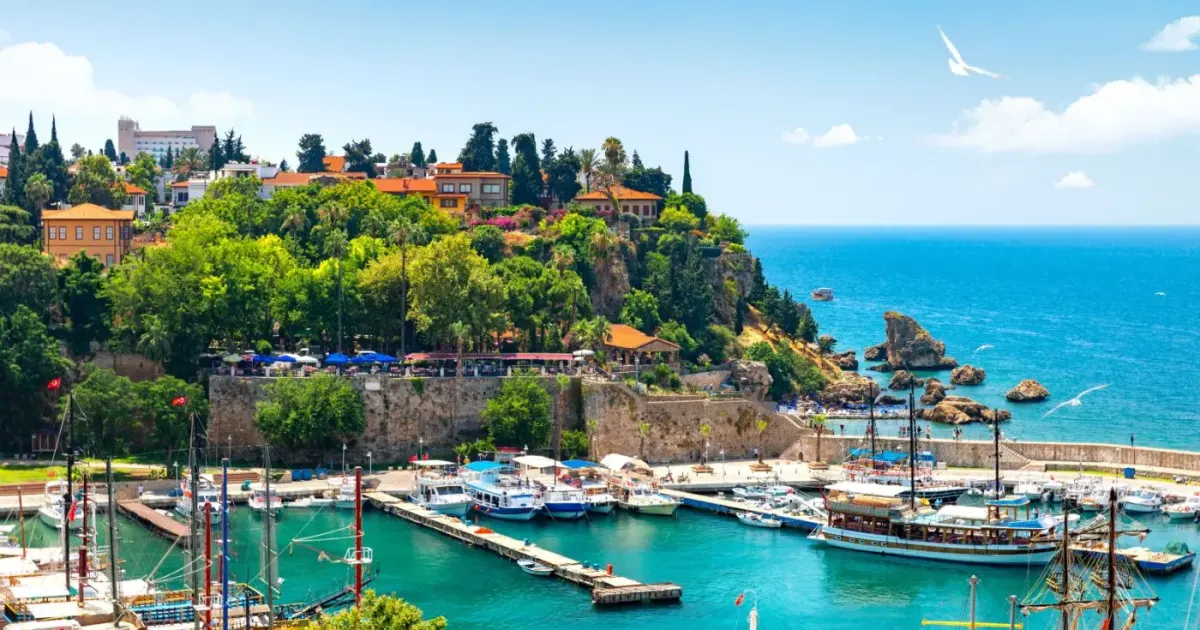
The Fethiye to Antalya stretch is the most scenic driving on either route. Between Kaş and Antalya you pass Demre, where Myra and the Church of St Nicholas make a good stop. The road follows the cliffs for long sections, so do not plan to make up time here.
If you want two full days in Cappadocia on this route, drop the Bergama night and drive Çanakkale to Selçuk in one day, as on the 10-day plan.
Getting back: fly, or drive to Istanbul
Both routes end in Cappadocia because that is where the road trip naturally stops. From there you have two choices.
- Fly. Return the car at Nevşehir or Kayseri airport and fly to Istanbul. Nevşehir airport is about 40 km from Göreme and Kayseri about 78 km. This is what we recommend.
- Drive. Göreme to Ankara is about 297 km, around three hours, and Ankara to Istanbul another 441 km, around four and three-quarter hours. That is 738 km and nearly eight hours of driving without stops. Split it with a night in Ankara for Anıtkabir and the Museum of Anatolian Civilizations, and add a day to either plan.
With the drive back, the 10-day route becomes about 2,350 km in total and the 14-day route about 2,650 km.
Driving rules we could confirm
These are taken from official sources. Rules for documents in particular depend on your nationality, so check your own government's advice as well.
- Speed limits for cars. The General Directorate of Highways (KGM) lists 50 km/h in towns, 90 km/h on two-way intercity roads and 110 km/h on divided roads. On motorways the limit for cars is 130 km/h on KGM motorways and 140 km/h on some motorways built and operated under concession. Posted signs always take priority.
- Driving licence. UK government travel advice says UK drivers need a 1968 International Driving Permit or a UK licence notarised in Turkish, and that the 1949 permit is no longer accepted. An IDP must be bought before you leave home. Travellers from other countries should check their own rules, and rental companies set their own requirements too.
- Drinking and driving. UK advice is clear: do not drink and drive. Police fine drunk drivers and can confiscate a licence for six months.
- Checkpoints. Police checkpoints are common on main roads. Slow down and follow the officers' instructions; keep your passport, licence and rental papers in the car.
Road conditions, tolls and fuel
The UK's travel advice describes roads between major cities as generally in excellent condition, with poorer surfaces in remote areas. It also notes that accidents are common, mostly due to reckless driving, and advises extra care at night. That matches our own experience: the long legs on these routes are mostly dual carriageway, while the last kilometres to a village, a beach or a trailhead can be narrow and steep.
Motorways and the big bridges charge tolls electronically. Rental cars normally carry an HGS tag, and the company bills the tolls after the rental. The details, including how companies charge for them, are on our Istanbul Airport car rental page.
Fuel stations are frequent on the main roads. Fill up before the Taurus crossing on the Antalya to Konya leg and before any detour into the mountains.
Where to leave the car and take a guide
A road trip gives you freedom between sights, but some places are better with a licensed guide. On these routes, consider a guided day in four places:
- Gallipoli and Troy. The battlefields make far more sense with someone who knows the campaign. Our Troy private day tour is from $165 per person, and a 2-day private Gallipoli and Troy tour from $235 per person.
- Ephesus. A private Ephesus tour from $300 per person includes the guide and transport, so the car can stay at the hotel.
- Cappadocia. The Red Tour from $80 per person covers the northern valleys with lunch, which saves you hunting for parking at each viewpoint. A standard sunrise balloon flight is from $199 per person and depends on the weather on the day.
- Antalya. An Antalya city tour covering Kaleiçi, the Düden waterfalls and a boat trip is from $90 per person.
If you decide you would rather not drive at all, the same route exists as a guided package with transport. Our 10-day Western Turkey tour covers Gallipoli, Troy, Pergamon, Ephesus, Pamukkale and Antalya from $1,760 per person.
When to drive
Spring and autumn are the best seasons: mild on the coast, comfortable inland, and the roads are quieter than in summer. Summer is hot on the Aegean and at Pamukkale, where nearby Denizli averages highs close to 35°C in July and August according to the Turkish State Meteorological Service, and coastal traffic is heavy at weekends. Winter is a different trip: Cappadocia averages below-freezing lows from December to February, and snow can affect the Taurus crossing and the Anatolian plateau. If you drive between December and March, ask the rental company about winter tyres and check the forecast before the long inland day.
Tours that cover this
- 10-Day Western Turkey Tour: Gallipoli, Troy, Ephesus & Antalya — from $1,760 per person, the same coast without driving.
- Gallipoli & Troy Tour: 2 Days Private — from $235 per person.
- Private Ephesus Tour — from $300 per person.
- Cappadocia Red Tour with Lunch — from $80 per person.
Frequently Asked Questions
How many days do you need for a road trip in Turkey?
Ten days is the practical minimum for the classic loop of Gallipoli, Ephesus, Pamukkale, Antalya and Cappadocia, with about 1,600 km of driving. Fourteen days adds the Lycian coast and gives you rest days. With less than a week, drive only the Aegean section and fly to Cappadocia separately.
Is it safe to drive in Turkey?
Main intercity roads are generally in very good condition, but accidents are common, and UK travel advice recommends extra care, especially at night. Drive defensively, expect overtaking on two-lane roads, and avoid long drives after dark in the mountains. Police checkpoints are frequent; slow down and follow instructions.
What is the speed limit on Turkish roads?
For cars, the General Directorate of Highways lists 50 km/h in towns, 90 km/h on two-way intercity roads and 110 km/h on divided roads. On motorways it lists 130 km/h, or 140 km/h on some concession motorways. Signs on the road always take priority, so watch for lower limits near towns and roadworks.
Do I need an International Driving Permit in Turkey?
It depends on your licence. UK government advice says UK drivers need a 1968 International Driving Permit or a licence notarised in Turkish. Other nationalities should check their own government's advice. Rental companies may also ask for an IDP, so getting one before you travel avoids problems at the desk.
Can I pick up a car in Istanbul and drop it in Cappadocia?
Usually yes, but rental companies often charge a one-way fee for returning a car in another city. Ask for the total price with the drop-off at Nevşehir or Kayseri airport before you book. A one-way rental saves about 738 km of driving back to Istanbul via Ankara.
How long is the drive from Istanbul to Cappadocia?
Directly, Göreme to central Istanbul is about 728 km, more than seven hours without stops on routing estimates. Most road trips do not drive it in one go: they reach Cappadocia via the coast, or split the return with a night in Ankara. The domestic flight is far quicker if you only need to get there.
Is the Antalya to Cappadocia drive difficult?
It is long rather than difficult. The route is about 500 km, roughly six and a half hours of driving, and crosses the Taurus mountains before the flat Konya plain. Stop in Konya for lunch and the Mevlana Museum. In winter, check the forecast for snow on the mountain section before you set off.
Are there tolls on Turkish motorways?
Yes. Motorways and the large bridges collect tolls electronically. Rental cars normally have an HGS tag, and the rental company charges the tolls to your card afterwards, sometimes with a service fee. Ask at the desk how they bill tolls before you drive away.
Sources: General Directorate of Highways (KGM) speed limit table (kgm.gov.tr); UK Foreign, Commonwealth & Development Office travel advice for Turkey, safety and security section (gov.uk); Turkish State Meteorological Service long-term averages for Denizli and Nevşehir (mgm.gov.tr); OpenStreetMap-based routing estimates (OSRM) for all distances and drive times; Get Turkey Tours itineraries and prices — checked 6 November 2026.
Private tours in Turkiye
Troy Private Day Trip from Istanbul: Trojan Horse and Troy Museum
Travel privately from Istanbul to legendary Troy to see the Trojan Horse, the Troy Museum and the layered ruins of the ancient city.
Gallipoli & Troy Tour from Istanbul: 2 Days Private with Guide & Van
Two private days from Istanbul: the First World War battlefields and memorials at Gallipoli, followed by the ruins of legendary Troy.
Related guides
- Turkey Round Trip from Istanbul for Polish Travellers: 8 or 10 Days
- Turkey Round Trip in 14 Days: Route, Beach Days, Flights and Prices
- Turkey Solo Tours 2027: A Private Guide for One, Group Days, Prices
- Turkey Tour Operator for Travel Agents: Licence, Quotes, Private Tours
- Turkey Tour Package Prices: 5 to 15 Days, What Is Included and Extra
- Turkey Tour Package from Nepal: Visa Routes, Flights and USD Prices
- Turkey Tour Packages for 2027 by Traveller Type: Which Route Fits You
- Turkey Tour Packages for August 2027: Heat, Holidays and Best Routes
- Turkey Tour Packages for December 2026: Konya, Cappadocia and Coast
- Turkey Tour Packages for July 2027: Heat, Holidays and Routes
- Turkey Tour Packages for March 2027: Eid, Weather and Four Routes
- Turkey Tour Packages for September 2027: Weather, Sea and Routes