

Travel Tips6 November 202614 min read
Istanbul Shopping Beyond the Grand Bazaar: 7 Places Locals Use
The Spice Bazaar streets, Arasta, Galata, Çukurcuma, Nişantaşı, Kadıköy and the weekly markets: where Istanbul really shops, what to buy and how to avoid overpaying.
In this article
- Where to shop instead: the short list
- Spice Bazaar and the streets around it
- Arasta Bazaar in Sultanahmet
- Galata, Karaköy and Istiklal Avenue
- Nişantaşı and the shopping malls
- Kadıköy: shopping like a local on the Asian side
- Weekly street markets: Tuesday, Wednesday and Sunday
- What to buy and how to judge it
- Bargaining, tax-free shopping and customs rules
- Tours that cover this
- Frequently Asked Questions
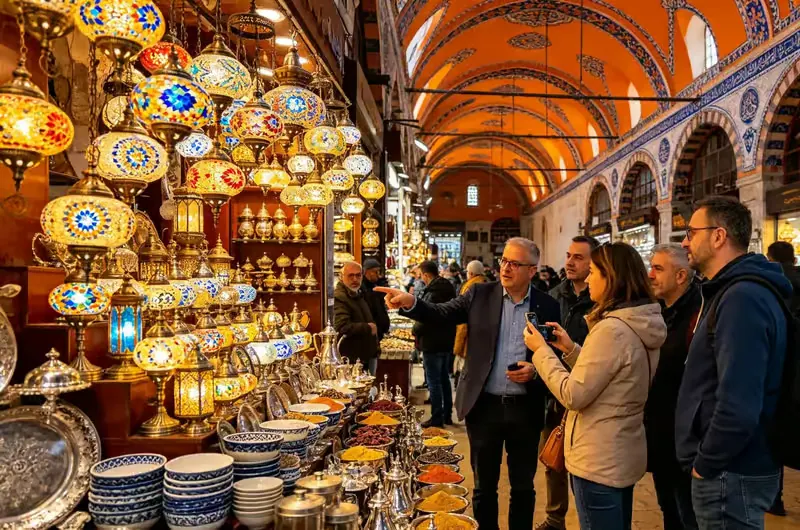
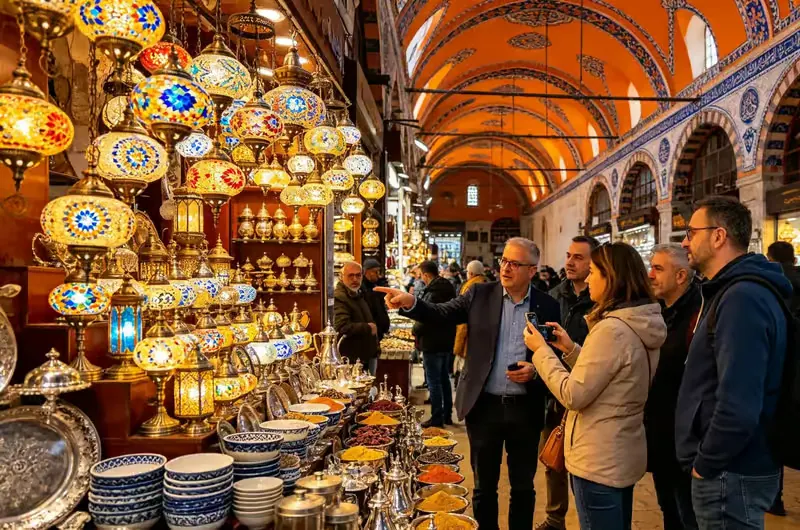
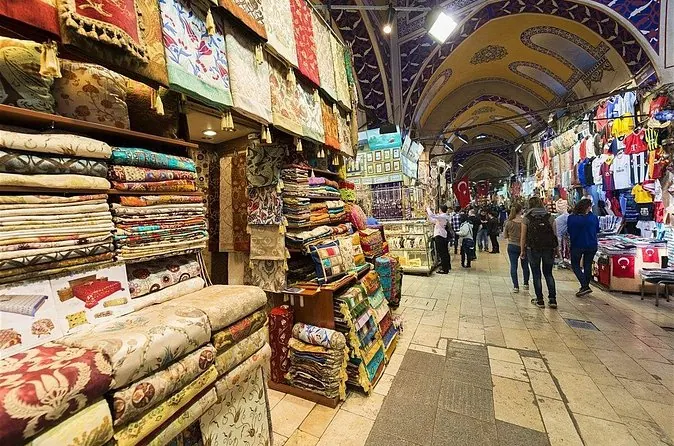
The best shopping in Istanbul outside the Grand Bazaar is in seven places: the Spice Bazaar and the streets around it, the Arasta Bazaar in Sultanahmet, Galata and Karaköy for design shops, Çukurcuma for antiques, Nişantaşı for Turkish fashion, Kadıköy for food and markets, and the weekly street markets, including the Sunday antiques market in Feriköy. The Grand Bazaar is closed on Sundays, so these are also your options on the one day of the week it shuts. This guide covers what each area sells, how to get there and how to buy without overpaying. For a first visit with someone who knows the shopkeepers, our private shopping tour of the Grand Bazaar and Spice Market covers the old city in six hours.
Most visitors to Istanbul shop only in the Grand Bazaar, and many leave with the feeling that everything was priced for tourists. That is partly true. The Grand Bazaar is an extraordinary building, but the city's real shopping life happens elsewhere: in food streets where families buy their weekly cheese and coffee, in small workshops that make the ceramics and textiles the bazaar resells, and in neighbourhoods where shopkeepers do not expect to bargain with foreigners at all.
Where to shop instead: the short list
Use this table to match what you want to buy with the right part of the city. Every area below can be reached by tram, metro or ferry from Sultanahmet or Taksim.
| What you want | Where to go | Open on Sunday? | Why there |
|---|---|---|---|
| Spices, Turkish delight, coffee, dried fruit | Spice Bazaar and Tahtakale streets, Eminönü | Spice Bazaar: yes, in most weeks | Wholesale prices and fast turnover |
| Ceramics, towels, small carpets near the sights | Arasta Bazaar, Sultanahmet | Yes | Calm, compact, next to the Blue Mosque |
| Design objects, jewellery, Turkish labels | Galata, Karaköy, Serdar-ı Ekrem street | Many shops | Independent designers and concept stores |
| Antiques, old prints, furniture | Çukurcuma and the Feriköy Sunday market | Feriköy: Sundays only | Real secondhand, not reproductions |
| Turkish and international fashion | Nişantaşı and the big malls | Yes | Fixed prices, tax-free forms |
| Food to take home, local life | Kadıköy market streets | Yes | Where Istanbul residents shop |
| Bargains, household goods, everyday clothes | Fatih Wednesday market, Kadıköy Tuesday market | No | Neighbourhood markets with local prices |
Plan your days with one rule in mind: put the Grand Bazaar on a weekday, and use Sunday for the Spice Bazaar, Arasta, Kadıköy or Feriköy.
Spice Bazaar and the streets around it
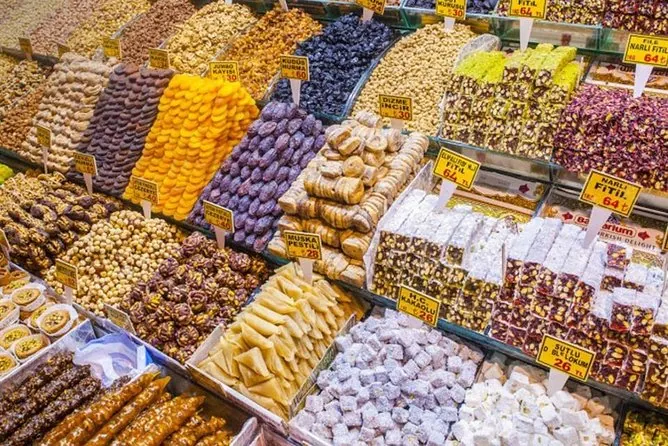
The Spice Bazaar (Mısır Çarşısı, or Egyptian Bazaar) in Eminönü was completed in 1664 as part of the New Mosque complex, and its rent helped pay for the mosque's upkeep. It is an L-shaped covered market, much smaller than the Grand Bazaar, and it is one of the few historic bazaars that opens on Sundays. Inside you will find spices, lokum (Turkish delight), dried fruit, nuts, teas, caviar and saffron, along with plenty of souvenirs.
The bazaar is a good start, but the better buying is just outside. Walk out of the western gate and into the streets of Tahtakale and the area toward the Rüstem Pasha Mosque, and the shops change from visitor-focused stalls to wholesalers serving restaurants and households. Here you can buy:
- Coffee. There is usually a queue outside the historic coffee roaster on Tahmis Street, where locals buy freshly ground Turkish coffee by weight.
- Lokum. Hacı Bekir, which traces its origin to 1777, still has its shop on Hamidiye Street in Bahçekapı, a few minutes away. Buy plain rose or pistachio lokum by weight rather than pre-packed tourist boxes.
- Cheese, olives and cured meat. The delis on the streets behind the bazaar sell kaşar, tulum and white cheese, along with pastırma (air-dried cured beef) and sucuk (spiced sausage). Ask for vacuum packing for the flight.
- Kitchenware. Copper coffee pots (cezve), tea glasses and çay sets cost less here than in Sultanahmet.
Below the Grand Bazaar, the steep Mahmutpaşa street runs down to Eminönü. It is a crowded, cheap retail street where Istanbul families buy clothes, wedding supplies and household goods. It is not for souvenirs, but it is one of the most authentic shopping streets in the city. See our Spice Bazaar page and the Galata Bridge and Eminönü guide for the area.
Arasta Bazaar in Sultanahmet
The Arasta Bazaar is a single row of shops just south-east of the Blue Mosque, originally built as part of the mosque complex to provide rental income. It is quiet compared to the Grand Bazaar, opens every day including Sunday, and sits a few minutes from Hagia Sophia, so it fits between sightseeing stops.
The shops specialise in carpets and kilims, İznik-style ceramics, peştemal towels, silk scarves and small antiques. Prices are not low, but quality is often good and pressure to buy is lower than in the busier bazaars. Look for shops that make their own towels or work with a known workshop for ceramics, and ask where pieces were made.
Arasta is the right place to buy a decorative ceramic plate or a set of hammam towels if you have only an hour. For a wider tour of the old town, see things to do in Sultanahmet.
Galata, Karaköy and Istiklal Avenue
North of the Golden Horn, the shopping changes from bazaars to independent shops.
Galata. The streets below and around the Galata Tower, especially Serdar-ı Ekrem Street, have small design shops, jewellers, ceramic studios and Turkish clothing labels. This is where to buy things that are made in Istanbul now rather than copies of old patterns: modern ceramics, leather goods, prints and handmade jewellery. Many shops open late in the morning and stay open into the evening.
Karaköy. The former warehouse area down by the water has concept stores, coffee roasters and the famous baklava shops. Buy baklava here for the flight home; shops will pack it in boxes that travel well. Our guide to things to do in Galata and Karaköy maps the streets.
Istiklal Avenue. The long pedestrian street from Taksim Square to Tünel is lined with Turkish and international high-street chains, bookshops, music stores and sweet shops. It is good for everyday clothing at fixed prices and for confectioners selling lokum and akide candy. It is crowded most of the day and very crowded on weekend evenings. See Istiklal Avenue and Taksim.
Çukurcuma. Downhill from Istiklal toward Cihangir, the lanes of Çukurcuma are Istanbul's antiques district. Shops sell old furniture, Ottoman-era prints and maps, ceramics, vintage clothes and collectables. Browsing is part of the fun; dealers here are used to collectors and will talk you through what you are looking at.
Nişantaşı and the shopping malls
For fashion and fixed prices, go to Nişantaşı in the Şişli district. Abdi İpekçi Street holds international luxury brands, while the side streets of Nişantaşı and Teşvikiye have Turkish designers, shoe shops and cafés. It is a residential area, so expect locals shopping rather than tour groups. The nearest metro stop is Osmanbey on the M2 line.
Istanbul also has a large number of modern shopping malls. The best known with visitors are Istinye Park, Zorlu Center and Kanyon, all on or near the business districts north of Taksim. Malls are useful on rainy days, for international brands, and for tax-free shopping, since most large stores issue refund forms. They are open seven days a week.
If you plan to shop across several districts in a day, a car with driver saves time and carries the bags. Our private car with driver page explains how this works.
Kadıköy: shopping like a local on the Asian side
Take the ferry from Eminönü or Karaköy to Kadıköy, about 20 minutes across the Bosphorus, and walk straight into the market streets of the Çarşı. This is where many Istanbul residents shop for food. The pedestrian lanes around Güneşlibahçe Street are packed with fishmongers, greengrocers, cheese and olive shops, pickle shops, spice merchants, coffee roasters and bakeries.
This is the best place in the city to buy food to take home at local prices: olive oil, pomegranate molasses, dried peppers and pul biber (chilli flakes), sumac, za'atar, loose tea and coffee. Shops are used to tourists asking for vacuum-packed cheese and olives.
Beyond the market, the streets toward Moda have secondhand bookshops, record shops and vintage clothing, and Bağdat Avenue, a few kilometres east, is the Asian side's long shopping street for fashion and brand stores. Our guide to things to do in Kadıköy and the page on Kadıköy and Moda cover the neighbourhood.
Weekly street markets: Tuesday, Wednesday and Sunday
Istanbul's neighbourhood markets (pazar) move from district to district through the week. Three are worth a visit for travellers.
- Kadıköy Tuesday Market (Salı Pazarı). Held on Tuesdays, with a second market day on Fridays, in a big covered market in the Hasanpaşa area, a short ride from Kadıköy centre. Clothes, fabrics, kitchenware and household goods on one side; fruit, vegetables, cheese and olives on the other. Bargaining is expected here.
- Fatih Wednesday Market (Çarşamba Pazarı). Spread across the streets around the Fatih Mosque every Wednesday, this is one of the largest neighbourhood markets in the city, with well over a thousand vendors. It is a real local market rather than a tourist sight, and it pairs well with a visit to Balat and Fener nearby; see things to do in Balat.
- Feriköy Antiques Market. Every Sunday in Feriköy, close to Bomonti in Şişli, hundreds of dealers set up stalls of antiques, old cameras, vinyl records, Ottoman and early Republic objects, glassware and furniture. Come early for the best pieces. The market runs from morning to late afternoon.
Markets are cash-driven. Bring small lira notes and a bag, and keep your phone and wallet in a front pocket.
What to buy and how to judge it
The most common Istanbul purchases each have their own trap. This table explains what to check before you pay.
| Item | Best place to buy | What to check |
|---|---|---|
| Turkish delight (lokum) | Hacı Bekir, Karaköy confectioners, Spice Bazaar area | Buy by weight; fresh lokum is soft and lightly dusted, not hard |
| Turkish coffee | Coffee roasters in Eminönü and Kadıköy | Ask for it freshly ground and packed; it loses aroma fast |
| Spices and saffron | Kadıköy market, Tahtakale | Cheap "saffron" is usually safflower; real saffron is expensive |
| Peştemal (hammam towels) | Arasta Bazaar, Galata shops | Feel for cotton or cotton-linen; check the weave is tight |
| Ceramics | Arasta Bazaar, Galata studios | Hand-painted pieces have small irregularities; ask where they were made |
| Carpets and kilims | Specialist dealers, Arasta | Ask for an invoice and, for older pieces, export papers |
| Copper and kitchenware | Streets below the Spice Bazaar | Food-safe copper is tin-lined inside |
| Leather | Galata designers, Nişantaşı | Check stitching and lining; avoid hard-sell outlets on tours |
| Olive oil soap and cosmetics | Kadıköy, pharmacies, Spice Bazaar area | Look at the label for ingredients and origin |
A note on souvenir "tours": some cheap city tours include long stops at carpet or leather showrooms that pay commission to the operator. If you want a shopping stop, choose it yourself, and if you do not want one, ask in advance whether a tour includes them.
Bargaining, tax-free shopping and customs rules
Bargaining. In bazaars, markets and small souvenir shops, the first price is an opening offer and bargaining is normal and friendly. In shops with printed price tags, in malls, in Nişantaşı and in food shops selling by weight, prices are fixed. Bargain politely, decide your maximum before you start, and do not start bargaining for something you do not intend to buy.
Tax-free shopping. Visitors who live outside Türkiye can reclaim part of the VAT on goods bought in participating stores. Ask for a tax-free form at the time of purchase, keep the goods unused, and have the form stamped by customs when you leave, before check-in at the airport. Goods must leave the country within three months of purchase, and stores set their own minimum purchase amount. Refund operators deduct a handling fee, so the amount you get back is less than the full tax.
Customs and antiques. Türkiye protects cultural property strictly under its conservation law. Exporting genuine antiquities is illegal, and older carpets and antiques generally need a certificate from a museum directorate showing they may be exported. Reputable dealers arrange this paperwork and provide an invoice; if a dealer cannot, do not buy. For new carpets, keep the purchase invoice with you at the airport.
Payment. Cards work in almost all shops, malls and larger bazaar stores. Markets, small stalls and some antique dealers prefer cash. When a card machine asks whether to charge in your home currency or in lira, choose lira; the shop's conversion rate is usually worse.
Tours that cover this
If you would like a guide to take you to the shops locals use and help with bargaining:
- Private Shopping Tour: Grand Bazaar and Spice Market — 6 hours, from $90 per person. Covers the Grand Bazaar, the Spice Bazaar and the streets around Eminönü.
- Istanbul Private Mercedes Vito City Tour with Driver — 8 hours, from $299 per group. Useful for a shopping day across Nişantaşı, Galata and the malls with somewhere to leave your bags.
- Istanbul Street Food Tour: Local Neighbourhoods and Desserts — 6 hours, from $90 per person, including the Kadıköy market streets.
For the Grand Bazaar itself, read our Grand Bazaar tour page and the Grand Bazaar guide. For everything else in the city, see our Istanbul tours and the Istanbul destination guide.
Frequently Asked Questions
Where can I shop in Istanbul on a Sunday?
The Grand Bazaar is closed on Sundays, but the Spice Bazaar, the Arasta Bazaar in Sultanahmet, the Kadıköy market streets, Istiklal Avenue, Galata, Nişantaşı and all the big malls are open. Sunday is also the day of the Feriköy Antiques Market in Şişli, the best place in the city for secondhand finds. Check holiday dates, as bazaars close during the main religious holidays.
Is the Spice Bazaar cheaper than the Grand Bazaar?
For food products, yes, and the shops in the streets just outside the Spice Bazaar are cheaper again because many of them are wholesalers. For souvenirs such as ceramics and scarves, prices are similar in both bazaars. If you want the best prices for spices, tea, coffee and dried fruit, go to the Kadıköy market streets on the Asian side, where residents do their shopping.
What is the best thing to buy in Istanbul?
The most popular purchases are Turkish delight, Turkish coffee, spices, peştemal hammam towels, hand-painted ceramics and carpets or kilims. For something only Istanbul makes now, look at the design studios in Galata. Food items travel well if vacuum-packed. Carpets are the largest purchase most visitors make, so buy from a specialist dealer who provides an invoice and export papers.
Do you have to bargain in Istanbul shops?
You bargain in bazaars, street markets and small souvenir shops, where the first price is an opening offer. You do not bargain in shops with price tags, malls, chain stores, Nişantaşı boutiques or food shops selling by weight. Be polite, set your limit before you start, and walk away calmly if the price does not suit you; that often brings a better offer.
How do I get a tax refund on shopping in Turkey?
Visitors who live outside Türkiye can claim back part of the VAT at stores that display a tax-free sign. Ask for a tax-free form when you pay, keep the goods unused, and have the form stamped at customs before airport check-in. Goods must leave Türkiye within three months. Each store applies a minimum spend, and the refund operator deducts a handling fee.
Can I take a carpet out of Turkey?
Yes. New carpets can be exported freely with a purchase invoice. Older carpets and antiques need a certificate from a museum directorate confirming they are not protected cultural property, and genuine antiquities cannot be exported at all. Reputable dealers arrange the paperwork and shipping. Never buy an antique from a seller who cannot provide documents, as penalties for illegal export are severe.
Is the Arasta Bazaar worth visiting?
Yes, if you are in Sultanahmet and want a calm place to buy ceramics, towels, carpets or scarves. It is a single row of shops beside the Blue Mosque, open every day including Sunday, with less pressure than the Grand Bazaar. Prices are not the lowest in the city, but quality is often good and it takes less than an hour to see.
When is the Feriköy antique market open?
The Feriköy Antiques Market runs every Sunday from morning until late afternoon in Feriköy, near Bomonti in the Şişli district. Dealers start setting up early, and the best pieces sell in the first hours, so arrive by mid-morning. Bring cash in small notes. The nearest metro stops are on the M2 line, with a short walk or taxi ride to the market.
Which Istanbul market do locals use?
Locals do their everyday food shopping in neighbourhood markets and market streets such as the Kadıköy Çarşı, the Kadıköy Tuesday market in Hasanpaşa and the Fatih Wednesday market around the Fatih Mosque. These have local prices and very few tourists. Mahmutpaşa, the steep street between the Grand Bazaar and Eminönü, is where families buy clothes and household goods.
Sources: Hacı Bekir company history (hacibekir.com); Daily Sabah on Istanbul's weekly bazaars and markets; Time Out Istanbul on the Feriköy markets; Wise guide to VAT refunds in Türkiye; Law No. 2863 on the Conservation of Cultural and Natural Property; published visitor information on Grand Bazaar, Spice Bazaar and Arasta Bazaar opening days — checked 6 November 2026.
Written by the Get Turkey Tours team: licensed local guides and trip planners based in Istanbul.
Leave a Comment
Our private tours
Private Istanbul Shopping Tour: Grand Bazaar and Spice Market Guide
A private shopping trip through the Spice Market and the Grand Bazaar, led by a local guide familiar with honest traders and fair prices.
Istanbul Private Driver Tour: Mercedes Vito for 8 Hours, 1-6 Guests
Your own Mercedes Vito and professional driver for a day in Istanbul, with up to six guests and the freedom to set the stops and pace.
Related articles
 Travel Tips
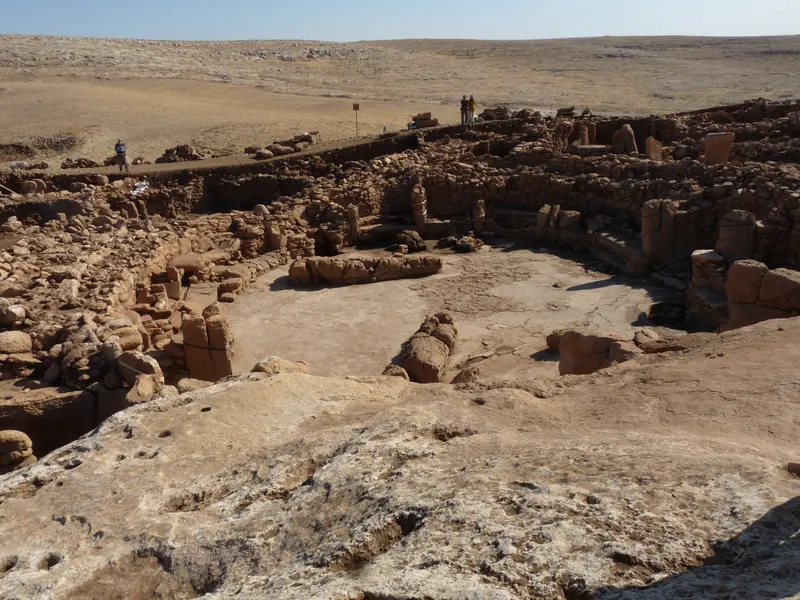
Karahan Tepe and Göbekli Tepe 2027: One-Day Plan, Tickets, Tours
Can you see Karahan Tepe and Göbekli Tepe in one day? Distances, the shared ticket and its 2027 price, Karahan Tepe's current closure, a day plan from Şanlıurfa and which tours include both.
Read More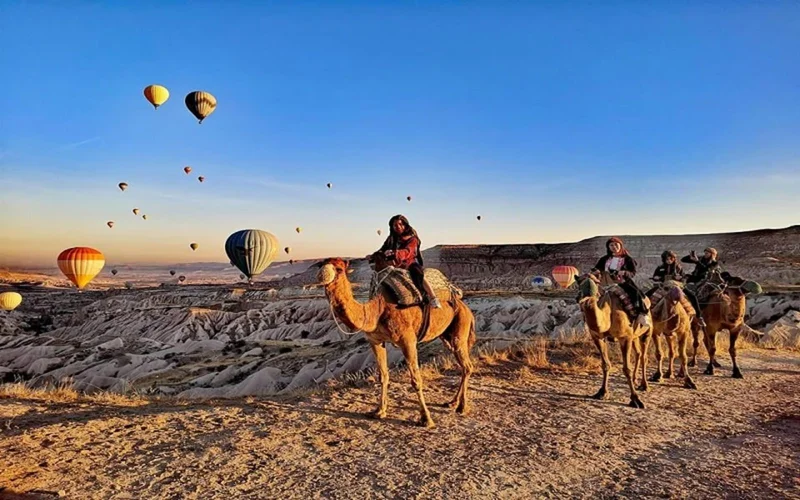 Travel Tips
Cappadocia with Kids: Balloon Age Limit, Family Cave Rooms, 3-Day Plan
The balloon age rule that operators actually publish, which cave rooms sleep a family of four, what children enjoy most and a 3-day family plan with real 2027 prices.
Read More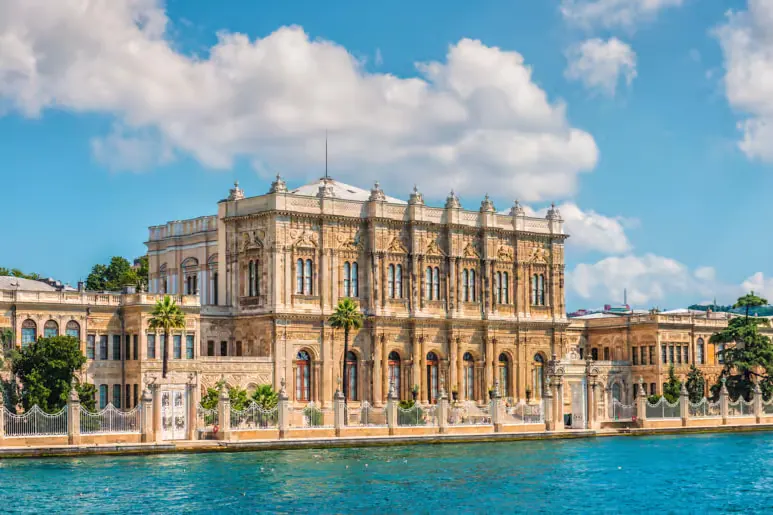 Travel Tips
Dolmabahçe Palace Tickets 2026-2027: Hours, Harem, Photo Rules
Official ticket prices and combined passes, 2027 closing days, what to see in the Selamlık and Harem, the new phone-photo rule, and three ways to pair the palace with a Bosphorus cruise.
Read More