

 دليل شرق تركيا
جولة جبل نمرود من إسطنبول: رحلات جوية، شروق الشمس وغوبيكلي تيبي
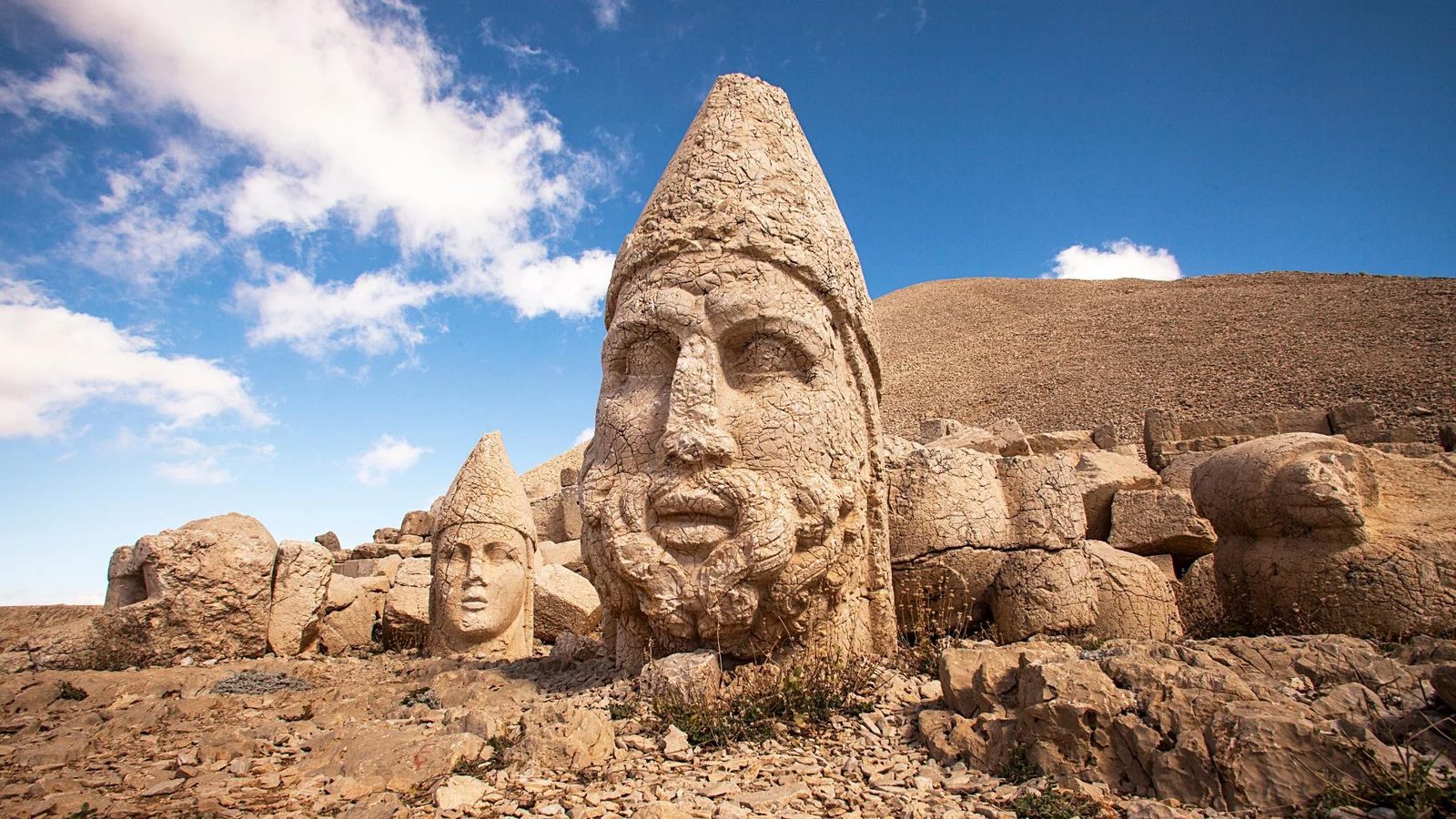
خصص يومين على الأقل: الرحلة الجوية إلى أديامان نحو ساعة و45 دقيقة، ثم قيادة من 1.5 إلى ساعتين صعوداً لمشاهدة الغروب أو الشروق، ثم العودة بالطائرة. يغلق الثلج طريق القمة من 4 إلى 5 أشهر كل شتاء.
استعرض جولاتنا
You need at least two days to see Mount Nemrut from Istanbul. The flight to Adıyaman takes about 1 hour 45 minutes, and the drive up to the summit car park takes another 1.5 to 2 hours. You see the statues at sunset or sunrise and fly back the next day. Most travellers also visit Göbekli Tepe and Şanlıurfa, which makes it a three- or four-day loop. Our 2-day Mount Nemrut and Göbekli Tepe tour with flights is the shortest version that covers both.
How to get from Istanbul to Mount Nemrut
Driving from Istanbul takes far longer than flying, so almost everyone flies. Three airports are within driving range of the summit, and all three have direct flights from both Istanbul airports.
| Airport | Direct flights from Istanbul | Flight time | Drive to the summit | Best for |
|---|---|---|---|---|
| Adıyaman (ADF) | Turkish Airlines from IST; AJet and Pegasus from SAW | about 1 h 45 min | 1.5 to 2 h via Kahta | Short trips, sunrise from the east terrace |
| Malatya (MLX) | Turkish Airlines from IST; AJet and Pegasus from SAW | under 2 h | about 2.5 h on mountain roads | The northern approach, which has a shorter final walk |
| Şanlıurfa GAP (GNY) | Turkish Airlines from IST; AJet and Pegasus from SAW | about 2 h | about 3 h via Kahta | Trips that also cover Göbekli Tepe and Harran |
The most efficient route is open-jaw: fly into Adıyaman, see Nemrut, drive to Şanlıurfa and fly home from GAP airport. Kahta is the usual base on the Adıyaman side and has the most hotels. Karadut, a small village higher up the mountain road, has a few guesthouses and puts you closest to the summit for a sunrise start.
From Kahta to the summit is about 52 km, and the last stretch is narrow with tight bends.
Sunrise or sunset on the summit
Antiochus I built his sanctuary with two terraces of statues, one facing east and one facing west. Sunrise is watched from the east terrace, sunset from the west terrace. Both have the same row of seated gods with fallen heads.
- Sunrise: You leave Kahta or Karadut in the dark, often around 3 a.m. in summer. There is no lighting on the summit path, so bring a torch or use your phone light.
- Sunset: This is easier for most people. You drive up in daylight, stop at Arsameia, the Cendere Bridge and the Karakuş tumulus on the way, and come down after dark.
- The walk: From the car park on the Kahta side, a rough stone path of about 500 to 600 metres leads up to the terraces. It is steep in places, so allow 20 to 30 minutes at an easy pace.
- The cold: The summit is about 2,150 metres high. Even in July the wind before dawn is cold, so bring a fleece, a windproof jacket and a hat.
Our advice is to pick the time that fits your flights. If you land in Adıyaman around midday, go for sunset the same evening. If you sleep in Kahta or Karadut, go up for sunrise and drive on to Şanlıurfa after breakfast.
When to go: the season and winter road closures
Snow closes the road to the summit for four to five months every winter, according to the Adıyaman culture and tourism office. The site usually closes when heavy snow arrives, often in December, and reopens between March and April once the road crews have cleared it. In 2026 the first visitors of the season reached the summit in late April and still found snow on top.
- May, June and September to mid-October are the best months. The road is open, the skies are usually clear, and the lowlands around Adıyaman and Şanlıurfa are warm but not extreme.
- July and August are very hot in the plains, but the summit stays cool.
- November is possible until the first heavy snowfall, but plan for changes. We check the road status the day before every late-season trip.
- December to March: expect the summit road to be closed. You can still visit Göbekli Tepe, Şanlıurfa and Mardin in winter.
Antiochus I and the statues
Mount Nemrut is the tomb sanctuary of Antiochus I of Commagene, who ruled from 69 to 34 BC. Commagene was a small kingdom between the Taurus Mountains and the Euphrates. Antiochus claimed descent from both the Persian kings and Alexander the Great, and his monument mixes the two traditions on purpose.
- The tumulus: He had an artificial cone of loose stone chips piled on the summit, about 49 metres high and roughly 150 metres across. His burial chamber has never been found inside it.
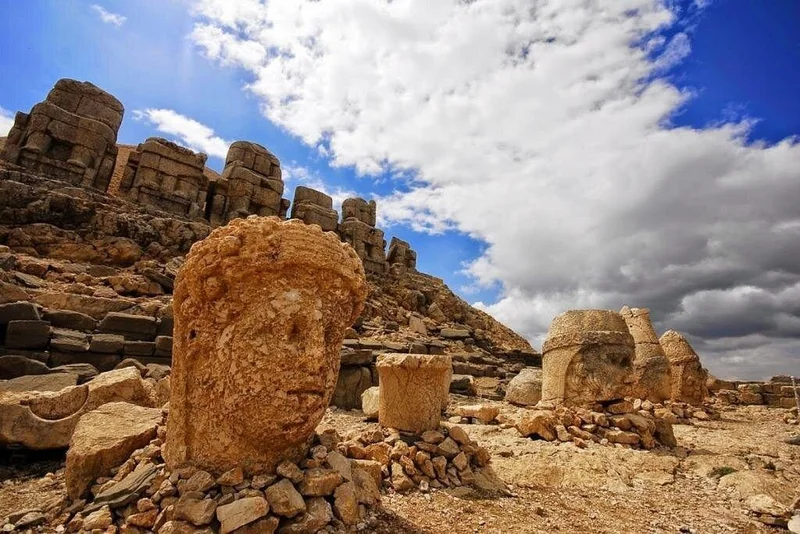
- The colossi: Seated statues about 8 to 9 metres tall show Antiochus among the gods. Each god has a combined Greek and Persian name, such as Zeus-Oromasdes, Apollo-Mithras-Helios-Hermes and Heracles-Artagnes-Ares, next to the goddess of Commagene. Lions and eagles stand guard at the ends of the rows.
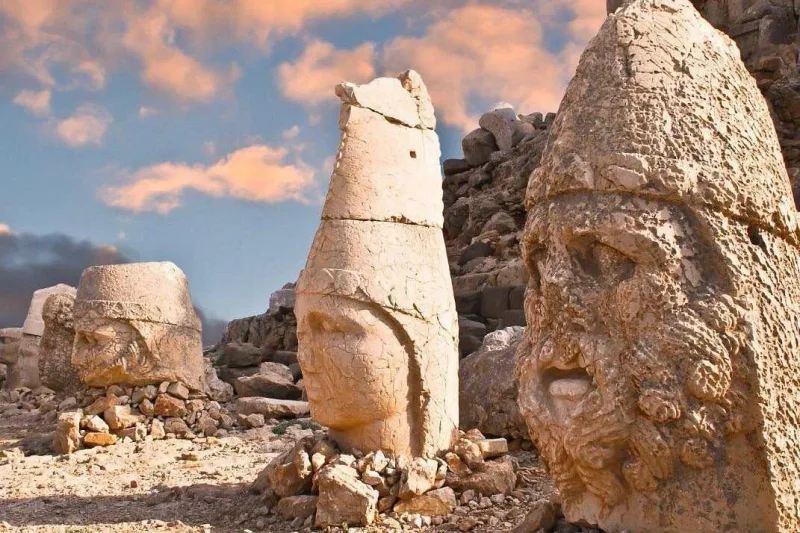
- The fallen heads: Earthquakes and time brought the heads down. They now stand on the ground in front of the headless bodies, which is the view everyone photographs.
- The Lion Horoscope: A relief on the west terrace shows a lion covered in stars, with three planets above it. One reading dates this sky chart to July 62 BC, and another to 49 BC.
The German engineer Karl Sester surveyed the site in 1881, and UNESCO listed Nemrut Dağ as a World Heritage Site in 1987. On the way down, it is worth stopping at Arsameia, the Commagene royal town, where a large relief shows a Commagene king shaking hands with Heracles. Also stop at the Roman bridge over the Cendere stream, built under Septimius Severus (AD 193 to 211). Our Mount Nemrut attraction page covers the site in more detail.
Tickets and practical tips
- Entry: In 2026, foreign visitors pay €10 at the Nemrut site, according to the Ministry of Culture and Tourism e-ticket prices. The ministry's new tariff raises this to €11 from 1 April 2027. Turkish citizens can enter with a MüzeKart.
- Footwear: Wear trainers or walking shoes with grip. The path is loose stone, not paved.
- Water and food: Bring water and a snack for sunrise trips. Breakfast usually comes after you get back down.
Combining Nemrut with Göbekli Tepe, Şanlıurfa, Harran and Mardin
Most travellers add Şanlıurfa. Göbekli Tepe is a short drive northeast of the city. Its carved T-shaped pillars date to around 9600 BC, more than 9,000 years before Nemrut was built, and it was added to the UNESCO list in 2018. Entry costs €20 for foreign visitors in 2026. The Şanlıurfa Archaeology Museum and the Haleplibahçe Mosaic Museum share one ticket at €10. Read more on our Göbekli Tepe page.
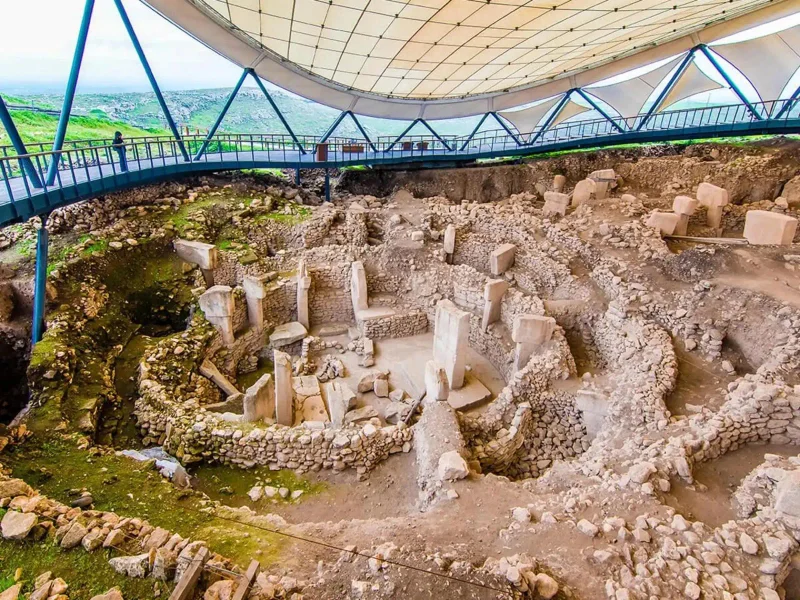
Here is a three-day plan that we often run:
| Day | Plan | Night |
|---|---|---|
| 1 | Morning flight Istanbul to Adıyaman, then Cendere Bridge, Karakuş tumulus and Arsameia, with sunset on the west terrace | Kahta |
| 2 | Drive past the Atatürk Dam to Şanlıurfa, visit Göbekli Tepe, then the Pool of Abraham (Balıklıgöl) and the old bazaar in the evening | Şanlıurfa |
| 3 | Archaeology and mosaic museums, the beehive houses of Harran, then an evening flight from GAP to Istanbul | Istanbul |
Harran lies south of Şanlıurfa on the plain toward Syria. It is known for its mud-brick beehive houses and the ruins of its medieval Great Mosque and citadel. Mardin is a stone-built old town that looks over the Mesopotamian plain. It needs at least one extra night, and its own airport has direct flights to Istanbul, so it works as the last stop. If you have more time, our eastern Turkey tours continue to Sumela Monastery and the Black Sea coast.
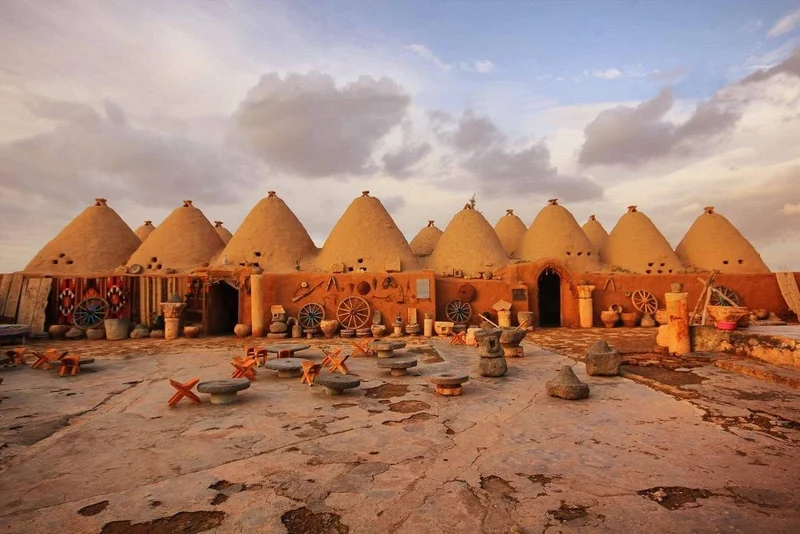
Tours that cover this
All four include flights from Istanbul:
- Mount Nemrut and Göbekli Tepe 2-day tour from Istanbul with flights: from $1,050 per person.
- Istanbul and Mount Nemrut 2-day tour with flights to Adıyaman: from $845 per person, for travellers who want Nemrut only.
- 2-day Nemrut and Göbekli Tepe tour from Istanbul: from €906 per person.
- Istanbul, Mount Nemrut and Göbekli Tepe 5-day tour: from $1,795 per person.
For Mardin or a slower pace, ask for a tailor-made Turkey tour.
Frequently Asked Questions
How many days do you need for Mount Nemrut from Istanbul?
Two days is the minimum. On day one you fly to Adıyaman and see sunset on the summit, and on day two you fly back, optionally after a sunrise visit. Three days is better, because it lets you add Göbekli Tepe and Şanlıurfa and fly home from Şanlıurfa without backtracking. Add a fourth day if you also want Harran and Mardin at an easy pace.
Is sunrise or sunset better at Mount Nemrut?
Both are worth it, and the statues are the same on each terrace. Sunrise is watched from the east terrace and means leaving around 3 a.m., with a cold walk in the dark. Sunset is seen from the west terrace and is easier, because you drive up in daylight and can visit Arsameia on the way. Choose based on your flight times.
Can you visit Mount Nemrut in winter?
Usually not. Snow closes the summit road for four to five months each year, normally from around December until March or April. November and early spring trips are possible but depend on the weather, so keep your plans flexible. In winter, Göbekli Tepe, Şanlıurfa and Mardin stay open and make a good alternative trip from Istanbul.
How much is the Mount Nemrut entrance fee in 2026?
Foreign visitors pay €10 at the Mount Nemrut site in 2026, according to the Ministry of Culture and Tourism's e-ticket prices. A new ministry tariff raises it to €11 from 1 April 2027. Turkish citizens can use a MüzeKart. Göbekli Tepe costs €20, and the Şanlıurfa museums cost €10 on one ticket, so budget around €40 for the three main paid sites.
Which airport is closest to Mount Nemrut?
Adıyaman Airport (ADF) is the closest for most visitors. It is about 1.5 to 2 hours by road from the summit car park via Kahta. Turkish Airlines flies there from Istanbul Airport, and AJet and Pegasus fly from Sabiha Gökçen. Malatya serves the northern side of the mountain, and Şanlıurfa GAP is about three hours away but convenient for Göbekli Tepe.
Is it safe to visit Mount Nemrut and Şanlıurfa?
Yes, these are regular tourist areas. The UK Foreign Office advises against travel only within 10 km of the Syrian border. Nemrut, Şanlıurfa city, Göbekli Tepe, Harran and Mardin old town all lie outside that zone. The real risks for most visitors are the summit cold, the steep path in the dark and summer heat in the lowlands, so plan for those.
Sources: Republic of Türkiye Ministry of Culture and Tourism (muze.gov.tr e-ticket prices and the 2027 tariff schedule), UNESCO World Heritage Centre (Nemrut Dağ), Turkish Airlines, AJet and Pegasus route listings, Milliyet and Medyascope reporting on the Nemrut road season (April 2026), UK Foreign, Commonwealth & Development Office (Turkey travel advice, updated 27 October 2026), Turkey Travel Planner — checked 5 November 2026.
جولات خاصة في شرق تركيا
جولة جبل نمرود وغوبكلي تبه من إسطنبول: يومان مع رحلات جوية
رحلة لمدة يومين من إسطنبول مع رحلات طيران ذهابًا وإيابًا: رؤوس الحجارة في جبل نمرود، ومعبد غوبيكلي تبي القديم، وليلة في شانلي أورفا، مع المرشد والتذاكر والغداء.
جولة إلى إسطنبول وجبل نمرود: يومان مع رحلات جوية إلى أديامان
رحلة من يومين تجمع جولة نصف يوم في المدينة القديمة بإسطنبول مع رحلة جوية إلى أديامان وزيارة التماثيل الحجرية الضخمة على جبل نمرود، وهو موقع للتراث العالمي لليونسكو.