

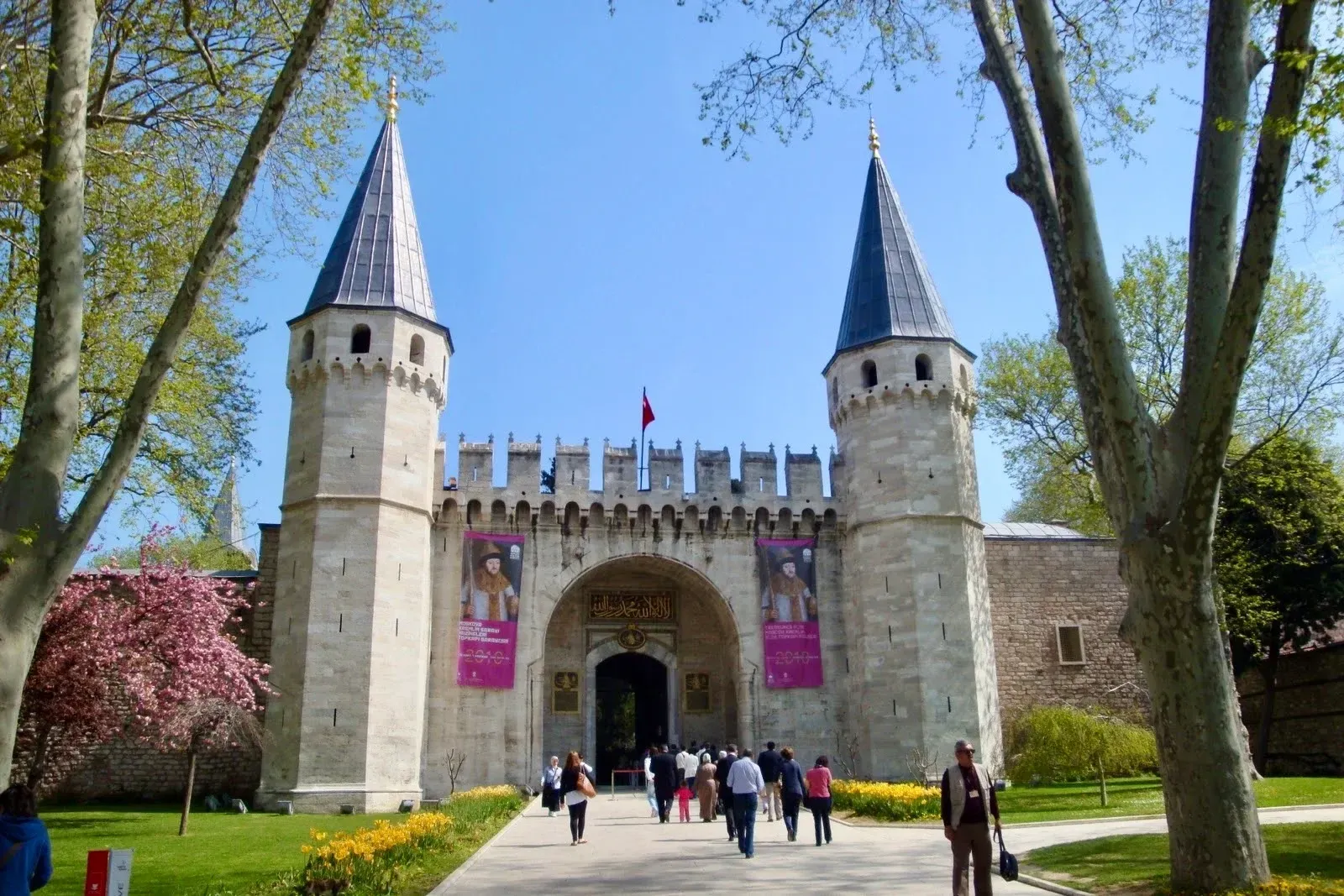
 Seasons and weather
When to Visit Istanbul: Month-by-Month Weather, Crowds and Costs
Mid-April to early June and September to October are the best times to visit Istanbul: daytime highs of about 17-26°C, little rain and shorter queues than in July and August.
The best time to visit Istanbul is mid-April to early June, or September to October. In those months the average daytime high runs from about 17°C to 26°C, rain is light, and the queues at Hagia Sophia and Topkapı Palace are shorter than in July and August. Summer is hot and the busiest season. Winter is cheaper but grey and wet, with around 16 rainy days in December and January. Istanbul has no closed season, so the best month for you depends on whether you want sea, sightseeing comfort or low hotel rates. If you already know your dates, a private Old City tour with a licensed guide works in any month. The guide simply moves the order of the day around the weather, prayer times and closing days.
Istanbul month by month at a glance
The figures below are long-term averages from the Turkish State Meteorological Service (MGM) for the Istanbul station, 1950 to 2025. Sea temperatures are MGM's monthly averages for the Sea of Marmara, 1970 to 2025. The crowd column is our own view from running tours in the city all year.
| Month | Avg high | Avg low | Rainy days | Sea (Marmara) | Crowds | Best for |
|---|---|---|---|---|---|---|
| January | 10°C | 4°C | 16 | 9°C | Low | Museums, hammams, low hotel rates |
| February | 10°C | 4°C | 14 | 8°C | Low | Quiet sights, occasional snow |
| March | 12°C | 6°C | 13 | 9°C | Low to medium | City walks between showers |
| April | 17°C | 9°C | 10 | 11°C | Medium to high | Tulips, gardens, palaces |
| May | 22°C | 14°C | 8 | 15°C | High | Walking, Bosphorus, Princes' Islands |
| June | 27°C | 18°C | 5 | 20°C | High | Long evenings, first swims |
| July | 30°C | 21°C | 3 | 23°C | Very high | Sea, yacht trips, rooftops |
| August | 30°C | 21°C | 4 | 24°C | Very high | Sea, Black Sea beach days |
| September | 26°C | 18°C | 6 | 22°C | High | Warm sea, comfortable sightseeing |
| October | 21°C | 14°C | 9 | 19°C | Medium to high | Walking, festivals, day trips |
| November | 16°C | 10°C | 11 | 15°C | Medium | Indoor sights, food tours |
| December | 12°C | 7°C | 16 | 12°C | Low, busy at New Year | Bazaars, New Year on the Bosphorus |
Two things the table does not show. First, Türkiye stays on UTC+3 all year, so winter mornings are dark: sunrise in late December is around 08:25, while sunset in late June is around 20:40. Second, wind matters as much as temperature here. The northerly poyraz makes a 10°C day feel colder on the ferry deck, and the southwesterly lodos can disrupt some ferry services in autumn and winter.
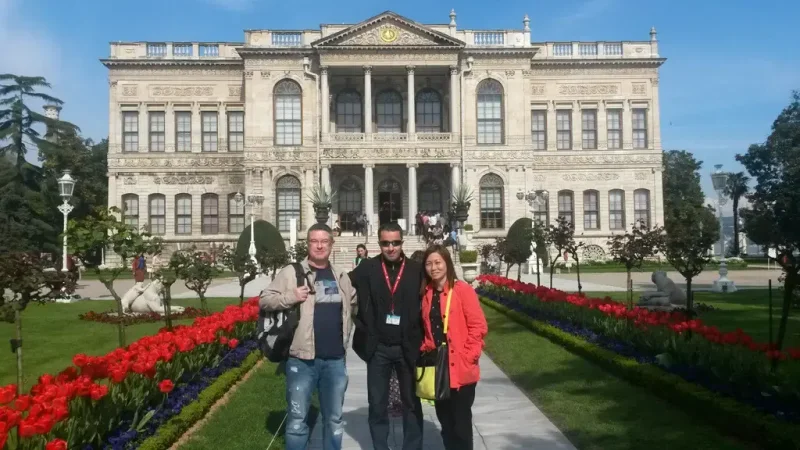
Spring: mid-April to early June
This is the season most local guides would pick. April highs average 17°C and May 22°C, which is ideal for long days on foot between the Hippodrome, the Blue Mosque and the Grand Bazaar. The city plants its parks with tulips each April, and Emirgan Park on the Bosphorus is the centre of the display.
Things to plan for in spring:
- Evenings are cool. Lows of 9°C in April mean a jacket for a Bosphorus cruise or a rooftop dinner.
- Holiday weekends fill up. The 23 April and 1 May public holidays, and the Kurban Bayramı holiday from 16 to 19 May in 2027, bring large numbers of Turkish visitors. Hotels and the Princes' Islands ferries are busiest then.
- The Istanbul Film Festival runs from 8 to 18 April in 2027, mainly in Beyoğlu cinemas.
Late May and early June give you the longest days of the walking season before the heat arrives. Book hotels and Topkapı-day guides several weeks ahead for this period.
Summer: late June to August
July and August average 30°C in the afternoon with only three or four rainy days a month. The humidity near the water makes it feel hotter, and the Old City has little shade between the big sights. This is also peak season, with the longest queues of the year at Hagia Sophia, the Basilica Cistern and Topkapı.
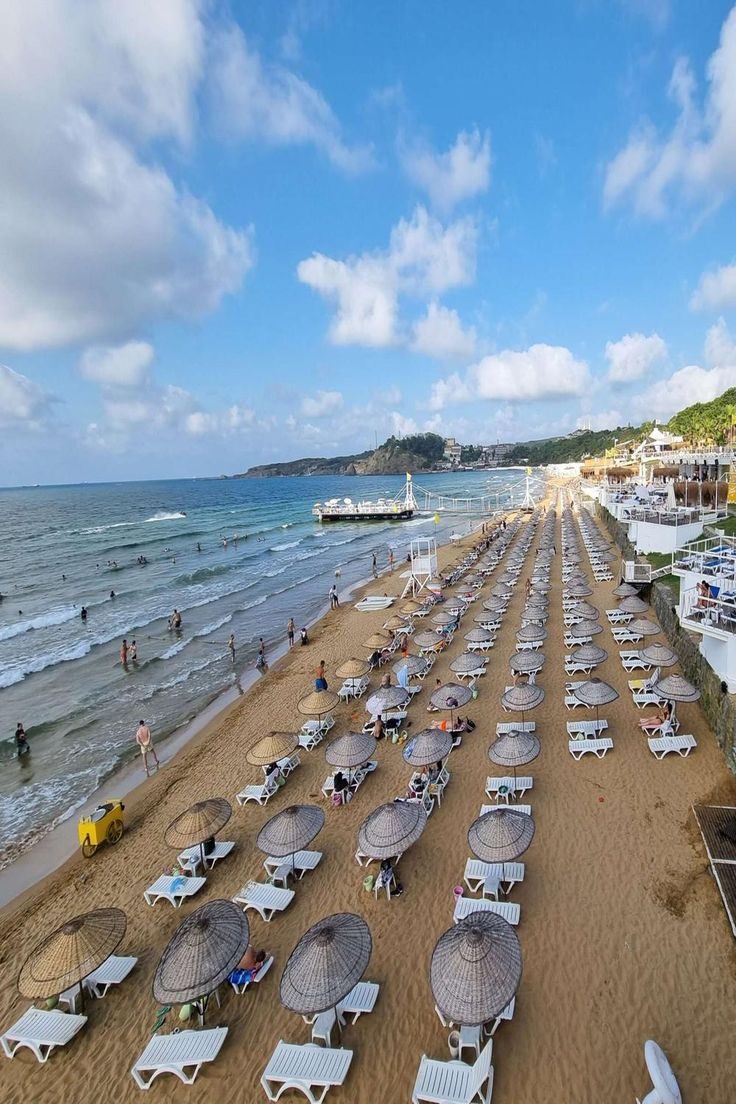
Summer still has real advantages. The Sea of Marmara averages 23°C to 24°C, evenings on the Bosphorus are pleasant until late, and the Black Sea beaches at Şile and Kilyos are an easy day out. If you come in summer, start sightseeing at opening time, keep the early afternoon for a cruise or a long lunch, and save the walking for after 17:00.
Autumn: September to November
September is the summer without the worst of it. Highs average 26°C, the sea is still at 22°C, and Turkish schools go back in mid-September, so the city's own holiday traffic drops. October cools to 21°C and is the best month for long walks through Balat, Fener and the Asian side. It is also the city's cultural season, with the Akbank Jazz Festival and İKSV's Filmekimi film week. In 2026 they ran from 26 September to 11 October and from 9 to 18 October.
November is the turning point. Average highs fall to 16°C, there are about 11 rainy days, and sunset comes before 18:00. Crowds thin out, though, and every major sight stays open. A November trip suits travellers who care more about museums, food and the bazaars than about sitting outside.
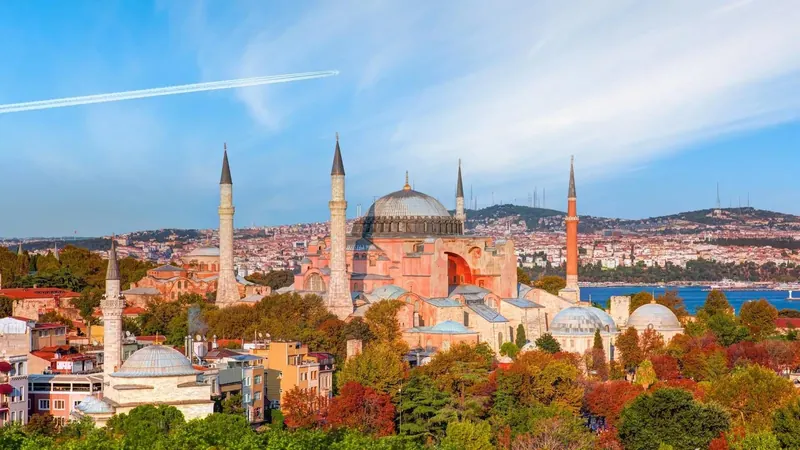
Winter: December to March
Winter is mild by northern European standards but grey. December and January average 10°C to 12°C in the daytime, with around 16 rainy days each, and snow falls on some days most winters. Short daylight hours mean you will fit fewer sights into a day, so plan on two or three main visits rather than five.
Why some travellers choose winter anyway:
- Lower hotel rates in January and February, outside the New Year week.
- Short queues at the big sights on weekdays.
- Indoor Istanbul at its best: the Istanbul Archaeology Museums, the covered Grand Bazaar, hammams and long lunches in old lokantas.
- New Year on the Bosphorus, which is the one winter peak, with dinner cruises and hotels selling out early.
Ramadan in 2027 runs from February into early March and ends with the Ramazan Bayramı holiday on 9 to 11 March. Sights stay open during Ramadan, restaurants serve as normal, and the evening iftar meal gives Sultanahmet a lively atmosphere after sunset.
Weekly closures and holidays that shape a trip
The season is only part of the timing. A few fixed rules shape any week in Istanbul:
- Topkapı Palace is closed on Tuesdays and Dolmabahçe Palace on Mondays. Plan the palace days around them.
- The Grand Bazaar is closed on Sundays and on religious holidays. The Spice Bazaar is usually open on Sundays, but check holiday hours.
- Friday midday prayer closes Hagia Sophia and the Blue Mosque to visitors for longer than on other days. Visit both in the morning on Fridays.
- On the first day of a religious holiday, some museums and palaces open late or stay closed. In 2027 these are 9 March and 16 May.
- National holidays (1 January, 23 April, 1 May, 19 May, 15 July, 30 August and 29 October) bring ceremonies, some road closures and busier weekends.
The Istanbul Marathon is held on a Sunday in early November and closes the 15 July Martyrs Bridge to traffic on race morning. The 2026 race ran on 1 November.
How crowds and hotel prices move through the year
Hotel rates in Istanbul follow demand rather than a fixed season. They are generally highest from May to October, during religious holidays and over New Year. They are lowest in January, February and late November. Tour prices change far less than room rates, so in practice the hotel decides most of the price difference between a June and a February trip.
Crowds at the sights follow a daily pattern as much as a monthly one. Even in August, Hagia Sophia at opening time is calmer than at 11:00, when the cruise groups and day tours arrive. A guide who knows the order to take the sights in saves more time than the choice of month. For a three-day plan that works in any season, see our 3-day private Istanbul tour. For a wider Türkiye trip, our best time to visit Turkey guide covers the coast and Cappadocia as well.
Tours that cover this
These tours run all year. They are the ones we suggest most often for each season:
- Istanbul Old City private guided tour, from $200 per person. Hagia Sophia, the Blue Mosque, the Hippodrome and Topkapı with a licensed guide, timed around the closing days and prayer times.
- Bosphorus lunch cruise with hotel pickup, from $75 per person. Best from April to October, when the open deck is pleasant.
- Şile Black Sea beach and pool day trip, from $60 per person. A summer and early-autumn option when the city is hot.
- Grand Bazaar and Spice Market private shopping tour, from $90 per person. A good choice for wet winter days, Monday to Saturday.
Frequently Asked Questions
What is the best month to visit Istanbul?
May and October are the strongest all-round months. May averages 22°C in the daytime and October 21°C, both with fewer than ten rainy days. They are warm enough for the Bosphorus and cool enough for full days of walking. September is better if you also want to swim, since the Sea of Marmara still averages about 22°C.
What is the cheapest time to go to Istanbul?
January and February, outside the New Year week and school holidays, usually have the lowest hotel rates. Late November is also good value. The trade-off is short daylight, cool temperatures around 10°C and frequent rain. Every main sight stays open, and queues are far shorter than in summer.
Is Istanbul too hot in July and August?
It is hot rather than extreme. The average high is about 30°C, but humidity near the water and little shade in the Old City make the afternoons tiring. Start sightseeing at opening time and keep the hottest hours for a cruise, a museum or lunch. Evenings by the Bosphorus are comfortable.
Does it snow in Istanbul?
Yes, on some days in most winters, usually between December and February. Snow rarely lasts more than a few days in the city centre, and average lows stay around 4°C. Heavy falls can slow traffic and ferries for a day, so leave some slack in a winter itinerary.
Is it worth visiting Istanbul during Ramadan?
Yes. Sights, shops and restaurants stay open, and visitors are not expected to fast. Sultanahmet gets busier in the evenings around the iftar meal, which is a good time to see the city. The only real disruption is the holiday at the end, when some museums change hours and hotels fill with domestic travellers.
When is the best time to see the tulips in Istanbul?
April. The city plants tulips in its parks and squares each spring, and Emirgan Park on the European shore of the Bosphorus has the largest displays. Bloom timing depends on the weather, so check the festival dates before you travel, and expect crowds at Emirgan on weekends.
Sources: Turkish State Meteorological Service (MGM) Istanbul long-term statistics 1950-2025 and Marmara Sea water temperature statistics 1970-2025 (mgm.gov.tr), Presidency of Religious Affairs (Diyanet) 2027 religious days calendar, İKSV festival announcements, Ministry of National Education 2026-2027 school calendar, AIMS race calendar — checked 6 November 2026.
Private tours in Istanbul
Istanbul Old City Private Tour: Hagia Sophia, Topkapi & Grand Bazaar
One private day with your own guide through Istanbul's top Byzantine and Ottoman sights, starting at Topkapi Palace and ending in the Grand Bazaar.
Bosphorus Lunch Cruise in Istanbul with Hotel Pick-up & Drop-off
Lunch on board as you cruise the Bosphorus between Europe and Asia, with a guide and return transfers from your hotel.
Related guides
- Where to Stay in Istanbul: Six Areas Compared for Every Trip
- Why Is Hair Transplant Cheaper in Turkey? What the Price Covers
- Winter Excursions from Istanbul for Russian Travellers: Snow, Islands
- Yacht Mieten in Istanbul: Bosphorus Charter Costs in Euros per Group
- Yacht Rental in Istanbul for Russian Guests: Routes, Piers, Payment
- 15 First-Time Mistakes in Istanbul, and the Fix for Each
- 7 Days in Istanbul for Gulf Families: A Day-by-Day Plan
- Abant Lake Day Trip from Istanbul: Driving Time, Season and Planning
- All-on-4 in Turkey: Planning Two Trips, Hotel and Transfers
- Antalya to Istanbul in a Day: You Fly, Our Guide Meets You on Arrival
- Athens to Istanbul Cruise 2027: What to Book for the Istanbul End
- Bagno Turco in Istanbul: Five Historic Hammams, Prices and Etiquette