

 Seasons in the east
Eastern Turkey Tour 2027: Which Season for Nemrut, Van and Kars
Go in September or early October for the whole loop. Nemrut's summit road closes for snow until about April; summer suits Kars and Van, winter Göbekli Tepe.
Browse our tours
The season decides an Eastern Turkey tour more than anywhere else in the country: September and early October suit the whole loop from Göbekli Tepe and Mount Nemrut to Van and Kars, summer is best for the cool northeast, and in winter the road to Nemrut's summit closes for snow, usually until about April. A 9-day trip that covers Nemrut, Göbekli Tepe, Mardin, Lake Van, Ani and Sumela with domestic flights, our Eastern Turkey tour from Nemrut to Sumela, starts from $2,980 per person.
This page sets out what each part of the east is like in each season, which sites close or become hard to reach, how to get around, and which of our routes fits the month you travel in 2027. For an overview of the region itself, see our Eastern Turkey destination guide.
Three regions, three climates
"Eastern Turkey" on a tour usually means three quite different areas, and they peak at different times of year.
The southeast: Şanlıurfa, Göbekli Tepe, Harran, Mardin and Mount Nemrut. Low, dry and hot. This is the edge of Upper Mesopotamia, with stone towns above the plain and some of the oldest monuments on earth. Spring and autumn are the best seasons; July and August are very hot.
Lake Van and the Ararat area: Van, Akdamar, Doğubayazıt. High plateau around Turkey's largest lake. Winters are long and cold; summers are warm and dry.
The northeast: Kars, Ani, Erzurum. The highest and coldest part of the route, with snowy winters and short, green summers. Further north, the Black Sea coast around Rize and Trabzon is mild and wet all year.
A long tour that links all three will always meet one of them out of season. The skill is picking the order and the month so that most of the trip is in the right weather.
Season by season at a glance
The figures are long-term average daily highs and lows from the Turkish State Meteorological Service (MGM).
| Season | Şanlıurfa (Göbekli Tepe) | Van | Kars (Ani) | What works best |
|---|---|---|---|---|
| Winter (Jan) | 10°C / 2°C | 2°C / –7°C | –5°C / –16°C | Göbekli Tepe, Şanlıurfa, Harran, Mardin; Kars in snow for the hardy |
| Spring (Apr) | 22°C / 10°C | 13°C / 3°C | 12°C / –1°C | The southeast; Nemrut once the summit road reopens |
| Late spring (May) | 29°C / 15°C | 19°C / 7°C | 17°C / 4°C | The southeast and Lake Van |
| Summer (Jul) | 39°C / 24°C | 28°C / 15°C | 26°C / 10°C | Van, Kars, Ani and the Black Sea; Nemrut at sunrise or sunset |
| Early autumn (Sep) | 34°C / 20°C | 24°C / 11°C | 22°C / 5°C | The full loop |
| Autumn (Oct) | 27°C / 15°C | 18°C / 6°C | 15°C / 1°C | The southeast; cold nights in the northeast |
Two things stand out. Şanlıurfa in July averages a high of almost 39°C, so sightseeing there in summer means early starts. And Kars stays below freezing by day through the winter months, with average January lows around –16°C.
Winter: the southeast without Nemrut
From late autumn to spring, snow closes the road to the summit of Mount Nemrut, usually until about April. The tomb-sanctuary of King Antiochus I of Commagene sits at about 2,150 m, and the last part of the visit is on foot. The exact opening and closing dates depend on the snow each year, so in March, April and November we confirm access shortly before the trip.
The rest of the southeast is at its quietest and easiest in winter. Şanlıurfa averages a January high of about 10°C, which is pleasant for walking, and the sites are not crowded.
A winter plan for the southeast:
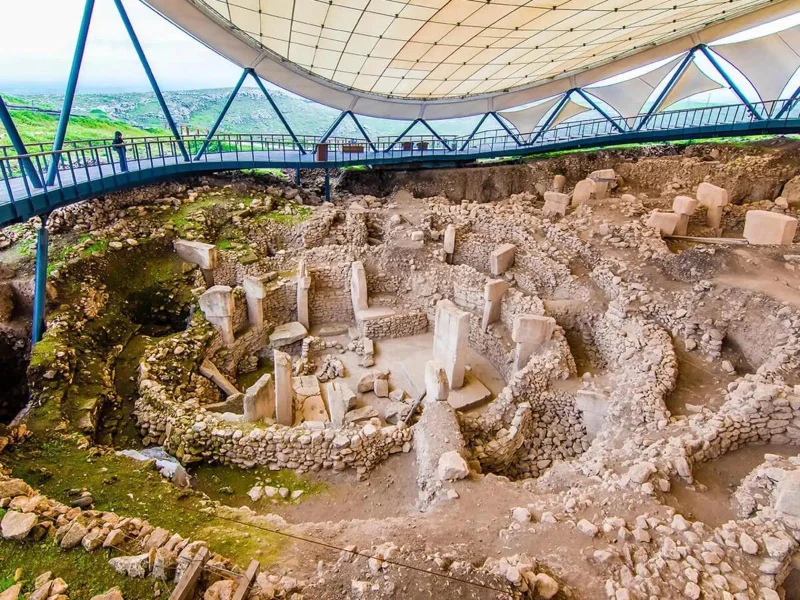
- Göbekli Tepe. The site, with monumental T-shaped pillars built from about 9500 BCE, is under a protective roof with walkways around the enclosures. It was added to the UNESCO World Heritage List in 2018. Nearby Karahan Tepe has similar pillars.
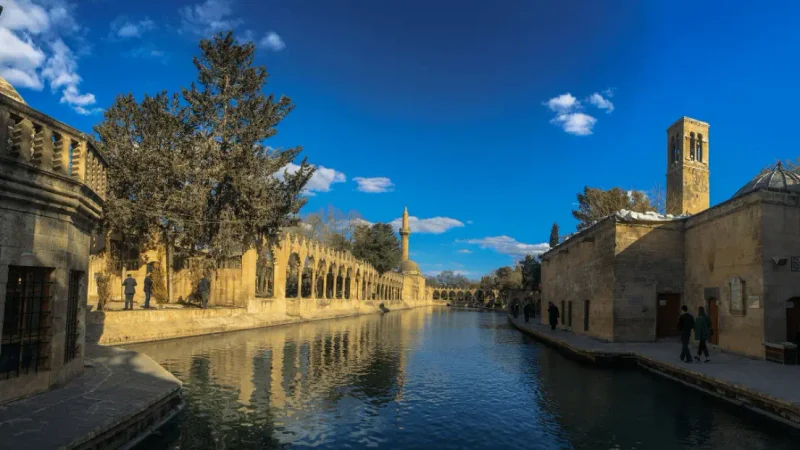
- Şanlıurfa. The pools of sacred fish at Balıklıgöl, linked by tradition to the prophet Abraham, the old bazaar and the archaeology museum.
- Harran. The beehive-shaped mud-brick houses and the ruins of an early Islamic university.
- Mardin. Honey-coloured stone houses, madrasas and churches stacked on a hillside above the Mesopotamian plain.
Our 2-day Istanbul and Göbekli Tepe tour with Harran and flights, from $845 per person, does not depend on the Nemrut road and works in any month. Read more on our Göbekli Tepe destination page.
Winter in the northeast. Kars in January averages a high of about –5°C. Some travellers go precisely for this: the ruins of Ani under snow and the Eastern Express (Doğu Ekspresi), the train that runs between Ankara and Kars on a journey of more than a day. A separate tourist service with longer stops runs on set days in the winter season and sells out quickly; tickets are sold by TCDD Taşımacılık. For winter trips around the country, see our guide to Turkey in winter.
Spring: April and May in the southeast
Spring is the best season for the southeast. The plain around Şanlıurfa and Harran is green after the winter rain, and Şanlıurfa averages highs of about 22°C in April and 29°C in May.
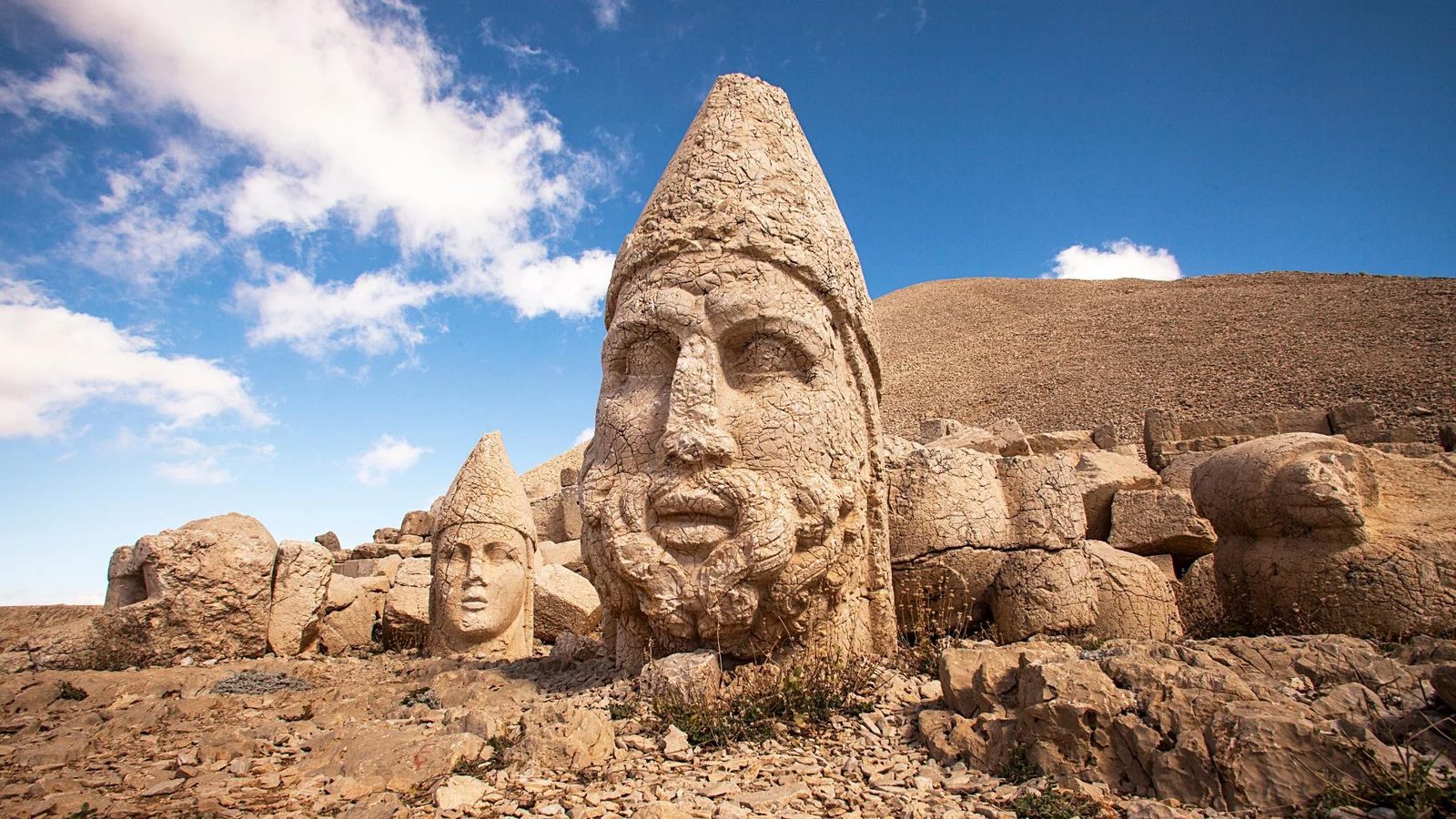
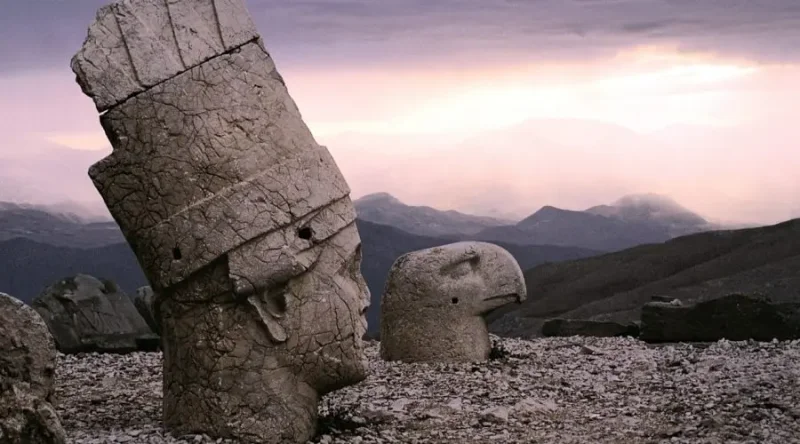
Mount Nemrut usually reopens in spring. The summit is famous for its rows of colossal stone heads of gods and kings on the east and west terraces, in front of a burial mound of loose stones about 50 m high. Most visitors time the visit for sunrise or sunset. Even in May, the summit is cold before dawn and after dark, so bring a warm layer and a hat.
Longer tours add the Commagene sites below the mountain: the Roman bridge at Cendere and the Karakuş tumulus with its columns. Nemrut is 87 km from the centre of Adıyaman and 43 km from the town of Kahta, according to the Ministry of Culture and Tourism. Our page on a Mount Nemrut tour from Istanbul explains the timing in more detail, and our Mount Nemrut attraction guide covers the monuments.
In the northeast, spring arrives late. Kars still averages a high of only about 12°C in April, and nights are around freezing, so the high plateau is better left to summer.
Summer: the northeast and Lake Van
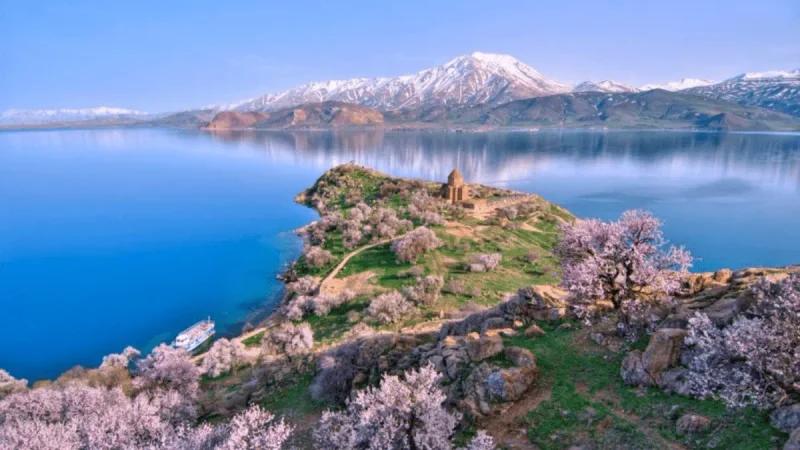
June to August is the season for the high east. Kars averages highs of about 26°C in July and nights around 10°C. Van averages about 28°C, and the lake is a deep blue against the mountains.
What to see in this season:
- Akdamar Island. A boat from the shore of Lake Van takes you to the 10th-century Armenian Church of the Holy Cross, with relief carvings of biblical scenes on its outer walls.
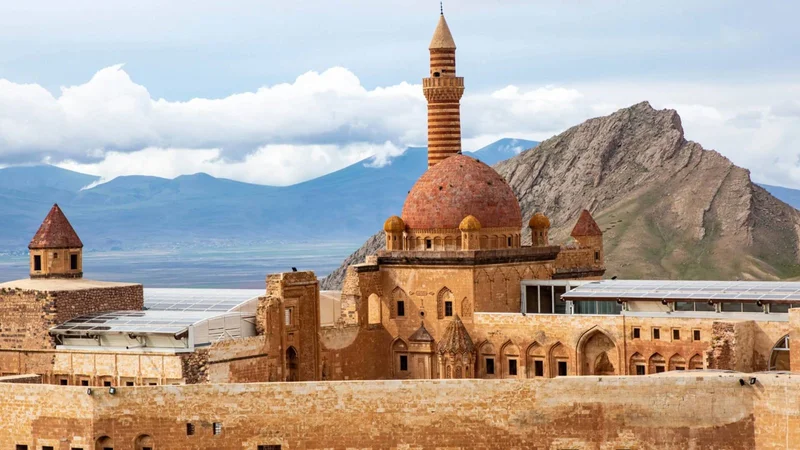
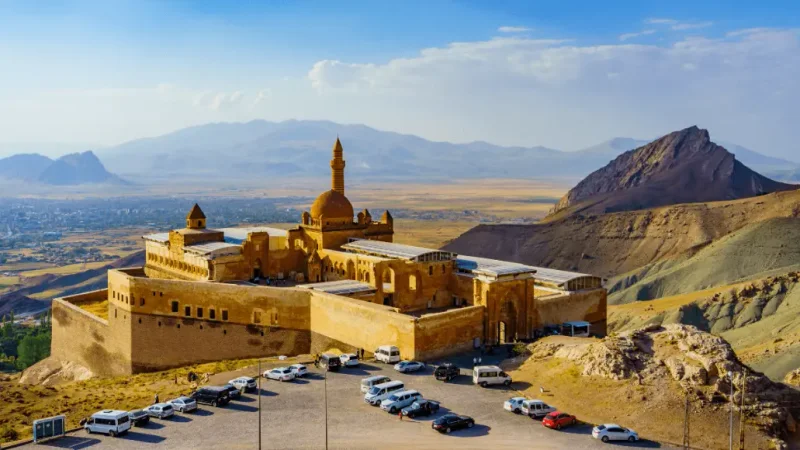
- Ishak Pasha Palace. An Ottoman palace on a ledge above Doğubayazıt, with views to Mount Ararat, at 5,137 m the highest mountain in Turkey.
- Ani. The ruins of a medieval Armenian capital on the edge of a gorge, on the border with Armenia, a short drive from Kars. A UNESCO World Heritage Site since 2016. See our Ani ruins guide.
- The Black Sea edge. The tea gardens of Rize, the Ayder plateau and the Sumela Monastery near Trabzon are cool and green in summer. Our Black Sea Turkey tour page covers that region.
The southeast is very hot in July and August, with Adıyaman averaging a high of about 38°C. Nemrut itself is far cooler at the summit, which is another reason to visit at sunset, but the hours in Şanlıurfa and Harran need an early start and a long lunch break.
Autumn: the best time for the whole loop
September and the first half of October are the only weeks when all three regions are comfortable at once. Şanlıurfa cools from about 34°C in September to 27°C in October; Van averages about 24°C in September; and Kars is still around 22°C by day in September, though nights are cold.
That is why our longest eastern routes work best in this window. The 9-day loop runs from Nemrut and Göbekli Tepe through Mardin, Hasankeyf and Ahlat to Lake Van, then north to Doğubayazıt, Kars and Ani, and on to Rize and Sumela before the flight back to Istanbul. At Hasankeyf, several monuments were moved to a new site before the reservoir of the Ilısu Dam flooded the old town.
By late October, the northeast is turning cold, with Kars averaging highs of about 15°C and nights around freezing, and snow can come early to the passes. If you travel in late October or November, start in the northeast and end in the southeast, not the other way round.
Getting around: flights, roads and the train
Distances in the east are long, and the best tours use domestic flights to skip the longest drives. There are airports at Adıyaman, Şanlıurfa, Mardin, Van, Kars, Erzurum and Trabzon, with flights from Istanbul. A typical pattern is to fly into Adıyaman or Şanlıurfa, travel overland by private vehicle through the southeast and around Lake Van, and fly home from Van, Kars or Trabzon.
Driving days on a full loop are long. A private vehicle with a driver who knows the region makes these days manageable, and a licensed guide links the sites, from the Neolithic to the Ottoman period, into one story.
Safety. Check your government's current travel advice before you go. The UK Foreign Office, for example, advises against all travel within 10 km of the border with Syria. The main sights on these routes lie outside that strip, but check the advice for your exact plan. Our guide Is Turkey safe to travel? covers the rest of the country.
Our eastern routes compared
Starting prices per person from our current list, with domestic flights as listed in each itinerary:
| Tour | Days | Covers | Best months | From |
|---|---|---|---|---|
| Istanbul and Göbekli Tepe | 2 | Göbekli Tepe, Harran, Şanlıurfa | All year | $845 |
| Mount Nemrut and Göbekli Tepe from Istanbul | 2 | Nemrut at sunset, Göbekli Tepe, Şanlıurfa | When the summit road is open | $1,050 |
| Istanbul, Nemrut and Göbekli Tepe | 5 | Istanbul, Nemrut, Cendere, Karakuş, Göbekli Tepe, Harran | Spring and autumn | $1,795 |
| Eastern Turkey and Black Sea, Rize to Van | 7 | Rize, Ayder, Ani, Kars, Ishak Pasha Palace, Akdamar | June to September | $2,480 |
| Eastern Turkey, Nemrut to Sumela | 9 | Nemrut, Göbekli Tepe, Mardin, Van, Kars, Ani, Sumela | September to early October | $2,980 |
| Private Eastern Turkey, 9 days | 9 | Same route with 5-star hotels | September to early October | $3,730 |
Tours that cover this
- Eastern Turkey tour, 9 days from Nemrut to Sumela, from $2,980 per person.
- Eastern Turkey and Black Sea tour, 7 days from Rize to Van, from $2,480 per person.
- Mount Nemrut and Göbekli Tepe from Istanbul, 2 days with flights, from $1,050 per person.
- Istanbul and Göbekli Tepe, 2 days with Harran and flights, from $845 per person.
See all our Eastern Turkey tours, or ask for a tailor-made Turkey tour if your dates fall between seasons.
Frequently Asked Questions
What is the best time to visit Eastern Turkey?
September and the first half of October, when the southeast has cooled from the summer heat and Van and Kars are still mild by day. Spring, April and May, is best for the southeast alone, and summer, June to August, is best for the high northeast around Kars, Ani and Lake Van. Winter suits Göbekli Tepe and Şanlıurfa.
Is Mount Nemrut open in winter?
The road to the summit usually closes for snow in winter and reopens in spring, often around April. The exact dates depend on the weather each year. In March, April and November, access should be confirmed shortly before the trip. In winter, choose a route built around Göbekli Tepe, Şanlıurfa, Harran and Mardin, which are open all year.
How many days do you need for Eastern Turkey?
Two days are enough for Göbekli Tepe alone, or for Nemrut and Göbekli Tepe with flights from Istanbul. Five days adds Istanbul and the Commagene sites at a slower pace. To include Lake Van, Kars, Ani and the Black Sea, plan seven to nine days with domestic flights, as the distances between regions are long.
Can you visit Göbekli Tepe all year?
Yes. Göbekli Tepe is near Şanlıurfa in the southeast, where winters are mild, with January highs of about 10°C. The excavated enclosures are under a protective roof, and visitors follow walkways around them. Summer is the hardest season, with July highs in Şanlıurfa of almost 39°C, so plan the visit for the morning.
How cold is Kars in winter?
Very cold. Long-term MGM averages give Kars a January high of about –5°C and a low of about –16°C, and snow usually covers the plateau for months. Some travellers go in winter for the snowy ruins of Ani and the Eastern Express train from Ankara. Pack proper winter clothing and boots if you travel between December and March.
Is Eastern Turkey safe for tourists?
Check your government's travel advice before you go. The UK Foreign Office advises against all travel within 10 km of the Syrian border; the main sights on our routes lie outside that strip. Tourist sites such as Göbekli Tepe, Nemrut, Mardin, Van and Kars receive visitors throughout the year. Travelling with a local driver and guide helps on long days.
How do you get to Mount Nemrut?
Fly from Istanbul to Adıyaman, then drive towards Kahta and up the mountain. Nemrut is 87 km from the centre of Adıyaman and 43 km from Kahta. The last part of the visit is a walk on foot to the terraces. Most visitors arrive for sunset or sunrise, so bring warm clothes, as the summit at about 2,150 m is cold.
Can I combine Eastern Turkey with Cappadocia?
Yes. Cappadocia and the southeast link well, by road or with a domestic flight. Our 6-day Istanbul, Cappadocia and southeast tour, from $2,140 per person, combines Istanbul, Cappadocia, Mount Nemrut, Göbekli Tepe and Harran, and there are longer routes that add Konya. Spring and autumn suit both regions; in winter the Nemrut road is closed, so check the season first.
Sources: Turkish State Meteorological Service (MGM), long-term monthly statistics for Şanlıurfa, Adıyaman, Van and Kars (mgm.gov.tr); Republic of Türkiye Ministry of Culture and Tourism, Kültür Portalı entry on Nemrut Dağı (kulturportali.gov.tr); UNESCO World Heritage List entries for Göbekli Tepe, Nemrut Dağ and the Archaeological Site of Ani; UK Foreign, Commonwealth and Development Office, Turkey travel advice (gov.uk); TCDD Taşımacılık, Eastern Express service — checked 6 November 2026.
Private tours in Eastern Turkey
Eastern Turkey Tour: 9 Days from Nemrut to Gobeklitepe & Sumela
Nine days through Eastern Turkey and the Black Sea region, from Mount Nemrut and Gobekli Tepe to Mardin, Akdamar Island, Ani, Rize tea country and Sumela Monastery.
Istanbul & Gobeklitepe Tour: 2 Days with Harran and Flights
A 2-day trip that pairs a guided walk through Istanbul's Old City with a flight to Sanliurfa and visits to Gobeklitepe, the world's oldest known temple complex, and Harran.