

 Safety for US travelers
Is Istanbul Safe for Americans? Advisory Level and Street-Smart Tips
Yes. The US State Department rates Türkiye Level 2, Exercise Increased Caution; its higher levels cover the south-east border areas, far from Istanbul.
Yes, Istanbul is generally safe for Americans: the US State Department rates Türkiye at Level 2, "Exercise Increased Caution", and its higher warning levels apply to the south-east near the Syrian and Iraqi borders, at the opposite end of the country from Istanbul. Millions of visitors spend time in the city each year without trouble. The realistic risks for a visitor are pickpockets in crowded places, a few well-known scams, protests in the city center and traffic. If you would rather have someone local with you on your first day, our Istanbul Old City private tour is from $200 per person.
This page sets out what the advisory says, which parts of the city visitors use and how they feel day and night, the scams worth knowing, the Turkish laws that catch Americans out, and a short checklist for before you fly.
What the State Department advisory says
The advisory for Türkiye is published on travel.state.gov. We could not load the page directly when we checked it on 6 November 2026, so we confirmed the level through the US Embassy in Türkiye's published reissues and reports on them. Open the official page before you travel to see the current wording.
The most recent version we could confirm, issued in June 2026, gives:
- Level 2, Exercise Increased Caution for the country as a whole. The reasons given are terrorism, armed conflict in the region and arbitrary detentions.
- Level 4, Do Not Travel within 10 km (6 miles) of Türkiye's borders with Syria and Iraq.
- The south-east carried a higher level for part of 2026. In March the State Department ordered non-emergency staff to leave the US Consulate in Adana, and in the April reissue the south-east was listed at Level 3, Reconsider Travel.
Level 2 is the second of four levels. It tells you to stay alert, not to stay home. For Canada, Global Affairs rates Türkiye "Exercise a high degree of caution", also with an "avoid all travel" zone near the Syrian and Iraqi borders.
| Area | US advisory level | What it means for a visitor |
|---|---|---|
| Istanbul | Level 2 (country-wide level) | Normal city precautions; avoid protests |
| Cappadocia, Ephesus, Pamukkale, the Aegean and Mediterranean coasts | Level 2 (country-wide level) | Same as Istanbul |
| South-east Türkiye | Check the current advisory; Level 3 in the April 2026 reissue | Not on standard tourist routes |
| Within 10 km of the Syria and Iraq borders | Level 4, Do Not Travel | Do not go |
For the wider picture beyond Istanbul, see our guide on whether Turkey is safe to travel.
The parts of Istanbul visitors actually use
Most of your time will be spent in a handful of districts, and each has its own pattern.
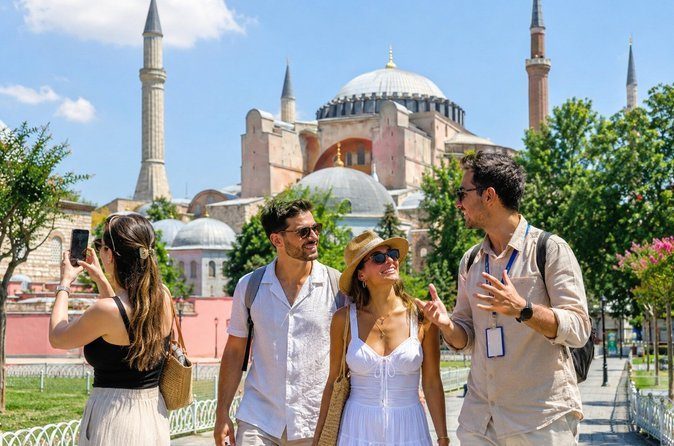
- Sultanahmet. The Old City, with Hagia Sophia, the Blue Mosque and Topkapı Palace. Busy and well policed in the daytime, quiet at night. The main nuisance is touts steering you to carpet shops.
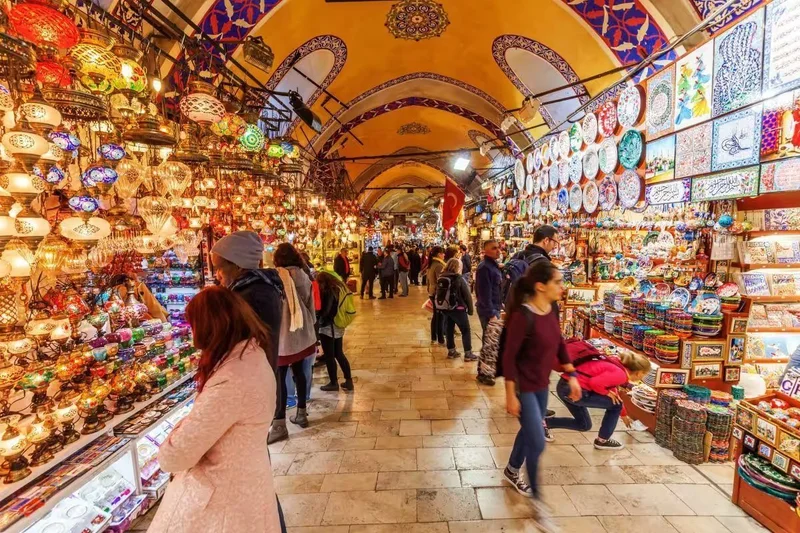
- The Grand Bazaar and Eminönü. Crowded, which is exactly what pickpockets like. Keep bags zipped and in front of you, and your phone out of your back pocket.
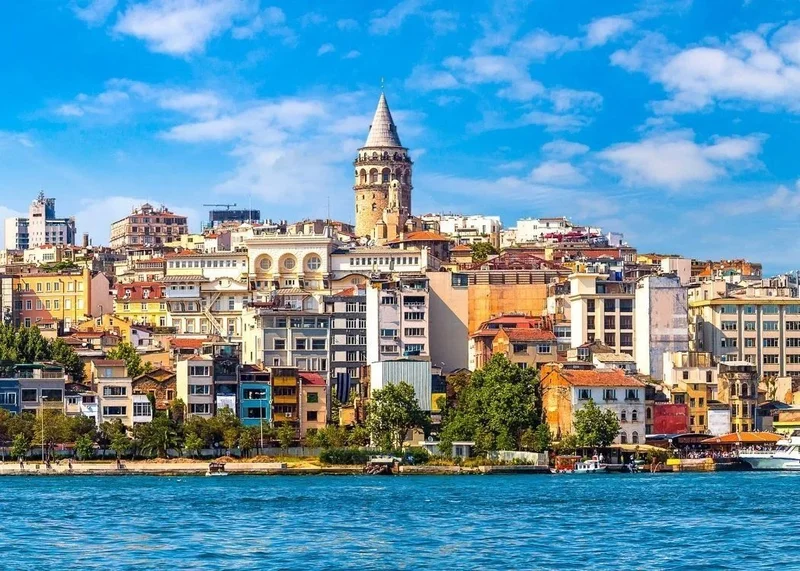
- Galata, Karaköy and Beyoğlu. Restaurants, bars and the long pedestrian street of İstiklal Avenue and Taksim. Lively until late. Taksim Square is also where demonstrations tend to gather.
- Kadıköy and Moda. On the Asian side, with markets, cafés and a residential feel. A good place to see everyday Istanbul.
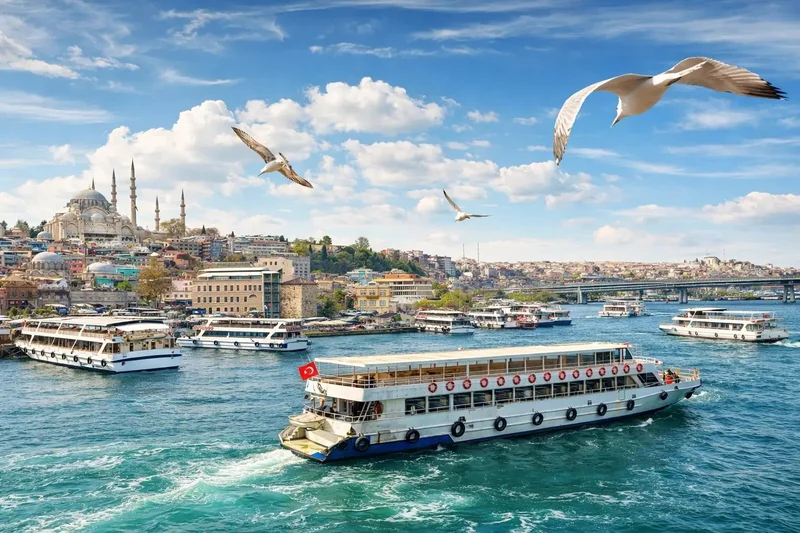
- The Bosphorus shore. Ortaköy, Bebek and the ferry piers, popular with families at weekends.
Walking in these areas in the evening is normal. Stay on lit main streets late at night, as you would in any big American city, and take a registered taxi rather than walking long distances after midnight.
Scams and petty crime to know
The UK government's travel advice says street robbery and pickpocketing are common in the main tourist areas of Istanbul. These are the situations to recognize:
- The friendly invitation. A stranger strikes up a conversation and suggests a drink at a bar or club he knows. The bill that arrives can be enormous, and drinks offered by strangers can be spiked. Choose your own places and buy your own drinks.
- Unofficial taxis. Use registered taxis with a working meter, or a taxi app, or a pre-booked car. Note the plate number. Do not accept rides from drivers who approach you inside the airport or at tourist sites.
- Street money changers. People who offer to change money in the street are best ignored. Use a bank ATM inside a branch or a licensed exchange office.
- Menus without prices. In touristy streets, ask for the menu with prices before you order fish or anything sold by weight.
- Counterfeit alcohol. Illegally made spirits containing methanol have caused deaths in Istanbul. Drink in established bars and restaurants and avoid unusually cheap spirits.
None of this is special to Istanbul, and none of it should stop you going. It is the same street sense you would use in Rome or New York.
Protests, ID checks and Turkish law
Demonstrations take place in Istanbul, and police have used tear gas and water cannon to break some up. The rule is simple: do not join or watch a demonstration, and leave the area if one starts. Protests can also close metro stations and roads around Taksim at short notice, so allow extra time.
Two points that surprise Americans:
- You must carry photo ID. Turkish law requires it. Carry your passport, or at least a copy plus another photo ID, and be ready for checks in busy areas.
- Police carry out ID checks in busy areas, especially in Istanbul. Cooperate, and if you need help, the single emergency number is 112.
Laws that catch visitors out
The advisory's mention of arbitrary detention is worth understanding. The State Department says Turkish authorities have detained US citizens, including dual nationals, for alleged links to terrorist groups, and that some have been given exit bans that stop them leaving the country. For an ordinary tourist this is rare, but it explains these rules:
- Insulting the Turkish nation, the flag, the President or Atatürk is a criminal offence, and the law can apply to things you posted online, wherever you were when you posted them.
- Drugs, including cannabis, carry prison sentences of 4 to 24 years for possession, use or smuggling, including in airport transit.
- Do not photograph military or official buildings. Ask before you photograph people.
- Dual US-Turkish citizens may be treated as Turkish citizens in Türkiye, which can include military service obligations, so check your status before travelling.
Mosques, dress and everyday manners
Practical, not dramatic: mosques are working places of worship. Shoulders and knees should be covered, women cover their hair inside, and shoes come off at the door. The larger mosques have scarves or wraps at the entrance. Visits pause during prayer times, so a guide helps you time them.
Women travelling alone or in pairs move around central Istanbul without problems. Unwanted attention does happen, as in any big city; a firm "no" and walking on usually ends it.
Earthquakes and other practical risks
Istanbul sits in an earthquake zone. In April 2025 a magnitude 6.2 earthquake in the Sea of Marmara was felt strongly in the city. If you feel a tremor, follow the instructions of your hotel or guide, and use the AFAD (Türkiye's disaster agency) website for official information.
The everyday risks are more ordinary: traffic, uneven pavements and steep cobbled hills around Galata and Balat. Wear shoes with grip, cross at lights, and remember that cars do not always stop at zebra crossings.
A checklist for American travelers
Before you fly:
- Enroll in STEP, the State Department's Smart Traveler Enrollment Program, so the embassy can reach you with alerts.
- Save the contacts: the US Embassy in Ankara and the US Consulate General in Istanbul, plus 112 for emergencies.
- Buy travel insurance that covers medical treatment and evacuation abroad.
- Check your passport. US citizens need no visa for a tourist stay of up to 90 days, but the passport must be valid at least 60 days beyond your stay. Our Turkey visa requirements 2026 update has the detail.
- Book your airport pickup if you land late. A driver waiting in arrivals removes the unofficial taxi problem. Our Istanbul airport VIP transfer is from $60 per group; see the airport private transfer page for how it works.
- Choose a central hotel. Our guide to where to stay in Istanbul compares Sultanahmet, Galata and Taksim, and our page on flights to Istanbul from the USA covers the routes.
During the trip, keep a photo of your passport on your phone, share your plans with someone at home, and keep your hotel's card in your wallet.
How a local guide changes the experience
A licensed guide does not make the city safer in any dramatic way, but it does remove most of the friction: no touts, no confusion about which entrance or queue to use, and someone who knows which streets are closed for a march that day. Many first-time American visitors book a guide for the first day and then explore alone once they have their bearings. Our private Istanbul tour with a licensed guide works on that basis, from $199 per group per day, and our Istanbul private tour guide page explains how a private day works. For evenings, an organized Istanbul night tour or a dinner cruise keeps transport simple. More ideas are in our Istanbul destination guide.
Tours that cover this
- Istanbul Old City Private Tour: Hagia Sophia, Topkapı and Grand Bazaar: from $200 per person.
- Private Istanbul Tour with a Licensed Guide, 1, 2 or 3 days: from $199 per group per day.
- Istanbul Airport VIP Transfer, private Mercedes Vito to your hotel: from $60 per group.
- Istanbul Street Food Tour: local neighborhoods, baklava and coffee: from $90 per person.
Frequently Asked Questions
Is it safe for Americans to travel to Istanbul right now?
Yes, for normal tourist travel. The US State Department rates Türkiye at Level 2, Exercise Increased Caution, in the most recent version we could confirm, and Istanbul falls under that country-wide level. The higher levels cover the south-east and a zone near the Syrian and Iraqi borders. Check travel.state.gov for the current wording before you fly.
What level is the US travel advisory for Türkiye?
Level 2, Exercise Increased Caution, for the country as a whole, citing terrorism, armed conflict in the region and arbitrary detentions. There is a Level 4 Do Not Travel zone within 10 km of the borders with Syria and Iraq, and the south-east was at Level 3 in the April 2026 reissue. We could not open the official page directly on 6 November 2026, so confirm it there.
Is Istanbul safe at night?
The central districts visitors use, such as Sultanahmet, Galata, Karaköy, Beyoğlu and Kadıköy, are busy and normal to walk in the evening. Late at night, stay on lit main streets, use a registered taxi or app instead of long walks, and avoid accepting invitations to bars from strangers. Taksim Square can see demonstrations, which you should avoid.
What are the most common scams in Istanbul?
The best known is the friendly stranger who invites you to a bar where the bill is inflated and drinks may be spiked. Others are unofficial taxis, street money changers and restaurants that do not show prices. Choose your own bars, use metered or app taxis, change money at banks and ask for a priced menu.
Is Istanbul safe for American women traveling alone?
Generally yes. Women travel alone around central Istanbul regularly. Some unwanted attention happens, as in any big city; a firm refusal and walking on usually ends it. Dress modestly for mosques, where women also cover their hair, and use registered taxis late at night. A guide for the first day helps you settle in.
Do Americans need a visa for Istanbul?
No. US citizens with ordinary passports can visit Türkiye for tourism without a visa for up to 90 days in any 180-day period. Your passport must be valid at least 60 days beyond the end of your stay. Travelers on other passports, including green card holders, follow the rules for their own nationality.
What should Americans avoid doing in Türkiye?
Do not join or watch demonstrations, do not photograph military or official sites, and never carry drugs, including cannabis, which carries long prison sentences. Insulting the Turkish state, the flag, the President or Atatürk is a criminal offence, including in social media posts. Always carry photo ID, as the law requires.
What is the emergency number in Türkiye?
Dial 112 for emergencies, including police and ambulance. Save the contact details of the US Consulate General in Istanbul and the US Embassy in Ankara before you travel, and enroll in the State Department's STEP program so the embassy can send you alerts. Your hotel and guide can also help you contact the right service.
Is it safe to take a taxi in Istanbul?
Yes, if you use a registered taxi with a working meter, a taxi app or a pre-booked car. Note the plate number when you get in. Do not accept rides from drivers who approach you inside the airport or at tourist sites. After a long flight from the US, a pre-booked airport transfer is the simplest option.
Sources: U.S. Department of State travel advisory for Türkiye (travel.state.gov) and U.S. Embassy and Consulates in Türkiye advisory reissues; Government of Canada travel advice for Türkiye (travel.gc.ca); UK Foreign, Commonwealth and Development Office travel advice for Turkey (gov.uk); Republic of Türkiye Ministry of Foreign Affairs on visa exemption; Get Turkey Tours operations team — checked 6 November 2026.
Private tours in Istanbul
Istanbul Old City Private Tour: Hagia Sophia, Topkapi & Grand Bazaar
One private day with your own guide through Istanbul's top Byzantine and Ottoman sights, starting at Topkapi Palace and ending in the Grand Bazaar.
Istanbul Airport VIP Transfer: Private Mercedes Vito to Your Hotel
A private Mercedes Vito takes you door to door from Istanbul Airport to your hotel, or the other way, with a name-sign greeting and live flight tracking.
Related guides
- Is a Hair Transplant in Turkey Safe? Checks to Make Before Booking
- Islamic History Tour of Istanbul: Eyüp Sultan, Companions, Relics
- Istanbul 10-Day Itinerary: City Days, Day Trips and Cappadocia
- Istanbul 3-Day Itinerary: A Realistic Plan for First-Time Visitors
- Istanbul 4-Day Itinerary: Old City, Bosphorus, Balat and Kadıköy
- Istanbul 5-Day Itinerary with a Day Trip to the Islands or Bursa
- Istanbul 7-Day Itinerary: A Week with Princes' Islands and Bursa
- Istanbul Airport Car Rental: Desks, Documents and Driving Tips
- Istanbul Airport Meet and Greet: How the Name-Sign Pickup Works
- Istanbul Airport Minibus for Families and Groups: Seats, Bags, Price
- Istanbul Airport Private Transfer: IST and SAW Prices, Times, Pickup
- Istanbul Airport Shuttle: Havaist Lines, Stops and How to Pay