

 Country comparison
Turkey vs Greece Vacation: Costs, Beaches, History and Best Months
Choose Turkey for variety and lower day-to-day costs; choose Greece for island hopping. Both are best in May, June, September and October, and they combine easily.
Browse our tours
Pick Turkey if you want the widest mix in one trip: a huge historic city, cave landscapes, Roman ruins and a long warm coast, with food and transport that usually cost less than in the euro area. Pick Greece if your trip is mainly about island beaches and hopping between them by ferry. Neither is better in general, and the two sit next to each other, so many travellers do both. If Turkey wins, our Istanbul and Antalya 8-day package pairs a city with the coast.
This page compares the two on the points people ask about most: prices, beaches, history, entry rules and timing. We are a Turkish operator, so we give Turkish prices from our own tours and current Turkish ticket fees. We do not quote Greek prices; check them with Greek official sources or your hotel before you book.
The short answer, by what you want most
| If your priority is | Turkey | Greece |
|---|---|---|
| Island hopping | Few islands; the coast is mainland | The main strength: many inhabited islands linked by ferry |
| One great historic city | Istanbul, with Byzantine and Ottoman layers | Athens, with the Acropolis and classical museums |
| Variety in one trip | City, Cappadocia's valleys, Roman ruins and coast | Mostly classical sites, islands and mainland villages |
| Ancient Greek and Roman sites | Ephesus, Pergamon, Aspendos, Priene, Side | Acropolis, Delphi, Olympia, Knossos on Crete |
| Day-to-day costs | Local food and transport usually cheaper | Euro-area prices |
| Easy entry | Visa-free for many passports, separate from Schengen | Schengen rules, the euro, EU roaming |
| Winter trip | Istanbul and Cappadocia work well | Athens works; many islands go quiet |
Most first-time visitors to Turkey spend about a week to ten days and cover Istanbul, Cappadocia and the Aegean. A first trip to Greece is often Athens plus two or three islands. Both need more time than people expect, because distances are long and the sea links take planning.
Prices: what you can count on in Turkey
Turkey's prices have risen in the last few years, and the country is no longer the bargain it once was in hotels and museums. Day-to-day costs, such as local restaurants, buses and ferries, still tend to be lower than in Western Europe. Here are figures we can stand behind:
- Museum fees. Many Turkish site tickets are set in euros for foreign visitors. Hagia Sophia costs €25. Ephesus costs €40, rising to €45 from 1 April 2027. Our Hagia Sophia ticket update has the details.
- Getting around Istanbul. A ride on the metro, tram, bus or ferry costs 46.20 TL with an Istanbulkart.
- Packages. Our 8-day private Turkey package starts from $2,250 per person, and the Istanbul and Antalya package from $1,980 per person. International flights are extra.
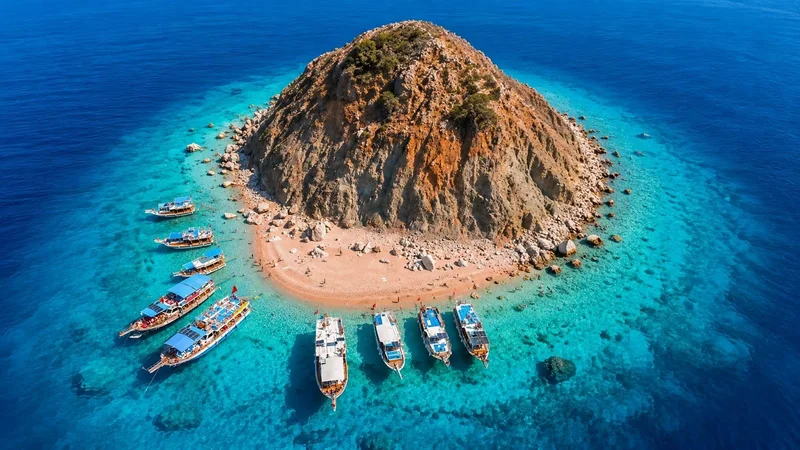
- A beach day by boat. The Suluada boat tour from Antalya starts from $50 per person with lunch.
Our Turkey trip cost guide breaks a full budget into hotels, food, transport and tickets.
For Greece, compare like with like. Price the same hotel standard, the same number of guided days and the transport between islands, which can add up when you take several ferries. Greece uses the euro, so there is no exchange-rate swing for travellers from the euro area. In Turkey, prices quoted in lira can change through the year, which is why many tourism prices are given in euros or dollars.
Beaches and the sea
Greece's beaches are spread across its islands. The appeal is variety: each island has its own coast, and you move between them by ferry. The trade-off is time. Ferry days eat into beach days, and in high summer the popular islands are crowded.
Turkey's beaches are on the mainland, along the Aegean and the Mediterranean. The main bases are:
- Antalya and its coast, with long beaches, resort hotels, and the ancient sites of Perge, Aspendos and Side nearby.
- Fethiye and Ölüdeniz, with pine-covered hills and bays best reached by boat.
- Bodrum, a resort peninsula with a castle, marinas and small coves.
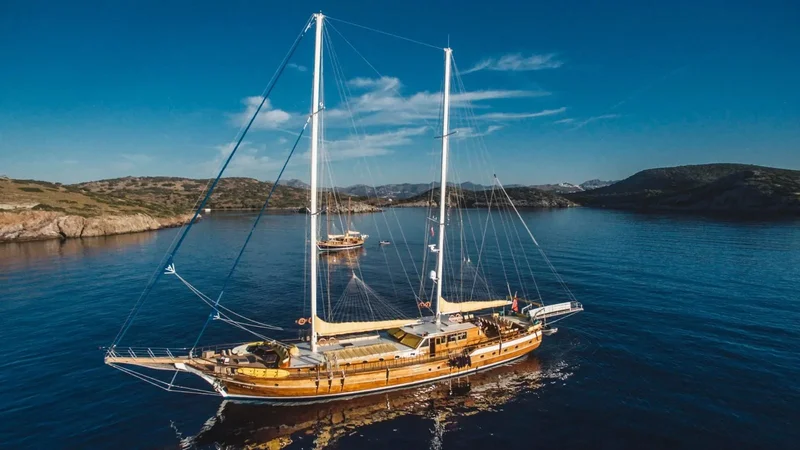
The Turkish answer to island hopping is a boat. A day trip from Antalya to Suluada, or a few nights on a traditional wooden gulet along the Fethiye coast, gets you to clear water and bays without roads. Our blue cruise tours list the gulet options.
One practical difference: a Turkish beach holiday can be combined with sightseeing in the same week without a flight. From Antalya, Aspendos is a day trip; from Bodrum, Ephesus is within reach by road. In Greece, combining islands with the big mainland sites usually means returning to Athens.
History: two stories that overlap
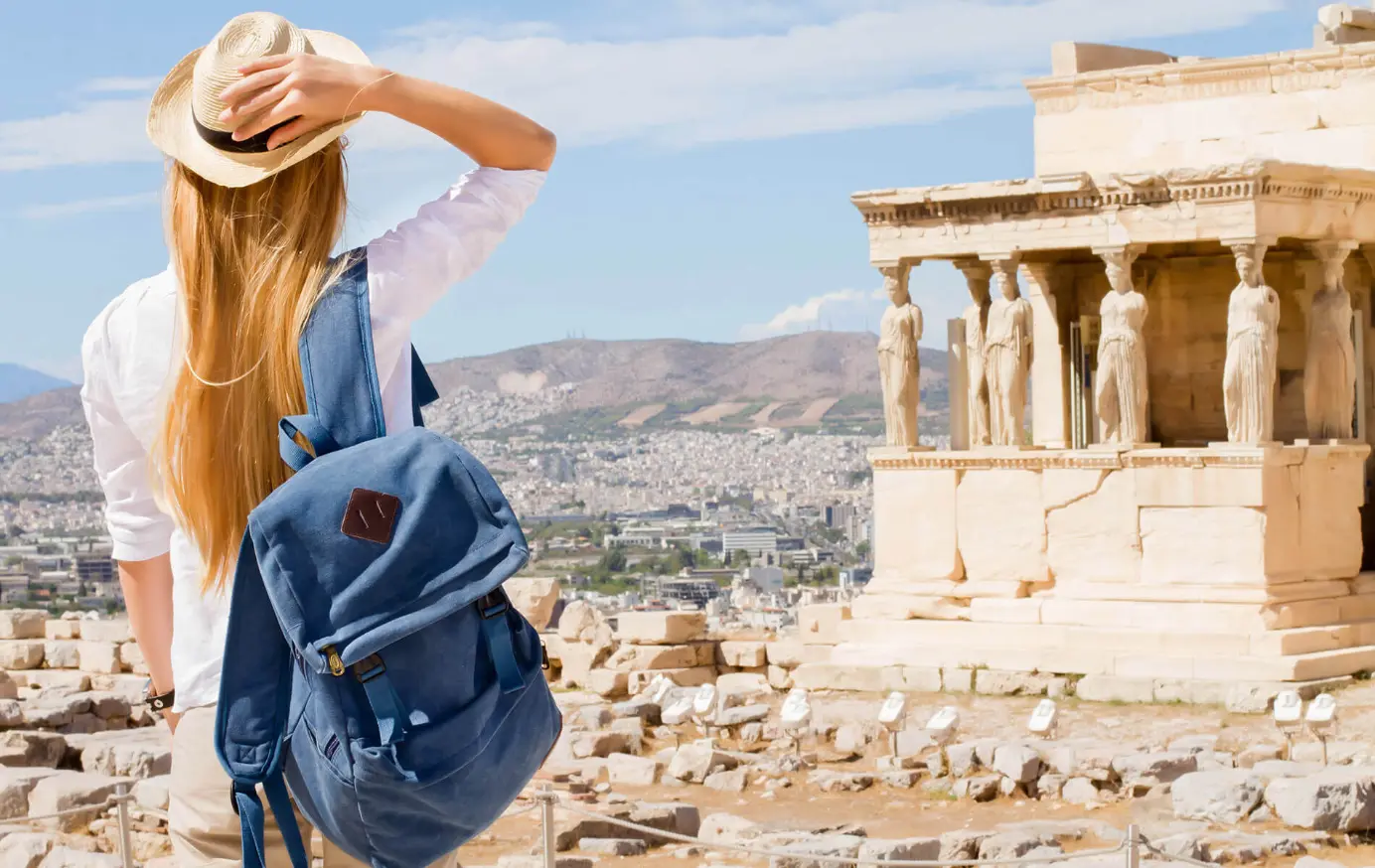
Greece is the place for classical Greece itself: the Acropolis in Athens, Delphi, Olympia and the Minoan palace of Knossos on Crete. If the Parthenon is the point of your trip, Greece is the answer.
Turkey covers a longer span. Göbeklitepe, in the southeast, is thousands of years older than the classical sites of Greece. Then come the Hittites, Troy, the Greek and Roman cities of the Aegean coast, Byzantine Constantinople, the Seljuks and the Ottoman Empire. Istanbul alone has Hagia Sophia, Topkapı Palace and the Basilica Cistern within walking distance of each other.
The two stories meet on Turkey's west coast. Many of the best-preserved ancient Greek cities are in Turkey, not Greece:
- Ephesus, with the Library of Celsus and its great theatre;
- Priene, Miletus and Didyma, three Ionian sites close together;
- the acropolis of Pergamon, with its steep hillside theatre;
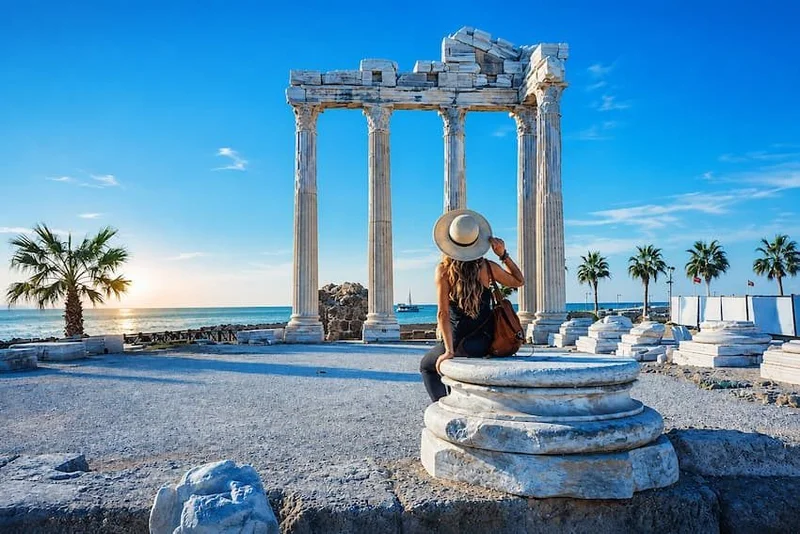
- Side, with a temple by the sea.
So a history lover is well served either way. Greece gives you the classical heartland; Turkey gives you classical cities plus several thousand years before and after.
Getting there and getting around
Turkey is large, so the classic route uses domestic flights. Istanbul is a major hub, and from there short flights reach Cappadocia, Izmir for Ephesus, and Antalya. A private car and driver handles the drives between Cappadocia, Pamukkale and Ephesus. Long-distance buses are good and cheap if you travel independently.
Greece works by ferry and short flights. Athens is the hub, and island ferries leave from Piraeus and other ports. In summer the choice of sailings is wide; out of season many routes run less often.
Between the two, Turkish Airlines and Aegean Airlines fly nonstop between Istanbul and Athens. There is also a short seasonal ferry between Samos and Kuşadası, the port for Ephesus. Our Greece and Turkey tour guide explains the crossings and the best order to visit.
Entry rules, money and phones
Visas. Turkey's Ministry of Foreign Affairs lists ordinary passport holders from the United States, the United Kingdom, Canada, Ireland and Australia as visa-free for tourist stays of up to 90 days in any 180-day period. Greece follows the Schengen rules: visa-free visitors from those countries can stay up to 90 days in any 180-day period across the whole Schengen area. Other nationalities should check both; our Turkey visa requirements update lists the main cases.
Schengen days. Turkey is not in the Schengen area, so days in Turkey do not count towards your Schengen 90 days. That matters for long trips around Europe.
Passports. Turkey asks for a passport valid at least 60 days beyond your permitted stay, so 150 days in total for a 90-day stay. For Greece, the UK government says a British passport must have been issued less than 10 years before you arrive and be valid for at least 3 months after you leave the Schengen area. The EU's Entry/Exit System is being rolled out at Schengen borders, so allow time at passport control.
Money and phones. Greece uses the euro and Turkey the Turkish lira. Cards are widely accepted in both, but keep some lira in cash for small shops and tips. Turkey is outside the EU roaming zone, so check your mobile plan or buy a local eSIM.
Time. Turkey stays on UTC+3 all year. Greece is on the same time in summer and one hour behind in winter.
When to go
| Months | Turkey | Greece |
|---|---|---|
| December to February | Istanbul quiet and cool; snow likely in Cappadocia; coast too cold for swimming | Athens fine for sightseeing; many island hotels and some ferries closed |
| March to May | Good for touring everywhere; sea still cool in early spring | Islands reopening; good for walking and ruins |
| June | Warm, long days; beach season under way | Beach season under way |
| July and August | Hot inland at Ephesus and Pamukkale; busiest on the coast | Peak season; busiest islands and ferries |
| September and October | Warm sea, comfortable touring, often the best balance | Warm sea, fewer crowds than summer |
| November | Istanbul and Cappadocia still good; coast quieter | Quiet; reduced ferry timetables |
If you can travel in May, June, September or early October, both countries are at their best. For a winter trip, Turkey has the edge, because Istanbul and Cappadocia work all year. Our best time to visit Turkey guide gives the Turkish side month by month.

Why not both?
Istanbul and Athens are close by air, so a two-country trip of nine days or more is easy to plan. A common shape is Istanbul and Cappadocia first, then Athens and one or two islands, finishing with a beach. If you are arriving or leaving by ship, our Athens to Istanbul cruise page covers what to do at the Istanbul end.
The deciding question is how much time you have. With a week, choose one country. With ten days or more, combining them gives you the classical heartland and Istanbul in one trip.
Tours that cover this
- Turkey and Greece Tour Package: 9 Days, Istanbul to Santorini: from $3,165 per person.
- Turkey and Greece Private Tour 9 Days: Istanbul, Cappadocia, Athens: from $3,730 per person.
- Istanbul and Antalya Tour Package: 8 Days with Flight and Suluada: from $1,980 per person. Turkey only, city plus beach.
- Private 8-day Turkey tour package: from $2,250 per person. Istanbul, Cappadocia, Ephesus and Pamukkale.
Frequently Asked Questions
Is Turkey cheaper than Greece for a holiday?
Usually, for day-to-day spending. Local restaurants, buses and Istanbul's public transport tend to cost less in Turkey. Hotels and museum tickets in Turkey are no longer cheap, though, with Hagia Sophia at €25 and Ephesus at €40. Compare the same hotel standard and the same activities before deciding.
Which has better beaches, Turkey or Greece?
It depends on the beach holiday you want. Greece offers island variety and ferry hopping. Turkey's beaches are on the mainland, around Antalya, Fethiye and Bodrum, with boat trips to islands and coves. Turkey makes it easier to mix beach days with major ancient sites without a flight.
Is Turkey or Greece better for history?
Both are excellent. Greece is the heartland of classical Greece, with the Acropolis, Delphi and Olympia. Turkey has classical cities such as Ephesus and Pergamon, plus Göbeklitepe, Troy, Byzantine Istanbul and the Ottoman era. For the widest span of history in one trip, Turkey covers more.
Do I need a visa for Turkey if I have been to Greece?
No, a Schengen stay does not affect Turkish entry. Turkey applies its own rules by nationality. Ordinary passport holders from the US, UK, Canada, Ireland and Australia can visit Turkey visa-free for up to 90 days in any 180-day period, according to Turkey's Ministry of Foreign Affairs.
Do days in Turkey count towards the Schengen 90 days?
No. Turkey is not part of the Schengen area, so time spent there does not count towards the 90 days in any 180-day period that visa-free visitors may spend in Greece and other Schengen countries. Travellers on long European trips sometimes use Turkey for that reason.
Can I visit Turkey and Greece in one trip?
Yes. Turkish Airlines and Aegean Airlines fly nonstop between Istanbul and Athens, and a seasonal ferry links Samos with Kuşadası near Ephesus. Nine to fourteen days lets you see Istanbul, Cappadocia, Athens and one or two islands without rushing. Our Turkey and Greece packages start from $3,165 per person.
Which is better in winter, Turkey or Greece?
Turkey is usually the better winter choice. Istanbul's museums, mosques and Bosphorus work all year, and Cappadocia often has snow on its rock formations. Greece's islands go quiet in winter, with fewer ferries and many hotels closed, although Athens is fine for sightseeing.
Is Turkey safe compared with Greece?
Both receive millions of tourists a year without trouble. The UK government advises against all travel only to within 10 km of Turkey's border with Syria, far from the usual tourist routes. Take normal city precautions in Istanbul and Athens, and check your government's travel advice before you go.
How many days do I need in Turkey compared with Greece?
For Turkey, plan at least seven days to cover Istanbul, Cappadocia and Ephesus, using domestic flights. Ten days lets you add the coast. For Greece, a week usually covers Athens and two islands. Combining both countries works best with ten days or more.
Sources: Republic of Türkiye Ministry of Foreign Affairs, visa information for foreigners (mfa.gov.tr); UK Foreign, Commonwealth and Development Office travel advice for Greece and Turkey (gov.uk); Republic of Türkiye Ministry of Culture and Tourism museum prices (muze.gov.tr); Metro Istanbul fares (metro.istanbul); Turkish Airlines and Aegean Airlines schedules — checked 6 November 2026.
Private tours in Turkiye
Istanbul and Antalya Tour Package: 8 Days with Flight and Suluada
Old City sights and a dinner cruise on the Bosphorus in Istanbul, then Antalya by air for Kaleici, the Duden Waterfalls and a Suluada boat day.
Turkey Tour Package 8 Days: Istanbul, Cappadocia, Ephesus & Pamukkale
Fly between Istanbul, Cappadocia, Ephesus and Pamukkale over eight days, staying in 4 and 5 star hotels with breakfast every morning.
Related guides
- Two-Week Turkey Round Trip from the Netherlands, Ending in Antalya
- Türkei Gruppenreise for Clubs in 2027: Dates, Programmes, Quotes
- Türkei Rundreise 2027: Matching Your Ferien to the Right Route
- UK Easter Holidays 2027 in Turkey: Istanbul, Ephesus, Cappadocia
- UK to Turkey Tour Packages: Flights, Entry Rules and Prices
- Umrah Plus Turkey 2027: The Istanbul Leg, Ziyarah Days and Saudi Dates
- University Group Tour of Turkey: Planning a Faculty-Led Study Tour
- White-Label Turkey Tours for Agencies: How Your Brand Stays in Front
- Winter Holidays in Turkey: Choosing Between City, Snow and Coast
- 10-Day Turkey Tour from the USA: Istanbul, Cappadocia, Ephesus
- 15 Days in Turkey for Gulf Families: A Green Route and a Sea Route
- 2 Weeks in Turkey: Four 14 and 15-Day Routes Compared