

 Istanbul in winter
Things to Do in Istanbul in Winter: Weather, Indoor Sights, Tours
Winter in Istanbul is mild but wet: highs of 10-12°C, lows of 4-7°C and rain on 14-16 days a month. Every sight stays open, queues are short and hotels are cheaper.
Istanbul in winter is mild but wet. From December to February, daytime highs average 10°C to 12°C and nights 4°C to 7°C, with rain on 14 to 16 days a month, according to the Turkish State Meteorological Service (MGM). Every major museum, mosque, palace and bazaar stays open, the queues are the shortest of the year and hotel rates drop. The trade-off is short days: the sun sets at around 17:40 in December. Plan your winter days around indoor sights and a few bright hours outside, which is how our Istanbul Old City private tour is run from December to February, from $200 per person.
This page covers the weather month by month, the indoor sights that carry a winter trip, how the Bosphorus behaves in the cold, seasonal food, the holidays, and the day trips that are actually better in winter.
Winter weather, month by month
| Month | Average high | Average low | Rainfall | Rainy days | Sea of Marmara | Sunrise / sunset (mid-month) |
|---|---|---|---|---|---|---|
| December | 11.8°C | 6.5°C | 99 mm | 16 | 12°C | 08:22 / 17:37 |
| January | 9.6°C | 4.2°C | 89 mm | 16 | 9°C | 08:27 / 17:59 |
| February | 10.2°C | 4.2°C | 71 mm | 14 | 8°C | 07:59 / 18:37 |
| March | 12.4°C | 5.5°C | 62 mm | 13 | 9°C | 07:17 / 19:10 |
The temperatures and rainfall are MGM's long-term averages for the Istanbul station, 1950 to 2025, and the sea temperatures are MGM's Sea of Marmara averages. December is the wettest month of the year. January and February are the coldest, and the record lows for those months are below freezing, down to −9°C in February. Snow falls on a few days in most winters, often in January or February, and it can stop traffic for a day before melting.
Wind matters as much as temperature. The northerly poyraz makes a 9°C day feel much colder, especially on a ferry deck, while the southwesterly lodos brings milder, damp air and rough water that can cancel some ferry sailings for a few hours.
Is winter a good time to visit?
It depends on what you want from the trip.
Why winter works:
- The shortest queues of the year at Hagia Sophia, Topkapı Palace and the Basilica Cistern.
- Lower hotel rates, outside the Christmas and New Year week.
- The city as locals live it: steaming tea glasses, roasted chestnuts on the street corners and full fish restaurants.
- Easy combinations with snow in Cappadocia or skiing on Uludağ.
Why it might not:
- Grey skies and frequent rain. You will get wet at least once.
- Short days. You can fit two or three main sights into a day rather than four or five.
- The Princes' Islands and Bosphorus villages are quiet, and some seasonal cafés close.
If sunshine is the priority, see our guide to the best time to visit Istanbul. For the shoulder month before winter, there is Istanbul in November.
Indoor sights for cold or wet days
Most of Istanbul's great sights are under a roof, which is why the city handles winter well.
- Hagia Sophia. Foreign visitors pay €25 for the upper galleries and their Byzantine mosaics. In winter the line moves quickly.
- Topkapı Palace. The courtyards are outdoors, but the Harem, the Treasury and the relic rooms are inside. Closed on Tuesdays.
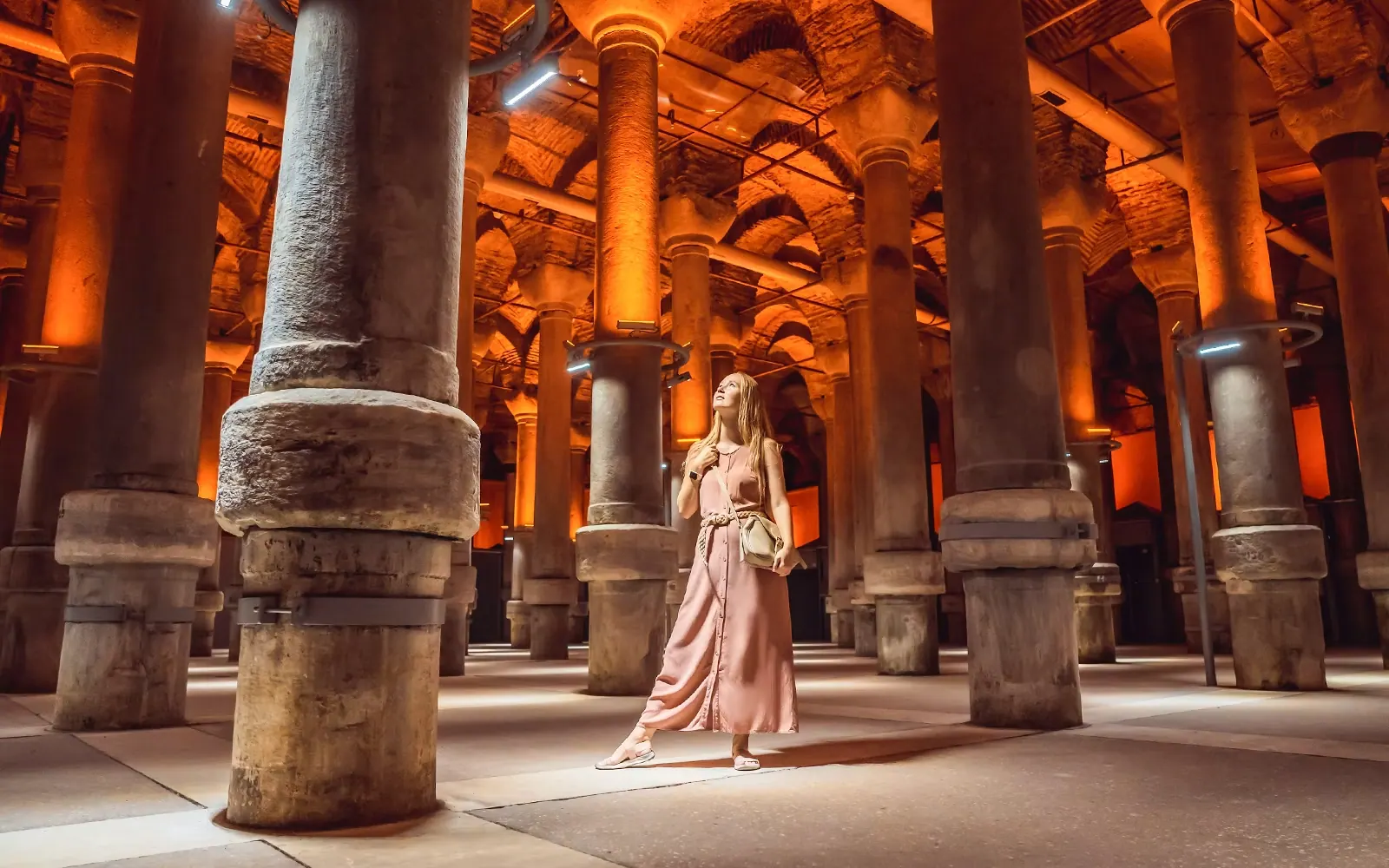
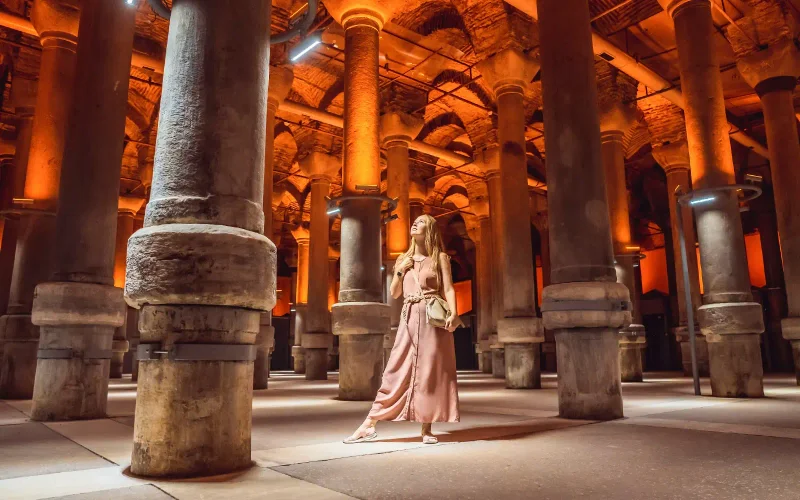
- The Basilica Cistern. Underground and atmospheric, and the same temperature in any weather.
- The Istanbul Archaeology Museums. Three buildings next to Topkapı, with the Alexander Sarcophagus and finds from across the old empire. Often almost empty on a winter weekday.
- The Grand Bazaar. Around 60 covered lanes and the best rainy-afternoon walk in the city. Closed on Sundays.
- Dolmabahçe Palace. The 19th-century palace on the Bosphorus, a visit that is almost entirely indoors. Closed on Mondays.
- Modern art. Istanbul Modern in Karaköy and the Pera Museum in Beyoğlu for a different side of the city.
- A hammam. The traditional way to warm up after a cold, wet afternoon.
Mosques are also a good wet-weather stop. They are free, warm and carpeted, but remember that each prayer time closes them to visitors for about an hour.
The Bosphorus in winter
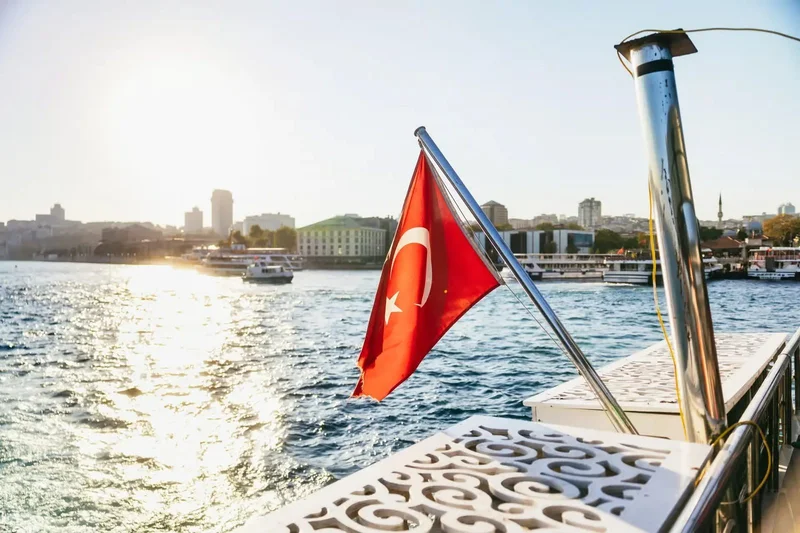
Boats run all winter. Public ferries keep their normal timetables, and sightseeing cruises, lunch and dinner cruises and private yachts operate year round. The light on a clear winter day is sharp and the water is quiet, with far fewer boats than in summer.
Three practical tips:
- Choose a boat with an enclosed saloon. On a dinner cruise you eat inside with the lit shoreline outside the windows. On a private yacht, check that there is a heated cabin.
- Leave a spare day. A strong lodos or a storm can cancel sailings, so do not plan your only cruise for the last evening of the trip.
- Dress for the wind. A hat and gloves on deck, even when the street feels mild.
Winter food and drink
Winter is one of the best seasons to eat in Istanbul.
- Hamsi. Black Sea anchovies, at their best in the cold months, fried in cornmeal or baked with rice.
- Salep. A hot milk drink thickened with orchid root flour and dusted with cinnamon.
- Boza. A thick, slightly sour fermented millet drink, served with roasted chickpeas and cinnamon. Vefa Bozacısı, near Süleymaniye, has served it since 1876.
- Roasted chestnuts. Sold from carts on İstiklal Avenue, at Eminönü and outside the bazaars.
- Soup. Red lentil soup (mercimek) in any lokanta, at any time of day.
A guided street food tour, from $90 per person, spends most of its six hours moving between warm kitchens and cafés.
Christmas, New Year and Ramadan
Christmas is not a public holiday in Türkiye, and the city carries on as normal. Churches hold services, including the Catholic Church of St Anthony of Padua on İstiklal Avenue, and the big hotels and shopping centres put up decorations for the New Year.
New Year's Eve is the big winter night. Crowds gather in the central squares and along the Bosphorus, and many people watch the fireworks over the water from a boat. Public transport hours are often extended for the night. Book New Year's Eve dinners and cruises well ahead, because hotel and boat prices rise for that week.
Ramadan 2027 starts on 8 February and ends with the Ramazan Bayramı holiday on 9 to 11 March. Sights and restaurants stay open as usual, and the evening iftar meal brings a festive atmosphere to Sultanahmet after sunset. On the first day of the holiday, some museums open late or stay closed.
Day trips that are better in winter
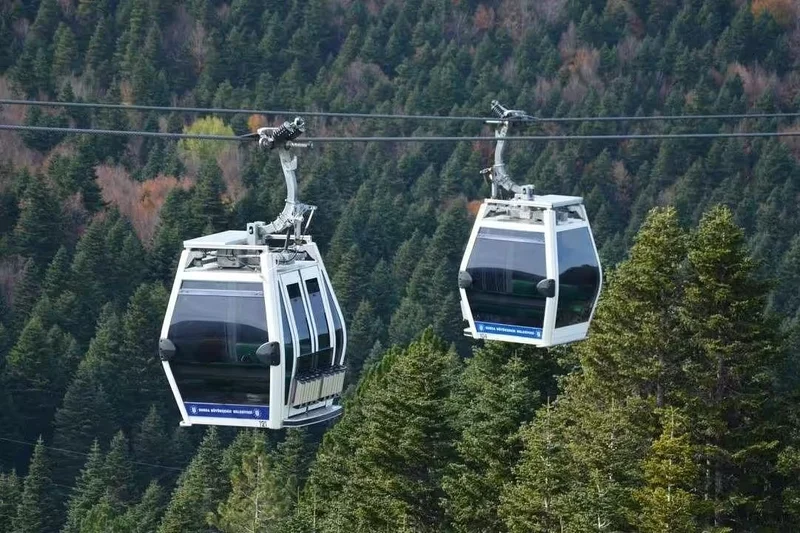
Bursa and Uludağ. A ferry across the Sea of Marmara, the old Ottoman capital of Bursa, and a cable car of about 9 km up Uludağ, one of Türkiye's main ski areas. The ski season depends on snow and usually runs from late December into March; in the 2025 to 2026 season the slopes opened on 29 December.
Cappadocia by plane. A short flight away, the fairy chimneys under snow are one of the best winter sights in Türkiye. Balloon flights depend on the weather and are cancelled more often in winter, so allow two mornings if a balloon is the main reason for the trip.
For more on winter across the country, see our blog on Turkey in winter.
Tours that cover this
- Istanbul Old City Private Tour: Hagia Sophia, Topkapı and Grand Bazaar, from $200 per person. Mostly indoors, reordered around the weather.
- Bursa and Uludağ Tour from Istanbul: Ferry, Cable Car and Lunch, from $90 per person.
- New Year's Eve Bosphorus Party Cruise 2027 with Dinner and Show, from $224 per person.
- Cappadocia 2-Day Trip from Istanbul with Flights and a Cave Hotel Night, from $599 per person.
Frequently Asked Questions
Does it snow in Istanbul in winter?
Yes, on a few days in most winters, usually in January or February. Snow rarely lasts long in the city centre, but a heavy fall can slow traffic and ferries for a day or two. The long-term record low is −9°C in February. More often, winter means cold rain and wind, with daytime highs around 10°C.
What is the coldest month in Istanbul?
January and February are the coldest months. MGM's long-term averages are a daytime high of 9.6°C in January and 10.2°C in February, with night-time lows of about 4°C in both. February is slightly drier, with about 14 rainy days against 16 in January. Wind off the Black Sea makes it feel colder.
Is Istanbul worth visiting in winter?
Yes, if you come for history, food and museums rather than sun. Queues at Hagia Sophia, Topkapı and the Basilica Cistern are the shortest of the year, hotels are cheaper outside New Year, and the city feels local. Expect rain, short days and cold wind on the water, and plan two or three main sights a day.
Do Bosphorus cruises run in winter?
Yes. Public ferries, sightseeing cruises, dinner cruises and private yachts all run through the winter. Choose a boat with an enclosed or heated cabin and dress warmly for time on deck. Storms and strong lodos winds occasionally cancel sailings for a few hours, so keep a spare day in your plan.
What should I wear in Istanbul in winter?
A warm waterproof coat, layers you can remove indoors, and shoes with good grip for wet stone streets. Bring a hat and gloves for the ferries and any evening cruise. Women also need a scarf to cover their hair in mosques, and everyone should cover shoulders and knees, which is easy in winter clothing.
What is open in Istanbul at Christmas?
Everything. Christmas is not a public holiday in Türkiye, so museums, palaces, bazaars and restaurants keep their normal hours. The usual weekly closures still apply: Topkapı Palace on Tuesdays, Dolmabahçe Palace on Mondays and the Grand Bazaar on Sundays. Churches such as St Anthony of Padua hold Christmas services.
Sources: Turkish State Meteorological Service (MGM) Istanbul long-term statistics 1950-2025 and Sea of Marmara water temperature statistics (mgm.gov.tr), Republic of Türkiye Ministry of Culture and Tourism (muze.gov.tr), Presidency of Religious Affairs 2027 religious days calendar, Bursa Uludağ ski season reports, sunrise and sunset calculated for Sultanahmet with the NOAA solar method — checked 6 November 2026.
Private tours in Istanbul
Istanbul Old City Private Tour: Hagia Sophia, Topkapi & Grand Bazaar
One private day with your own guide through Istanbul's top Byzantine and Ottoman sights, starting at Topkapi Palace and ending in the Grand Bazaar.
Istanbul Street Food Tour: Local Neighbourhoods, Baklava and Coffee
Walk through real Istanbul neighbourhoods and markets with a local food guide, tasting street food, baklava, Turkish tea and coffee along the way.
More things to do in Istanbul
- Things to Do in Istanbul: Sights, Neighbourhoods and Local Tips
- Things to Do in Sultanahmet: Old City Sights in Walking Order
- Things to Do on the Bosphorus: Cruises, Villages, Palaces and Forts
- Things to Do in Istanbul at Night: An Area-by-Area Guide
- Things to Do in Galata, Karaköy and Beyoğlu: A Walking Route
- Things to Do in Kadıköy: Moda, Market Streets and the Asian Side
- Things to Do in Balat and Fener: Golden Horn Streets and Churches
- Free Things to Do in Istanbul: What Costs Nothing in 2026
- Romantic Things to Do in Istanbul: Sunsets, Boats and Dinners
- Things to Do in Istanbul with Kids: Family Plans That Work
- Unusual Things to Do in Istanbul: Iron Church, Old Walls, 1875 Tünel
- Things to Do in Istanbul When It Rains: A Full Day Under Cover
- Things to Do in Istanbul in Summer: Heat, Islands and Evenings
- Things to Do in Istanbul in December and on New Year's Eve
- Ramadan in Istanbul 2027: Dates, Iftar, Mosque Visits and Eid
Related guides
- Things to Do in Istanbul with Kids: Family Plans That Work
- Things to Do in Istanbul: Sights, Neighbourhoods and Local Tips
- Things to Do in Kadıköy: Moda, Market Streets and the Asian Side
- Things to Do in Sultanahmet: Old City Sights in Walking Order
- Things to Do on the Bosphorus: Cruises, Villages, Palaces and Forts
- Topkapı Palace Guided Tour: Harem, Treasury and 2026 Tickets
- Touristanbul: Is Turkish Airlines' Free Layover Tour Worth It?
- Turkey Teeth Cost: What Sets the Price of Implants, Veneers, Crowns
- Turkish Airlines Free Istanbul Tour: Touristanbul Rules and Times
- Turkish Airlines Stopover in Istanbul from the USA: Free Hotel Rules
- Turkish Bath Prices in Istanbul: Six Historic Hammams Compared
- Turkish Cooking Class in Istanbul: Market, Kitchen and What You Cook