

 Istanbul city guide
Things to Do in Istanbul: Sights, Neighbourhoods and Local Tips
Start with Hagia Sophia, the Blue Mosque and Topkapı Palace, then a Bosphorus boat, the Grand Bazaar and an evening in Galata or Kadıköy. That takes two full days.
The best things to do in Istanbul are the three great Old City sights (Hagia Sophia, the Blue Mosque and Topkapı Palace), a boat trip on the Bosphorus, an afternoon in the Grand Bazaar, and an evening in Galata or Kadıköy. That list fills two full days. With more time, add the side streets of Balat, the Chora mosaics, Dolmabahçe Palace and a day out to the Princes' Islands. Below is how a local operator would rank them, what each costs to enter in 2026 and which day each one is closed. If you want the core sights done in one day with a guide who handles the order and the queues, see our Istanbul Old City private tour.
The short list: what to do first
If you only remember one table from this page, use this one. Times include walking between sites, not just time inside.
| What to do | Area | Time to allow | Entry for foreign visitors (2026) | Closed |
|---|---|---|---|---|
| Hagia Sophia (upper galleries) | Sultanahmet | 1 hour | €25 | Pauses at prayer times |
| Blue Mosque | Sultanahmet | 30-45 minutes | Free | Pauses at prayer times |
| Topkapı Palace, Harem and Hagia Irene | Sultanahmet | 2.5-3 hours | 2,750 TL combined ticket | Tuesdays |
| Basilica Cistern | Sultanahmet | 45 minutes | Own ticket, paid in lira | Open daily |
| Grand Bazaar and Spice Bazaar | Beyazıt / Eminönü | 2-3 hours | Free | Grand Bazaar shut on Sundays |
| Bosphorus boat trip | Eminönü / Kabataş | 1.5-3 hours | Ferry fare or cruise ticket | Runs daily |
| Dolmabahçe Palace | Beşiktaş | 2 hours | 2,000 TL | Mondays |
| Galata Tower | Karaköy | 1 hour with queue | €30 | Open daily |
| Chora (Kariye) mosaics | Edirnekapı | 1 hour | €20 | Pauses at prayer times |
Two points save visitors the most trouble. The Museum Pass Istanbul (€105 for five days) does not cover Hagia Sophia, the Basilica Cistern or Dolmabahçe Palace, so add up the sites you will actually visit before buying it. And Tuesday (Topkapı), Monday (Dolmabahçe) and Sunday (Grand Bazaar) closures decide which day each sight goes on.
Old City sights in Sultanahmet
Sultanahmet is where most first visits start, and for good reason: four of the city's top sights stand within a ten-minute walk of each other.
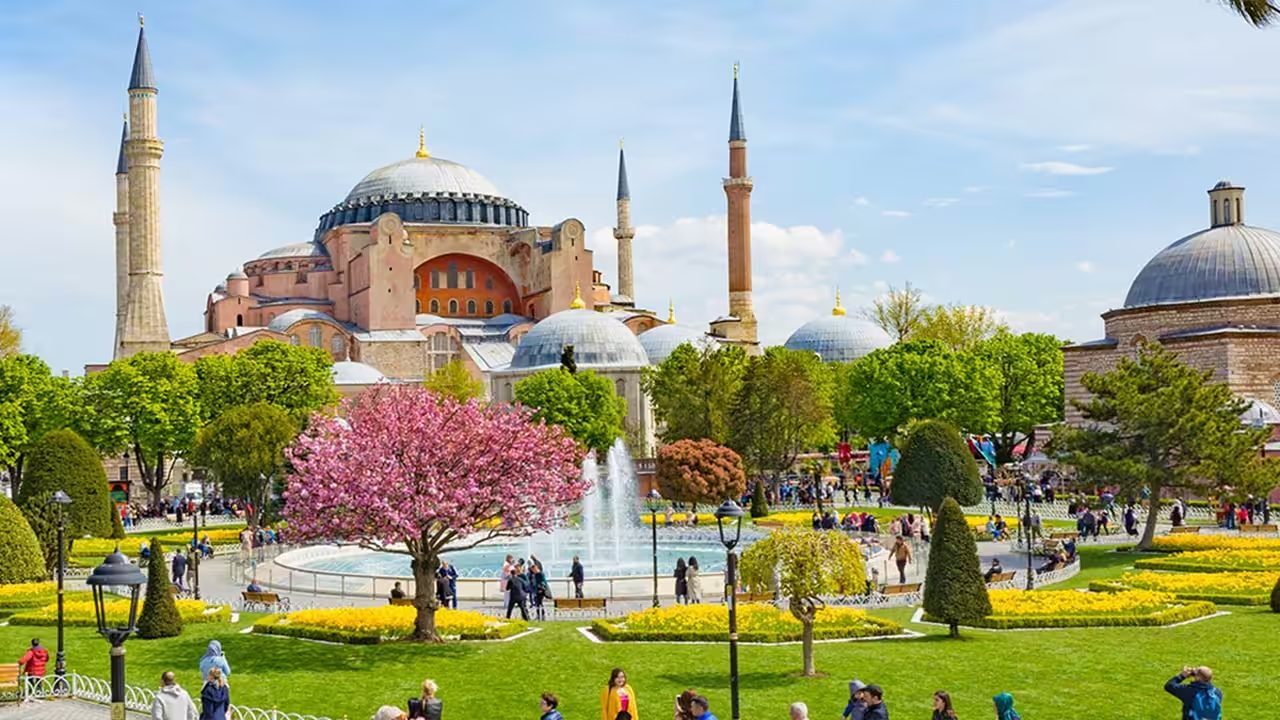
Hagia Sophia was completed in 537 under Emperor Justinian and is now a working mosque. Foreign visitors use a separate entrance and walk the upper galleries, looking down into the prayer hall and up into the dome. Go at opening time, before tour groups and before the midday prayer. Our Hagia Sophia ticket price page covers the entry rules in detail.
The Blue Mosque (Sultan Ahmed Mosque) faces it across the square and is free. It closes to visitors for each prayer, so check the day's prayer times and arrive between them. Women cover their hair and shoulders; men wear long trousers.
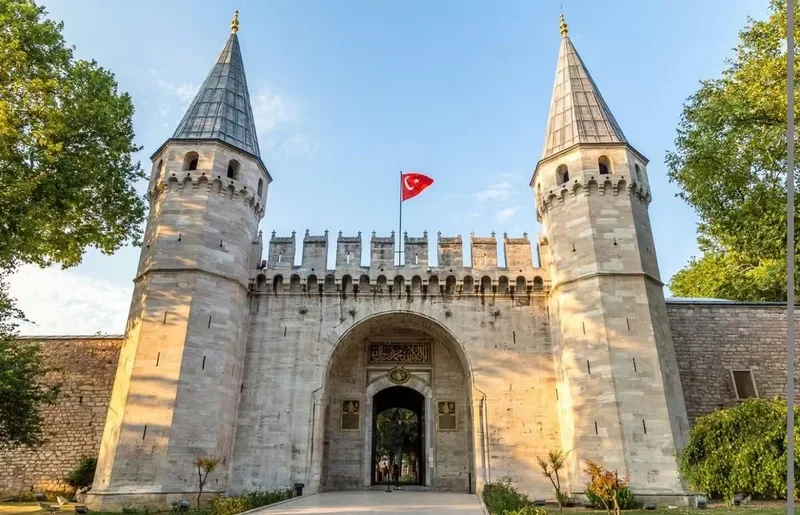
Topkapı Palace was the home of the Ottoman sultans for around four centuries. One combined ticket now covers the palace courtyards, the Harem and Hagia Irene. Plan at least two and a half hours, and never on a Tuesday, when it is closed. The Harem is the part most people rush; it is worth slowing down for the tiled rooms.
The Basilica Cistern is a 6th-century underground reservoir with 336 columns and two Medusa heads used as column bases. It is a good stop for the hottest part of the day.
If you have time left, the Hippodrome with its Egyptian obelisk and the Turkish and Islamic Arts Museum, known for its carpet collection, sit on the same square.
On the water: the Bosphorus and the Golden Horn
Istanbul makes more sense from the water. The Bosphorus divides Europe from Asia, and a boat trip shows the palaces, mosques, wooden mansions and fortresses that line both shores.
You have three realistic ways to do it:
- Public ferry. The cheapest option. Commuter ferries cross from Eminönü or Karaköy to Kadıköy in about 20 minutes, and the scenic long Bosphorus line runs up to the Black Sea end. Pay with an Istanbulkart.
- Shared cruise. A lunch or sightseeing cruise with a set route and hotel pickup. Easy, and you see the main landmarks with commentary.
- Private yacht. Your own boat for two hours or more, with your choice of route and stops. Best for couples, families and sunset.
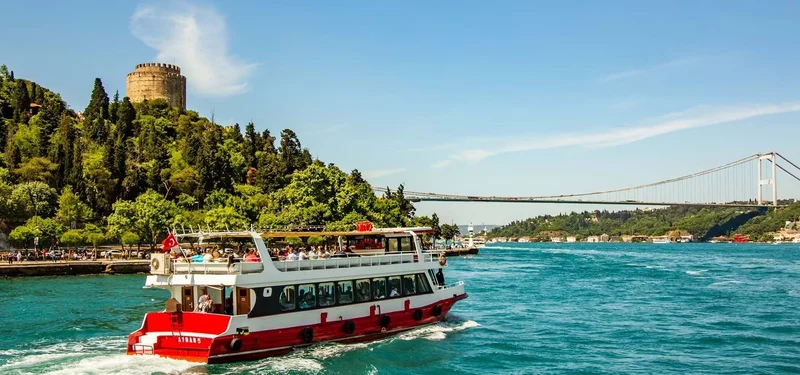
From the water you pass Dolmabahçe Palace, Ortaköy Mosque under the first bridge and Rumeli Fortress, built in 1452 before the Ottoman conquest. Dolmabahçe is worth a visit on land too: its crystal staircase and the room where Atatürk died in 1938 are kept as they were. Book it for any day except Monday.
Neighbourhoods worth a half day
The big sights are only half of Istanbul. The other half is walking through neighbourhoods where people live, shop and eat.
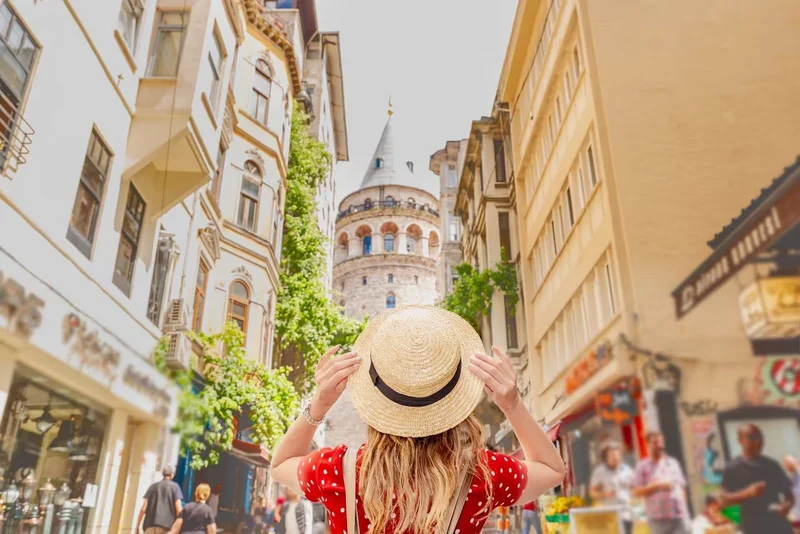
Galata and Karaköy. Cross the Galata Bridge on foot, past the anglers, and climb the steep lanes to the Galata Tower. The 14th-century Genoese tower has a viewing balcony over the Golden Horn. The queue is shortest early in the morning. From there, walk up to Istiklal Avenue and the old tram line to Taksim.
Balat and Fener. Colourful wooden houses, antique shops and small cafés along the Golden Horn. Balat and Fener also hold the Greek Orthodox Patriarchate and the Bulgarian iron church. Combine it with the Chora mosaics, 14th-century Byzantine mosaics and frescoes now inside the Kariye Mosque, about 20 minutes' walk uphill.
Kadıköy and Moda. Take the ferry to the Asian side for the food market streets of Kadıköy and the seafront at Moda, where locals walk at sunset. This is the easiest way to see everyday Istanbul away from tour groups.
Süleymaniye. The Süleymaniye Mosque, built by the architect Sinan in the 1550s, stands on the hill above the bazaars and has one of the best free views over the Golden Horn from its back terrace.
Food, coffee and evenings
Eating is one of the main things to do in Istanbul, not a break between sights. A few things to try at least once:
- A fish sandwich at Eminönü and a simit (sesame bread ring) from a street cart for breakfast.
- Kebab and lahmacun in a simple lokanta, the kind of place that serves ready-cooked dishes at lunch.
- Baklava and Turkish coffee in Karaköy, and a long Turkish breakfast on a weekend morning.
- Mezes and fish on the Asian side or along the upper Bosphorus.
If you want someone to choose the places and explain the dishes, a street food tour covers several neighbourhoods in about six hours.
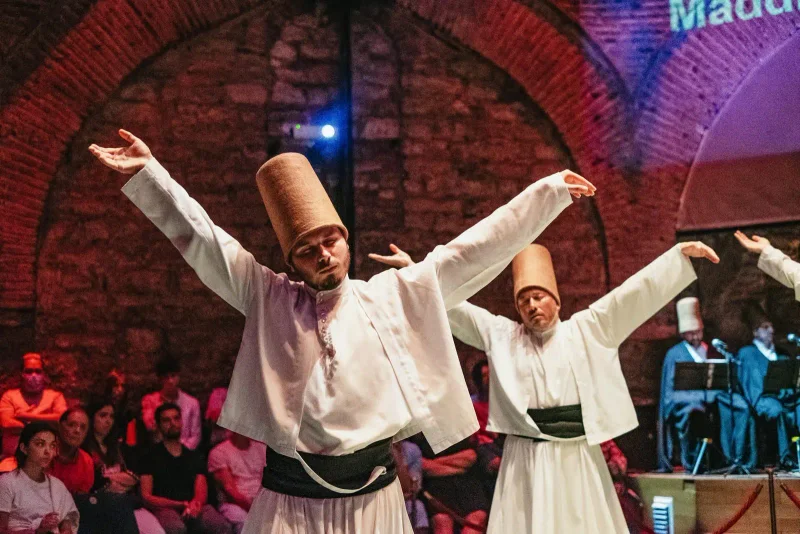
For evenings, three choices stand out. A whirling dervish Sema ceremony lasts about an hour and is a religious ritual rather than a show, so it is watched in silence. A Bosphorus dinner cruise combines the lit-up bridges with dinner and a folk and belly dance programme. Or simply go to a rooftop in Sultanahmet or Galata for the call to prayer at sunset.
Easy day trips from the city
If you have four days or more, one day outside the centre gives the trip a change of pace.
- Princes' Islands. The public ferry from Kabataş to Büyükada takes about 90 minutes. The islands are car-free; you get around on foot, by bicycle or on small electric buses. Wooden Ottoman-era mansions, pine woods and seafood by the pier.
- Bursa. The first Ottoman capital, south of the Sea of Marmara. A day covers the Green Mosque and Green Tomb, the old silk market and the 8.8-kilometre gondola up Uludağ.
Our Istanbul day trips page lists more options, including Sapanca and the Black Sea coast.
Planning tips: closing days, tickets and getting around
- Plan around closures. Topkapı on Tuesday, Dolmabahçe and Istanbul Modern on Monday, the Grand Bazaar on Sunday. Friday midday is the longest pause at Hagia Sophia and the Blue Mosque.
- Buy an Istanbulkart. One card works on the tram, metro, buses, funiculars and ferries, and several people can share it by tapping in turn.
- Use the tram in the Old City. The T1 tram links Sultanahmet, Eminönü, Karaköy and Kabataş, which covers most first-day movements.
- Dress for mosques. Carry a scarf and something to cover your knees so you are not turned away or queuing for a loaner.
- Pay entry in the right currency. Some state sites quote in euros, others in lira; cards are accepted at the main ticket offices.
Tours that cover this
- Istanbul Old City Private Tour: Hagia Sophia, Topkapı and Grand Bazaar, from $200 per person. A licensed guide, the main Sultanahmet sights in the right order, six to eight hours.
- Private Istanbul Tour with a Licensed Guide: 1, 2 or 3 Days, from $199 per group. Build the days around the list above.
- Bosphorus Lunch Cruise with Hotel Pick-up, from $75 per person. The easiest way to see both shores.
- Istanbul Street Food Tour: Local Neighbourhoods, Baklava and Coffee, from $90 per person.
Frequently Asked Questions
What is the number one thing to do in Istanbul?
Visiting Hagia Sophia is the single most important thing to do in Istanbul for most first-time visitors. The building is almost 1,500 years old and shows both its Byzantine and Ottoman past. Go at opening time to avoid the queues, and pair it with the Blue Mosque across the square, which is free.
How many days do you need in Istanbul?
Three days is enough for the main sights: one day for Sultanahmet, one for the bazaars and the Bosphorus, and one for Galata, Balat or the Asian side. Four or five days let you slow down and add a day trip to the Princes' Islands or Bursa. Two days works only if you accept a fast pace.
What can you do in Istanbul for free?
Many of the best things are free. The Blue Mosque, the Süleymaniye Mosque and the Rüstem Pasha Mosque charge no entry, and neither do the Grand Bazaar and the Spice Bazaar. Walking across the Galata Bridge, exploring Balat and Kadıköy, and watching sunset from Moda cost nothing beyond a ferry fare.
Is Istanbul worth visiting in winter?
Yes. Winter means shorter queues at Hagia Sophia and Topkapı, lower hotel prices, and cosy evenings with tea and soup. The weather is cool and often rainy, so plan indoor sights such as the Basilica Cistern, the palaces and the museums for wet days. Bosphorus ferries run all year.
What should I avoid doing in Istanbul?
Avoid planning Topkapı on a Tuesday, Dolmabahçe on a Monday or the Grand Bazaar on a Sunday, because all three are closed. Do not enter mosques during prayer or without covered shoulders and knees. Use licensed taxis or apps, and be cautious with friendly strangers who invite you to a bar near Taksim.
Is a guide worth it in Istanbul?
A licensed guide is most useful in the Old City, where Hagia Sophia, Topkapı and the Blue Mosque each have their own rules, queues and prayer pauses. A guide plans the order of the day, explains what you are looking at and saves time at entrances. For neighbourhoods like Kadıköy or Galata, walking on your own works well.
Sources: Republic of Türkiye Ministry of Culture and Tourism (muze.gov.tr) and Museum Pass Istanbul tariff, National Palaces Administration (millisaraylar.gov.tr), Kariye Mosque visitor notice, Istanbul Modern (istanbulmodern.org), Şehir Hatları ferry timetables, Hürriyet Daily News on Princes' Islands transport, Bursa Metropolitan Municipality — checked 6 November 2026.
Private tours in Istanbul
Istanbul Old City Private Tour: Hagia Sophia, Topkapi & Grand Bazaar
One private day with your own guide through Istanbul's top Byzantine and Ottoman sights, starting at Topkapi Palace and ending in the Grand Bazaar.
Istanbul Street Food Tour: Local Neighbourhoods, Baklava and Coffee
Walk through real Istanbul neighbourhoods and markets with a local food guide, tasting street food, baklava, Turkish tea and coffee along the way.
More things to do in Istanbul
- Things to Do in Sultanahmet: Old City Sights in Walking Order
- Things to Do on the Bosphorus: Cruises, Villages, Palaces and Forts
- Things to Do in Istanbul at Night: An Area-by-Area Guide
- Things to Do in Galata, Karaköy and Beyoğlu: A Walking Route
- Things to Do in Kadıköy: Moda, Market Streets and the Asian Side
- Things to Do in Balat and Fener: Golden Horn Streets and Churches
- Free Things to Do in Istanbul: What Costs Nothing in 2026
- Romantic Things to Do in Istanbul: Sunsets, Boats and Dinners
- Things to Do in Istanbul with Kids: Family Plans That Work
- Unusual Things to Do in Istanbul: Iron Church, Old Walls, 1875 Tünel
- Things to Do in Istanbul When It Rains: A Full Day Under Cover
- Things to Do in Istanbul in Winter: Weather, Indoor Sights, Tours
- Things to Do in Istanbul in Summer: Heat, Islands and Evenings
- Things to Do in Istanbul in December and on New Year's Eve
- Ramadan in Istanbul 2027: Dates, Iftar, Mosque Visits and Eid
Related guides
- Things to Do in Kadıköy: Moda, Market Streets and the Asian Side
- Things to Do in Sultanahmet: Old City Sights in Walking Order
- Things to Do on the Bosphorus: Cruises, Villages, Palaces and Forts
- Topkapı Palace Guided Tour: Harem, Treasury and 2026 Tickets
- Touristanbul: Is Turkish Airlines' Free Layover Tour Worth It?
- Turkey Teeth Cost: What Sets the Price of Implants, Veneers, Crowns
- Turkish Airlines Free Istanbul Tour: Touristanbul Rules and Times
- Turkish Airlines Stopover in Istanbul from the USA: Free Hotel Rules
- Turkish Bath Prices in Istanbul: Six Historic Hammams Compared
- Turkish Cooking Class in Istanbul: Market, Kitchen and What You Cook
- Turkish Grand Prix 2027 Trip: Hotels, Transfers and Istanbul Tours
- Turkish Hammam for Korean Visitors: Etiquette, Prices, What to Wear