

 الطعام والطهي
دورة طهي تركية في إسطنبول: السوق والمطبخ وما ستطبخه
تستغرق دورة الطبخ التركي في إسطنبول من ساعتين إلى ثلاث ساعات في المطبخ، أو من أربع إلى ست ساعات مع جولة في السوق، وتنتهي بوجبة من الأطباق التي طبختها.
استعرض جولاتنا

A Turkish cooking class in Istanbul usually lasts two to three hours in the kitchen, or around four to six hours when it starts with a market walk, and ends with you eating the four or five dishes you have cooked. Most classes follow the same shape: buy or look at ingredients in a local market, cook a set menu of mezze, a main dish and a dessert with a cook, then sit down to the meal. We do not run a cooking school ourselves, but the market half of the experience is what our food walks do every day: our Istanbul street food tour, from $90 per person, takes you through local markets and food stops with a specialist guide. Below is what to expect from a class, what you will probably cook, and how to plan the day around it.
The short answer: what a class looks like
| Part of the day | Typical length | What happens |
|---|---|---|
| Market walk (optional) | 1 to 2 hours | Spices, olives, cheese, vegetables, fish; tasting at stalls |
| Kitchen session | 2 to 3 hours | Hands-on cooking of 4 to 6 dishes in small groups or at home |
| The meal | About 1 hour | Eating what you cooked, often with tea or Turkish coffee to finish |
| Total with market | About 4 to 6 hours | Morning start is the most common |
Classes come in three main forms. Cooking schools in the Old City and Beyoğlu run set menus for small groups in a professional kitchen. Home kitchens are hosted by a local cook in an apartment, often on the Asian side, with a family-style meal. Market-and-cook days combine a guided market visit with a class. The cooking is broadly the same; the atmosphere is not.
What you will cook
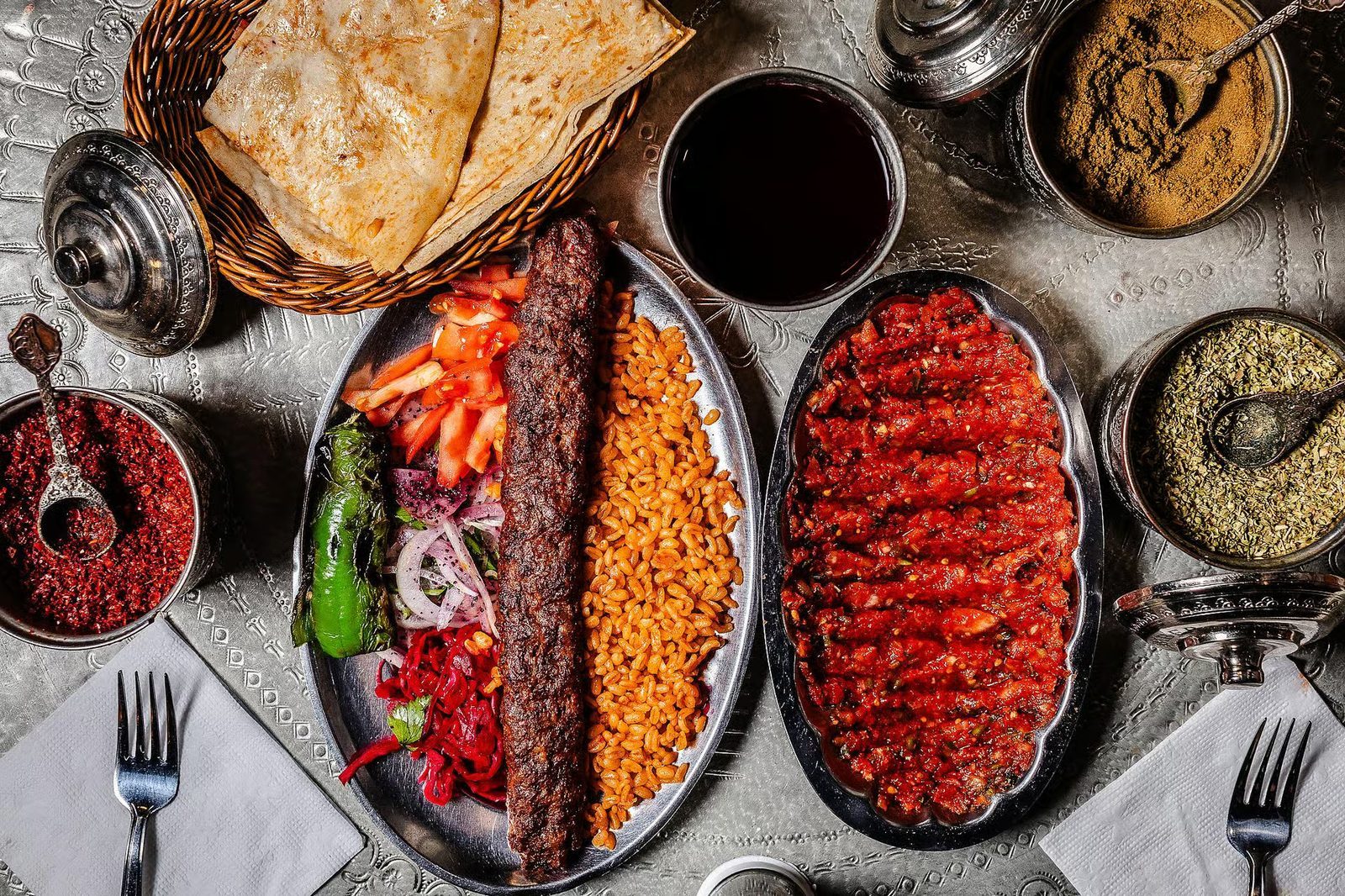
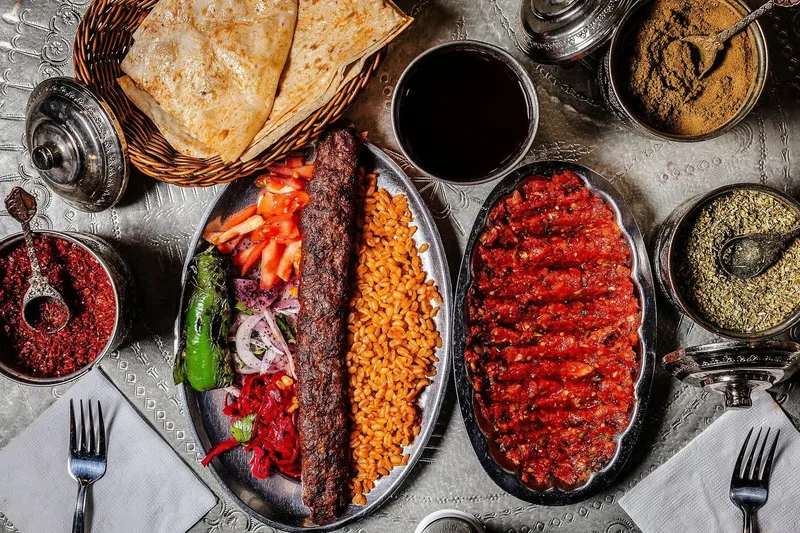
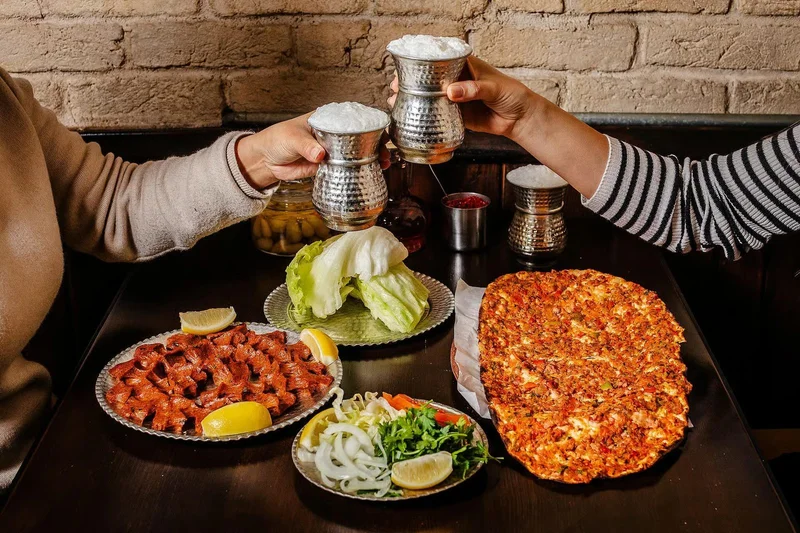
Menus change with the season and with the school, but a class usually covers one dish from each part of a Turkish meal. These are the dishes that appear most often:
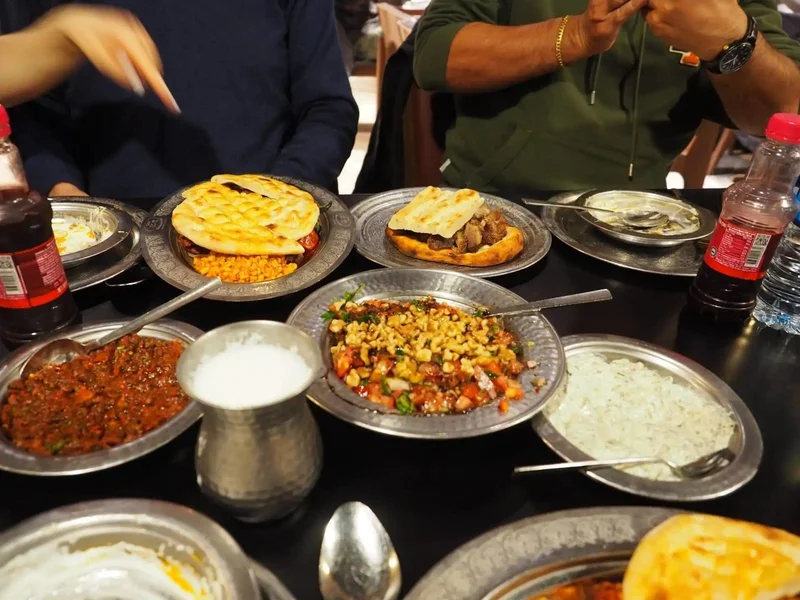
- Mezze. Stuffed vine leaves (yaprak sarma), either with rice, pine nuts and currants cooked in olive oil, or with minced meat and served with yoghurt. Also ezme, a spicy chopped tomato and pepper salad, and haydari, thick strained yoghurt with garlic and herbs.
- Soup. Red lentil soup (mercimek çorbası), the everyday soup of every Turkish home and lokanta, finished with butter and dried mint or chilli.
- Dough. Mantı, small meat dumplings served with garlic yoghurt and paprika butter, or pide, boat-shaped flatbread. Rolling dough is the hands-on highlight of many classes and the part people photograph most.
- Olive oil vegetables. Dishes cooked in olive oil and served cold, such as green beans or artichokes, which show the Aegean side of the cuisine.
- Main dish. Köfte (meatballs), a stew such as hünkar beğendi (lamb on smoked aubergine purée) in Ottoman-themed classes, or stuffed aubergines (karnıyarık and its meatless cousin imam bayıldı).
- Dessert. Şekerpare (syrupy semolina biscuits), sütlaç (rice pudding) or a simplified baklava. Making real baklava from scratch takes years of practice, so most classes use ready-made filo sheets.
Turkish coffee is often part of the end of the session. Its preparation in a cezve, a small long-handled pot, is part of a coffee culture that UNESCO added to its intangible heritage list in 2013.
If you are vegetarian, Turkish home cooking is easier than many visitors expect: a large part of the mezze and olive oil repertoire contains no meat. Say so when booking so that the school can adjust the menu. Our Istanbul vegetarian food tour page has more on meat-free eating in the city.
The market part: where cooks actually shop
The market walk is the part of the day that tells you most about how Istanbul eats, and you can do it with or without a class.
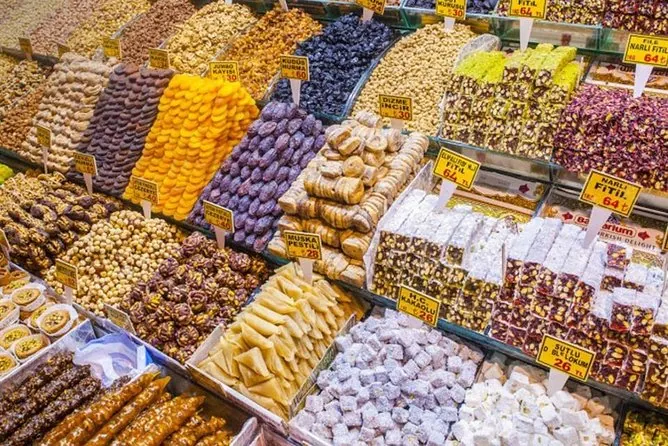
- Spice Bazaar, Eminönü. The Spice Bazaar is the classic first stop: spices, dried fruit, nuts, Turkish delight, herbal teas. The streets around it, especially towards the Rüstem Pasha Mosque, are where restaurant buyers pick up cheese, olives, cured meats and coffee. Our private shopping tour of the Grand Bazaar and Spice Market, from $90 per person, covers this area with a licensed guide.
- Kadıköy market streets. On the Asian side, the pedestrian streets of the Kadıköy market are full of fishmongers, greengrocers, pickle shops, olive and cheese sellers and delis. It is where many home-kitchen classes start. Read more on our things to do in Kadıköy and Kadıköy and Moda pages.
- Weekly neighbourhood markets. Istanbul's street markets, called pazar, set up on fixed days. The best known is the Wednesday market in Fatih, one of the largest in the city. These are working markets for residents, not tourist sights, and they are good for seeing seasonal produce.
What you see depends on the season. Spring brings artichokes, broad beans and green almonds; summer brings tomatoes, peppers, aubergines and figs; autumn brings quince, pomegranates and chestnuts; winter is the season for citrus, leeks and Black Sea anchovies.
School, home kitchen or market tour: how to choose
| Option | Best for | Atmosphere | Things to check |
|---|---|---|---|
| Cooking school in the Old City | First-timers staying in Sultanahmet | Professional kitchen, set menu, small group | Menu of the day, group size, whether the market visit is included |
| Home kitchen class | Travellers who want to meet a local family | Relaxed, family-style table, often on the Asian side | Exact address, how to get there, dietary needs |
| Market walk plus class | Food lovers with a free morning | Longest and most complete | Total time, where the class ends, transport between the two |
| Food tour without a class | People short on time or not keen to cook | Walking and tasting many dishes | Number of stops, whether it is private or small-group |
A few points matter more than the price. Group size: with more than ten people around one counter, you watch more than you cook. Menu: most schools set the menu a few days in advance, so ask what it will be on your date. Location: a class on the Asian side means a ferry ride, which is pleasant but adds time.
When to book and how to fit it into your trip
Morning classes that start with the market are the most common, and they fit well on a day when you have nothing else fixed. Afternoon classes work if you want to see a mosque or museum in the morning. Book a few days ahead, because group sizes are small, and earlier in spring and autumn, which are the busiest months for visitors.
Some practical notes:
- Sundays. The Grand Bazaar is closed on Sundays, while the Spice Bazaar usually stays open. If your market walk includes both, choose a weekday or Saturday.
- Do not combine with a big dinner. You will eat a full meal at the end of the class. Plan a light evening, or a walk across the Galata Bridge and Eminönü waterfront.
- Shopping for home. Spices, dried herbs, pomegranate molasses and Turkish coffee travel well and are what most people take home after a class. Check your own country's rules on bringing in cheese, meat and fresh produce, which are often restricted.
- Children. Many classes accept children who can work at a counter; rolling mantı or stuffing vine leaves suits them well. Ask about age limits first.
In a 3-day Istanbul itinerary, the best slot is usually the morning of day two or three, after you have seen the main monuments of the Old City.
A food day with a guide instead of a class
If you want the market, the tastings and the stories without standing at a stove, a guided food day is the simpler option. Our street food tour runs as a small-group walk through local neighbourhoods and markets with a guide who specialises in food. Along the way you taste street snacks, kebabs and regional dishes, a Turkish breakfast table, baklava and Turkish delight, and finish with tea and coffee. There is a day walk of about six hours and a shorter sunset walk.
If you prefer to go privately, a private Istanbul tour with a licensed guide, from $199 per group per day, can be built around the Spice Bazaar, the food streets of Eminönü and a ferry to the Kadıköy market. See our private Istanbul food tour page for how that kind of day works, and the food tours page for all options.
Tours that cover this
- Istanbul Street Food Tour: Local Neighbourhoods, Baklava and Coffee, from $90 per person. Small-group walk through markets and food stops.
- Private Istanbul Shopping Tour: Grand Bazaar and Spice Market Guide, from $90 per person. A private guide for the spice and food stalls.
- Private Istanbul Tour with a Licensed Guide: 1, 2 or 3 Days, from $199 per group. A day planned around food markets and neighbourhoods.
More ideas are on our experiences page and in the Istanbul destination guide.
Frequently Asked Questions
How long is a cooking class in Istanbul?
The cooking itself usually takes two to three hours, followed by about an hour at the table eating what you made. Classes that begin with a market walk run longer, typically four to six hours in total. Morning classes with a market visit are the most common format. Check the start and end points, especially if the class ends on the Asian side.
What do you cook in a Turkish cooking class?
Most classes cover four to six dishes from different parts of the meal: a mezze such as stuffed vine leaves or ezme, a soup such as red lentil, a dough dish such as mantı or pide, a main dish such as köfte or stuffed aubergine, and a dessert such as şekerpare or rice pudding. Menus change with the season and are usually set a few days ahead.
Do I need any cooking experience?
No. Classes are designed for beginners, and the cook leads every step, from chopping to rolling dough. Experienced home cooks still learn techniques that are hard to pick up from recipes, such as how thin to roll mantı dough or how tightly to wrap vine leaves. Everyone works at the same pace, and you eat the results together.
Are there vegetarian cooking classes in Istanbul?
Yes. Turkish home cooking has a large meat-free repertoire, especially mezze and vegetables cooked in olive oil, so most schools can adapt their menu. Tell them when you book, not on the day, because ingredients are bought in advance. Vegan cooking is also possible but needs more notice, since butter and yoghurt appear in many dishes.
Is the market visit worth adding?
Yes, if you have the time. The market shows you the ingredients in their own setting, from fresh herbs and seasonal vegetables to spices, cheeses and olives, and you taste as you go. It also helps you shop for things to take home. If time is short, a class without a market still teaches the cooking, and you can see the Spice Bazaar on another day.
Can I do a cooking class with children?
Usually yes. Many schools and home cooks welcome children who can stand and work at a counter, and tasks such as stuffing vine leaves, shaping köfte or rolling dough suit them well. Ask about minimum ages and whether children pay a reduced price before booking. A private class is easier to adapt to younger children's pace.
What should I buy at the Spice Bazaar after a class?
Buy what you will actually use: sumac, pul biber chilli flakes, dried mint, Turkish coffee and pomegranate molasses are the most useful for the dishes you will have learned. Buy spices whole or freshly ground in small amounts, and ask for vacuum packing for the flight. Check your home country's rules before packing cheese, meat or fresh produce.
Do you offer a cooking class?
We do not run a cooking school or list a fixed cooking class. What we offer is the food side of the city: a small-group street food tour through local markets from $90 per person, a private shopping tour of the Grand Bazaar and Spice Market, and private guided days from $199 per group that can focus on food markets and neighbourhoods.
Sources: UNESCO Intangible Cultural Heritage list (Turkish coffee culture and tradition, 2013), Republic of Türkiye Ministry of Culture and Tourism (goturkiye.com), Get Turkey Tours food tour team — checked 6 November 2026.
جولات خاصة في إسطنبول
جولة الطعام في شوارع إسطنبول: أحياء محلية وبقلاوة وقهوة
تجوّل في أحياء إسطنبول الحقيقية وأسواقها مع مرشد محلي للطعام، مع تذوق الطعام في الشارع والبقلاوة والشاي التركي والقهوة على الطريق.
جولة تسوق خاصة في إسطنبول: دليل البازار الكبير وسوق التوابل
جولة تسوق خاصة عبر سوق التوابل والبازار الكبير، بقيادة مرشد محلي يعرف التجار الأمناء والأسعار العادلة.
مرشدات ذات صلة
- عرض الليل التركي في إسطنبول: الرقصات والعشاء وكيفية الاختيار
- عيد الحب 2027 في إسطنبول: يخت أو عشاء على متن سفينة أو طلب الزواج
- قشور الأسنان في تركيا 2027: مدة الرحلة وأفضل الأسابيع وما يجب السؤال عنه
- الفينير في تركيا: ما الذي تسأل عنه العيادة قبل تخطيط الرحلة
- لماذا تكون زراعة الشعر أرخص في تركيا؟ ما الذي يشمله السعر
- رحلات شتوية من إسطنبول للمسافرين الروس: الثلج والجزر
- رحلة بحرية من أثينا إلى إسطنبول 2027: ما يجب حجزه للجزء الإسطنبولي
- مقارنة أفضل جولات إسطنبول: السعر والمدة ولمن تناسب كل منها
- جولة في المسجد الأزرق: أوقات الصلاة وقواعد اللباس وآيا صوفيا بجواره
- رحلة بالقارب على البوسفور للبرازيليين: الأسعار بالريال وكيفية الاختيار
- سباق السباحة عبر البوسفور 2027: التاريخ والتسجيل وأسبوع السباق
- رحلة بحرية على البوسفور اليوم: مواعيد العبارات والأرصفة وأسعار التذاكر