

 Istanbul
Hagia Irene (Aya Irini)
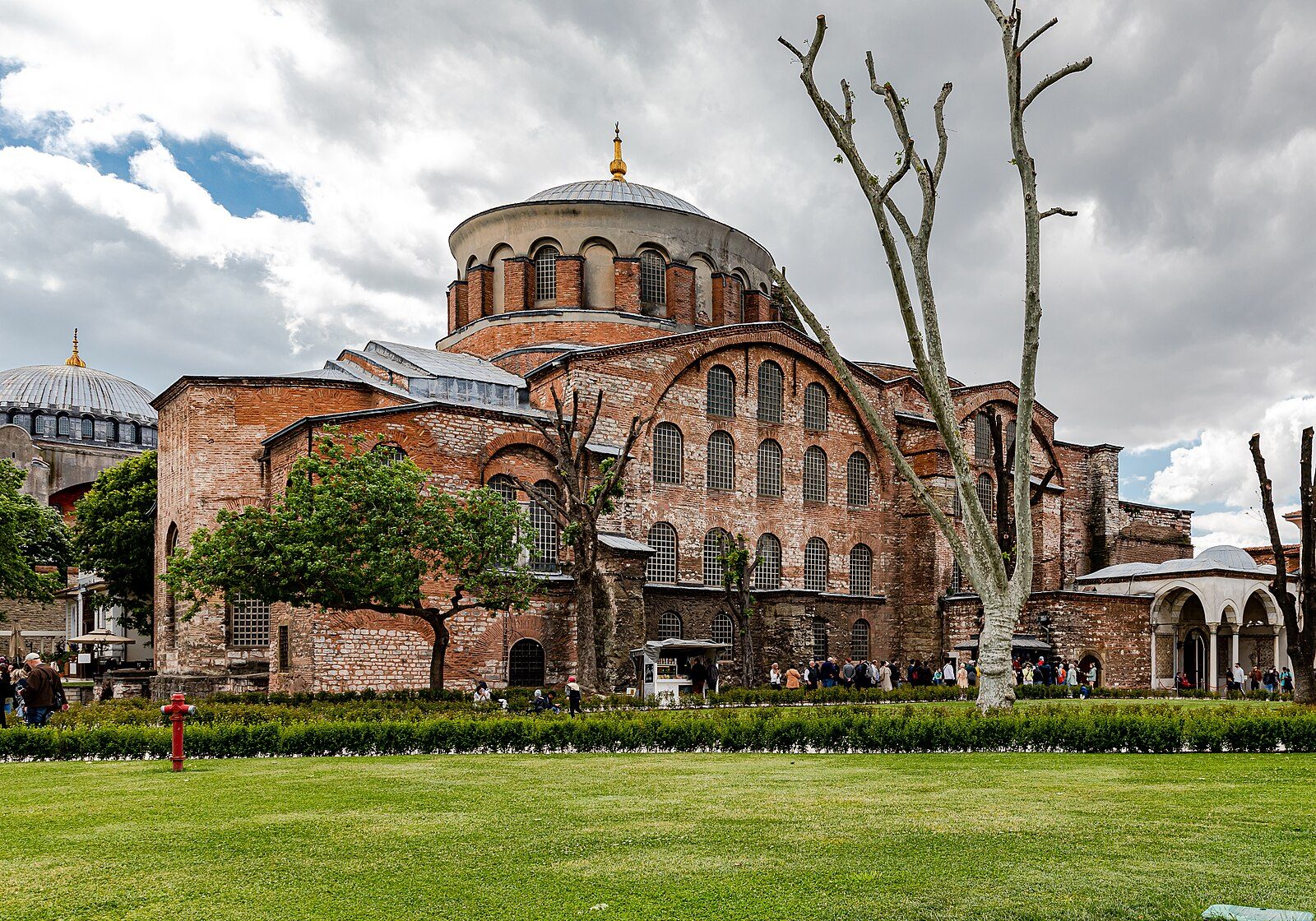
Inside the first courtyard of Topkapi Palace stands Hagia Irene, a Byzantine church rebuilt by Justinian in the 6th century that never became a mosque. In 2026 foreign visitors pay 1,050 TL for it alone, or enter with the Topkapi combined ticket.
Tours that visit Hagia Irene
Topkapi Palace Small-Group Tour: Ticket, Hagia Irene, Grand Bazaar
A licensed guide leads a small group around the Old City in the afternoon, covering Topkapi Palace with entry paid, the Hagia Irene Museum and free time at the Grand Bazaar.
Istanbul Old City Tour: Small-Group Full Day with Tickets & Lunch
A small-group day in Istanbul: Hagia Sophia, Blue Mosque and Hippodrome in the morning, then Topkapi Palace, Hagia Irene and time at the Grand Bazaar.
Sultanahmet has a second Byzantine church besides Hagia Sophia, and Hagia Irene is unusual in one respect: it was never made into a mosque. The Ottomans turned it into an arsenal, so the structure kept much of its first form, including a big, simple cross in the apse dating from the period when images were forbidden. The church sits in the first courtyard of Topkapi Palace and is run as part of the palace museum.
Key facts
| Item | Details |
|---|---|
| Opening hours | Tickets sold 09:00-17:00 |
| Closed | Tuesdays (like Topkapi Palace), New Year's Day and the first day of Ramadan Bayram |
| Ticket | Foreign visitors pay 1,050 TL for a single ticket, or it is part of the 2,750 TL Topkapi combined ticket (as of October 2026) |
| Museum Pass | Not accepted at Hagia Irene |
| Time needed | 30-45 minutes |
| Location | Topkapi Palace, first courtyard, Sultanahmet |
History
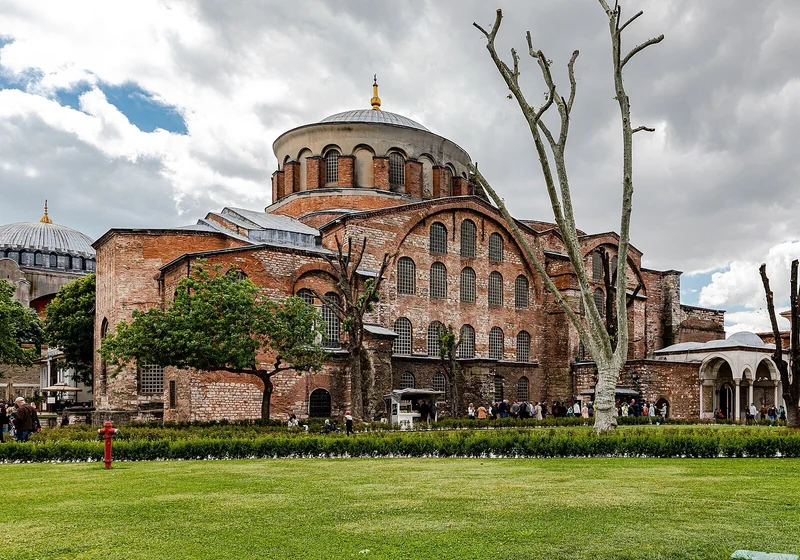
From the 4th century a church dedicated to Holy Peace, which is what Irene means, stood on this spot, and it was the cathedral of Constantinople until Hagia Sophia was finished. The Second Ecumenical Council met here in 381 and shaped the Nicene Creed that most churches still use.
During the Nika revolt of 532 the church was burned, and Justinian had it rebuilt. Further damage came from a powerful earthquake in 740, and the repairs that followed produced much of today's building. That work fell in the Iconoclast period, when religious images were banned, which is why the apse shows a plain black cross on a gold background rather than a figure of Christ or the Virgin.
After 1453 the church found itself within the palace walls. The Ottomans kept weapons inside, and in the 19th century old arms and antiquities went on display here, forming one of Istanbul's earliest museum collections. It is a museum today, and because of its acoustics it sometimes hosts concerts.
Highlights
- The cross in the apse. A large 8th-century cross and one of the rare pieces of Iconoclast art to survive.
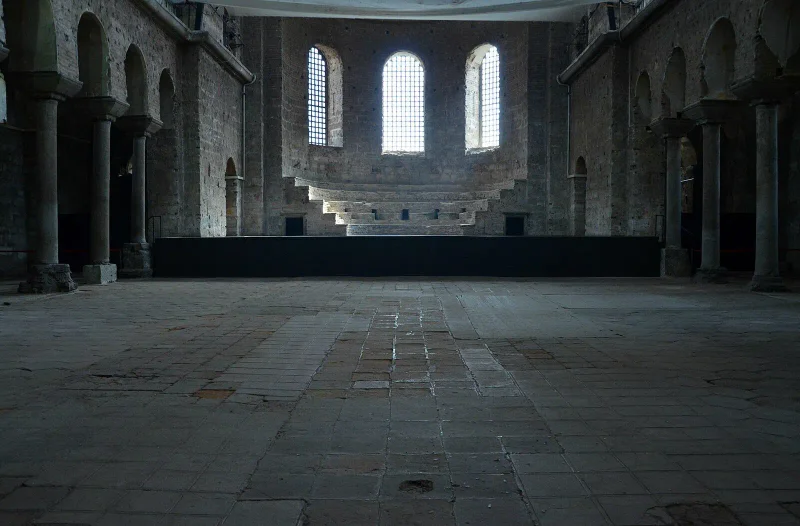
- The synthronon. Stepped stone benches for the clergy that curve round the apse, an uncommon survival in Istanbul.
- Dome and brickwork. With no later decoration, the bare walls clearly show how the Byzantines built in brick and stone.
- The atrium. A west-end courtyard holding column capitals and sarcophagi.
When to go
Arrive at the 09:00 opening, before groups come over from Topkapi. The late afternoon is quiet too. It is closed on Tuesdays. Most people see Hagia Irene during the same visit as Topkapi Palace, and if you want the Harem as well, the combined ticket works out cheaper.
Our small-group Istanbul Full-Day Old City Tour, Tickets & Lunch takes in Hagia Sophia, the Blue Mosque, Topkapi Palace and Hagia Irene over eight hours, from US$220. The Topkapi, Hagia Irene & Grand Bazaar Group Tour is shorter at six hours and includes the palace ticket, from US$170. If you prefer a private guide, the Istanbul Private Full-Day City Tour, from US$180, also includes Hagia Irene.
Hagia Irene vs Hagia Sophia
These are two very different visits. Hagia Sophia is an active mosque with an enormous dome, Ottoman additions and Byzantine mosaics up in the gallery; it is busy and pauses for prayer times. Hagia Irene is a bare, silent shell, with no furnishings and no decoration except the cross in the apse. Its appeal is the Byzantine architecture itself: the brick arches, the proportions and the acoustics of the room. Plenty of visitors overwhelmed by Hagia Sophia like Hagia Irene better. With time for only one, pick Hagia Sophia; with half an hour to spare at Topkapi, add Hagia Irene.
Tips
- After you go through the Imperial Gate of Topkapi, the entrance is on the right.
- Photos without flash are usually fine.
- Signs inside are few, so a guide or an audio guide makes a big difference.
- Our Topkapi Palace page covers the rest of the palace.
- On evenings with a concert, the building may shut earlier in the day for rehearsals and preparation.
FAQ
What does a Hagia Irene ticket cost?
As of October 2026, foreign visitors pay 1,050 TL for a separate ticket. Hagia Irene is also part of the 2,750 TL Topkapi Palace combined ticket, valid for the palace, the Harem and Hagia Irene.
Can I visit Hagia Irene on a Tuesday?
No. Hagia Irene closes on Tuesdays, the same as Topkapi Palace.
Does the Museum Pass Istanbul cover Hagia Irene?
No. Hagia Irene appears on the National Palaces administration's list of sections that do not accept the Museum Pass.
Why is there a cross in the apse rather than a mosaic figure?
The apse was decorated following the 740 earthquake, in the Iconoclast period, when images of religious figures were forbidden.
Did Hagia Irene ever serve as a mosque?
No. Unlike Hagia Sophia, it served the Ottomans as an arsenal and storehouse, and it later became a museum.
More places to see in Istanbul
- Balat and Fener (Fener and Balat)
- Basilica Cistern (Yerebatan)
- Beylerbeyi Palace
- Blue Mosque (Sultanahmet Mosque)
- Bosphorus Strait (Bosphorus Cruise)
- Camlica Hill and Camlica Mosque
- Chora Church (Kariye Mosque)
- Dolmabahce Palace
- Emirgan Park
- Fatih Mosque
- Fener Greek Orthodox Patriarchate (Aya Yorgi)
- Galata Bridge and Eminonu
- Galata Tower
- Grand Bazaar (Kapalıçarşı)
- Hagia Sophia (Ayasofya)
- Hippodrome of Constantinople (Hippodrome Square)
- Istanbul Archaeology Museums
- Istanbul Modern
- Istiklal Avenue and Taksim (Istiklal Street)
- Kadikoy and Moda
- Little Hagia Sophia (Kucuk Ayasofya)
- Maiden's Tower (Kız Kulesi)
- Miniaturk
- Nuruosmaniye Mosque
- Ortakoy Mosque (Buyuk Mecidiye Mosque)
- Pera Museum
- Pierre Loti Hill and Eyup Sultan Mosque
- Princes' Islands (Adalar)
- Rumeli Fortress (Rumelihisarı)
- Rustem Pasha Mosque
- Spice Bazaar (Egyptian Bazaar)
- Suleymaniye Mosque
- Sultanahmet Square
- Topkapi Palace
- Turkish-Islamic Arts Museum (Ibrahim Pasha Palace)
- Yildiz Palace and Yildiz Park