

 Istanbul
Turkish-Islamic Arts Museum (Ibrahim Pasha Palace)
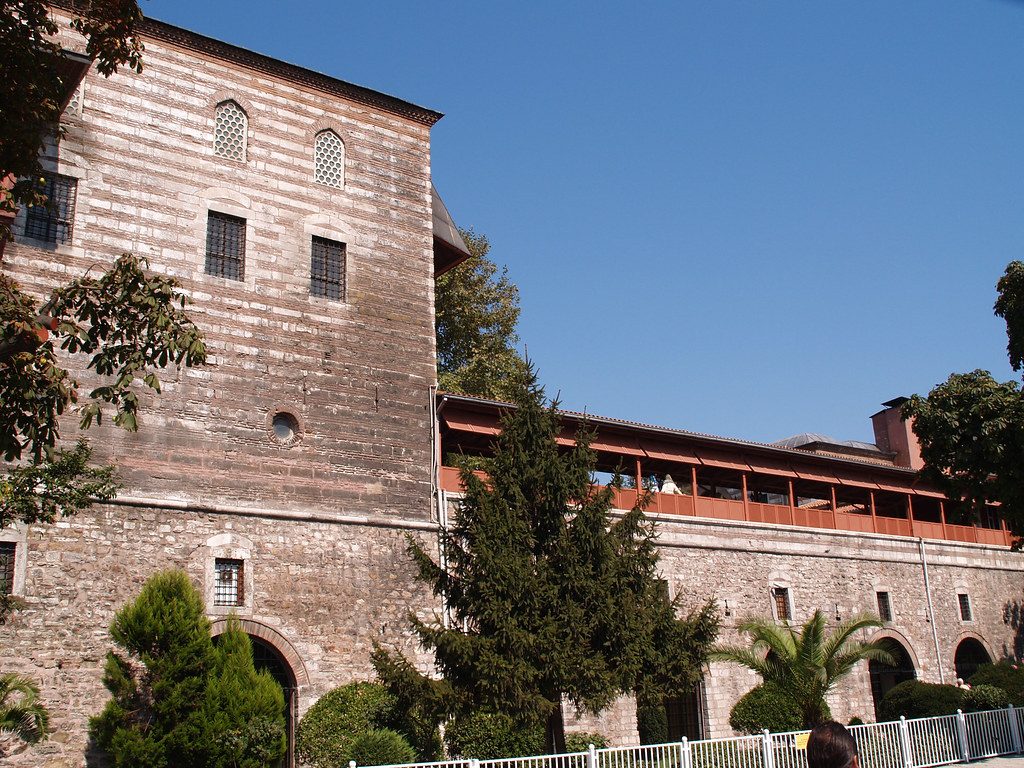
The Museum of Turkish and Islamic Arts occupies Ibrahim Pasha Palace, which faces the Sultanahmet Hippodrome, and its early Turkish carpets rank among the best anywhere. In 2026 a ticket costs €17 for foreign visitors, and it welcomes guests every day between 09:00 and 18:30.
Facing the Blue Mosque from the other side of the Hippodrome stands a long stone palace that most people pass without a second look. Inside is one of Istanbul's best museums. The Museum of Turkish and Islamic Arts keeps carpets that art historians come from abroad to study, together with manuscripts, woodwork, metalwork and a hall on nomadic life. In 2026 foreign visitors pay €17. Crowds are rare here, even on days when the Blue Mosque line runs across the square.
Quick facts
| Item | Details |
|---|---|
| Opening hours | 09:00-18:30; the ticket desk shuts at 17:30 (October 2026, muze.gov.tr) |
| Closed | No closing day |
| Ticket for foreign visitors | €17, and the Museum Pass Istanbul is accepted (October 2026) |
| Time needed | 1.5-2 hours |
| Location | At Meydani Sokak, west side of the Hippodrome, Sultanahmet; T1 tram to Sultanahmet stop |
| Dress code | No rules |
History in brief
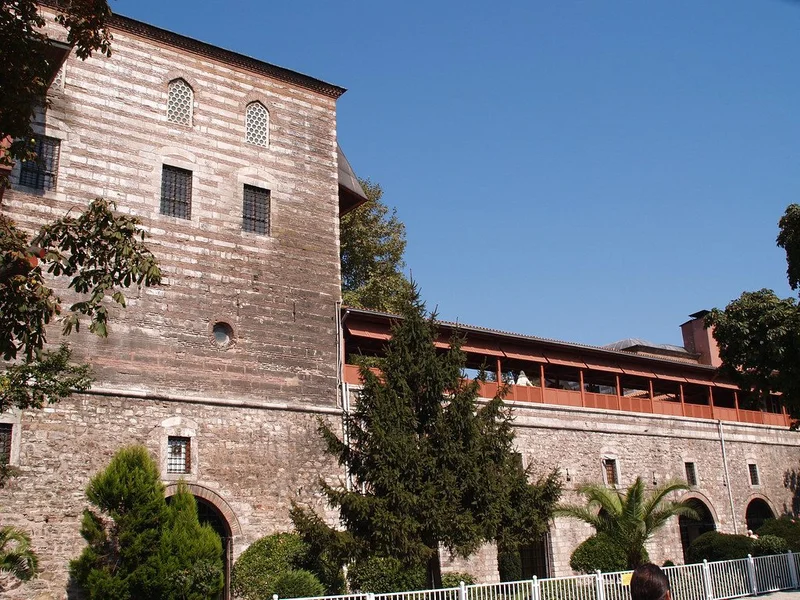
Ibrahim Pasha grew up alongside Suleiman the Magnificent and rose to be his grand vizier; this was his palace. Built in the 1520s around a broad courtyard that looks onto the Hippodrome, it ranked among the most splendid private residences in the city. His fall was abrupt. The sultan had him executed in 1536, and the state took over the palace. In later centuries the building was used as barracks, as offices and even as a prison, and sections of it disappeared.
The museum dates from 1914, when it opened in the soup kitchen of the Suleymaniye complex as one of the earliest museums of Islamic art in the Ottoman world. The collection came to the palace in 1983, after a lengthy restoration.
Highlights
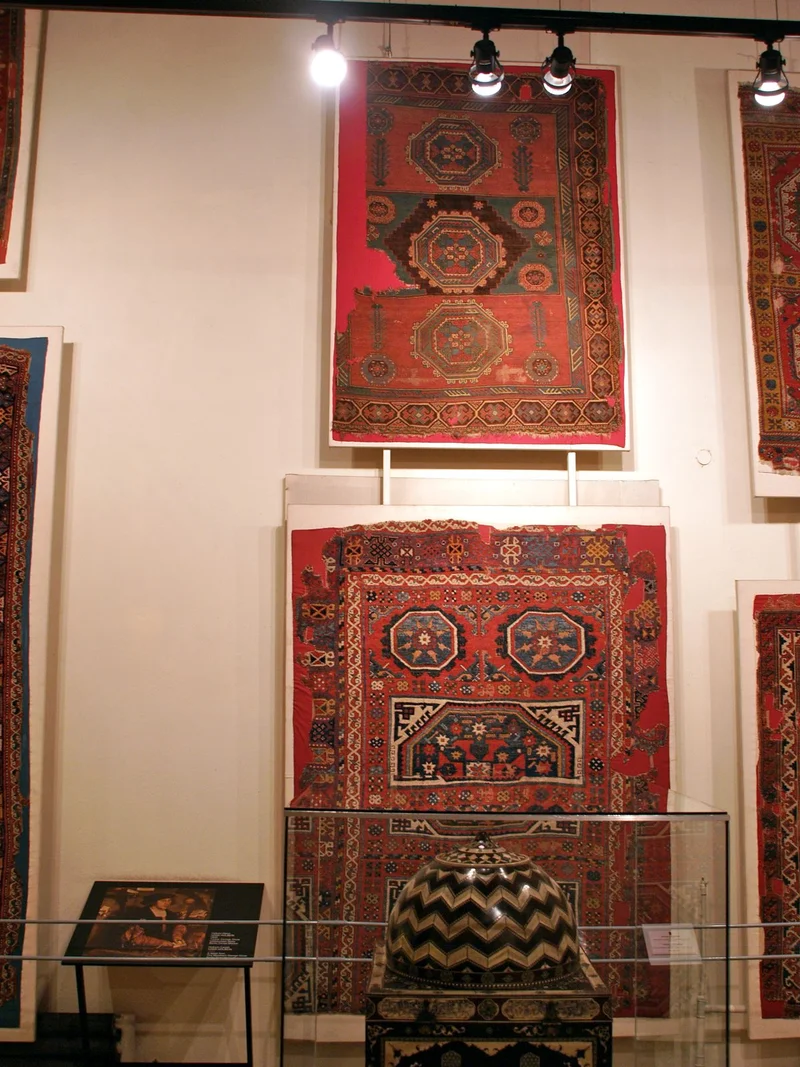
- Carpets. The main reason to come. Among them are 13th-century Seljuk carpets, some of the oldest Turkish carpets still in existence, and examples of the designs that Holbein and Lotto later made famous in their paintings. Huge Ottoman carpets from palaces and mosques hang in the great hall, where the vizier once received guests.
- Calligraphy and manuscripts. Qurans from all over the Islamic world, several centuries old, decorated with gold illumination and bound with great skill.
- Woodwork, stonework, metalwork. Seljuk and Ottoman carved doors, lecterns, candlesticks and ceramics.
- Ethnography. Downstairs you find a black nomad tent of goat hair, the inside of a village house and displays on weaving and dyeing that explain how carpets were produced.
- Courtyard café. A calm terrace looking over the Hippodrome towards the minarets of the Blue Mosque.
Reading a Turkish carpet
Some simple pointers help in the carpet rooms. Check the weave first: early village pieces have fewer, bigger knots and strong geometric forms, while carpets made for the court use fine knots and flowing floral patterns. Look at the borders, where the oldest motifs often survive. Pay attention to colour. The main natural dyes were madder for red, indigo for blue and weld for yellow, and slightly uneven shades point to age. A prayer rug has a niche at one end, which faces Mecca when the rug is laid down.
When to go
Any hour works, as this is among the calmest museums in Sultanahmet. A good plan is late morning, while the lines at Hagia Sophia and the Blue Mosque are at their longest, or late afternoon, when soft light falls in the carpet hall. Give it one and a half to two hours.
Our tours do not go inside the museum, but several of them stop at the Hippodrome just outside. The Private Istanbul Heritage Tour: Ottoman & Byzantine Highlights is a private day at the main Old City sights from US$200, and your private guide can include the museum if you ask. Both the Istanbul Full-Day Old City Tour, Tickets & Lunch and the Hagia Sophia, Blue Mosque & Grand Bazaar Group Tour begin at the Hippodrome.
Practical tips
- Take the audio guide. Labels are short, and the carpets mean far more with some context.
- Most rooms allow photos as long as you do not use flash.
- Come here before the Grand Bazaar to learn about carpets; afterwards you will recognise the designs and judge quality better.
- Some staircases are steep. If your mobility is limited, ask the staff about access.
Our Istanbul destination page lists more sights around the Hippodrome.
Frequently Asked Questions
What does a ticket to the Turkish and Islamic Arts Museum cost?
Foreign visitors pay €17 as of October 2026, charged in Turkish lira at that day's exchange rate. The Museum Pass Istanbul is accepted.
When is the Turkish and Islamic Arts Museum open?
Daily from 09:00 to 18:30. The ticket desk shuts at 17:30.
Is the museum worth a visit?
Yes, especially if carpets, calligraphy or Ottoman history interest you. It is also far calmer than the major sights nearby.
Where is the Museum of Turkish and Islamic Arts located?
In Sultanahmet, on the west side of the Hippodrome opposite the Blue Mosque, inside Ibrahim Pasha's 16th-century palace.
How much time should I allow?
One and a half to two hours lets you see the carpets, manuscripts and ethnography section at an easy pace.
More places to see in Istanbul
- Balat and Fener (Fener and Balat)
- Basilica Cistern (Yerebatan)
- Beylerbeyi Palace
- Blue Mosque (Sultanahmet Mosque)
- Bosphorus Strait (Bosphorus Cruise)
- Camlica Hill and Camlica Mosque
- Chora Church (Kariye Mosque)
- Dolmabahce Palace
- Emirgan Park
- Fatih Mosque
- Fener Greek Orthodox Patriarchate (Aya Yorgi)
- Galata Bridge and Eminonu
- Galata Tower
- Grand Bazaar (Kapalıçarşı)
- Hagia Irene (Aya Irini)
- Hagia Sophia (Ayasofya)
- Hippodrome of Constantinople (Hippodrome Square)
- Istanbul Archaeology Museums
- Istanbul Modern
- Istiklal Avenue and Taksim (Istiklal Street)
- Kadikoy and Moda
- Little Hagia Sophia (Kucuk Ayasofya)
- Maiden's Tower (Kız Kulesi)
- Miniaturk
- Nuruosmaniye Mosque
- Ortakoy Mosque (Buyuk Mecidiye Mosque)
- Pera Museum
- Pierre Loti Hill and Eyup Sultan Mosque
- Princes' Islands (Adalar)
- Rumeli Fortress (Rumelihisarı)
- Rustem Pasha Mosque
- Spice Bazaar (Egyptian Bazaar)
- Suleymaniye Mosque
- Sultanahmet Square
- Topkapi Palace
- Yildiz Palace and Yildiz Park